
Whether you are a resident or a cross-border worker, here is a comprehensive overview of what will change in the months ahead.
✅ An indexation is expected in 2026. According to the National Institute of Statistics and Economic Studies (STATEC), following the indexation in May 2025, the next one is scheduled for the third quarter of 2026. If inflation forecasts are confirmed, wages, salaries, and pensions will rise by 2.5% during the summer.
✅ The CO₂ tax will increase again. As every year since its introduction in 2021, the tax will rise by €5, bringing it to €45 per tonne from 1 January. This will result in higher fuel prices in particular, with our colleagues at RTL Infos estimating an additional cost of around 1.5 cents per litre of diesel or petrol.

✅ The State's energy price shield will come to an end. However, the continued coverage of network costs by the State, combined with an overall reduction in tariffs from energy suppliers such as Enovos and SUDenergie, will lead to lower electricity prices in 2026. An average household is expected to save around €110 over the year.
✅ A new financial aid scheme for elderly people is planned. From 2026, the government intends to introduce support for people who are retired or aged at least 65. The aid will be degressive depending on income.
✅ A €3 tax will be introduced on small parcels. EU member states have agreed on a €3 surcharge for each small parcel imported into the Union. The tax will come into force on 1 July 2026.
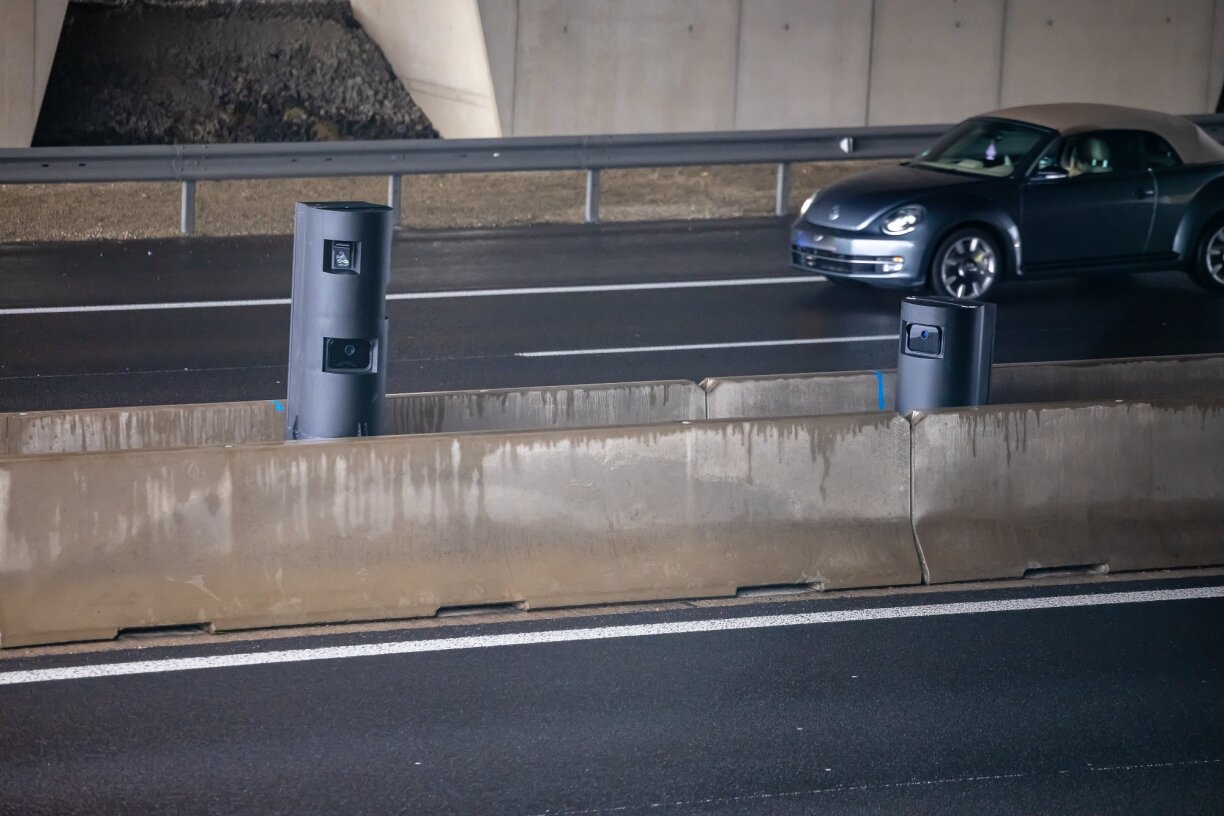
✅ Carpooling radars have been installed on the A3 motorway to ensure that the third lane is used only by public transport and carpooling vehicles. Two so-called carpooling radars have been in a testing phase since 1 December and are expected to begin issuing fines shortly. Drivers travelling alone in the left-hand lane will be sanctioned.
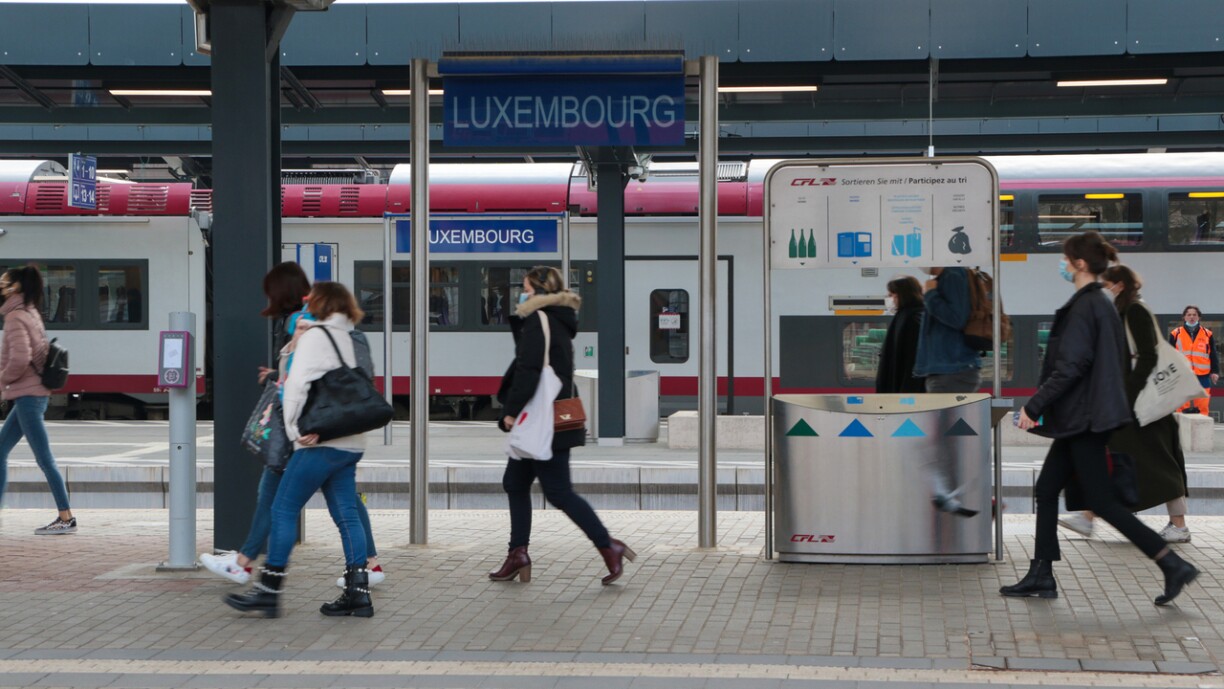
✅ Further works are planned on the Bettembourg–Luxembourg City railway line. The closures in summer and autumn 2025 marked further progress towards commissioning the line, scheduled for September 2027. Additional works in 2026 will again interrupt rail traffic between the two cities, affecting passengers travelling from Thionville and Metz, as well as from Esch-sur-Alzette.
Train services will be replaced by buses during the following periods:
✅ Train subscription prices will increase for French cross-border workers. From 1 January 2026, SNCF subscriptions will rise by 5%, resulting in the following prices:
✅ Work continues on a new tram line in Kirchberg. Launched in 2025, construction of the K2A line, which will serve among others the European Investment Bank and the European School on Boulevard Adenauer, will continue throughout 2026. The line is scheduled to enter service at the start of the 2027 school year.
✅ Works at the Pontpierre interchange on the A4 are due to be completed. The redevelopment project, launched in 2024, is scheduled to finish around mid-2026, according to the National Roads Administration.
✅ Works on the road used by Belgian cross-border workers are also nearing completion. If the timetable is respected, restoration of the bridge spanning the railway tracks between the Mamer and Capellen interchange and the Capellen service area will be completed in May 2026.
✅ The A31bis project has reached an important administrative milestone: A public inquiry is required to obtain a declaration of public interest, allowing land mobilisation and the launch of construction preparations for the tunnel under Florange. In any case, works are not expected to begin before 2029.
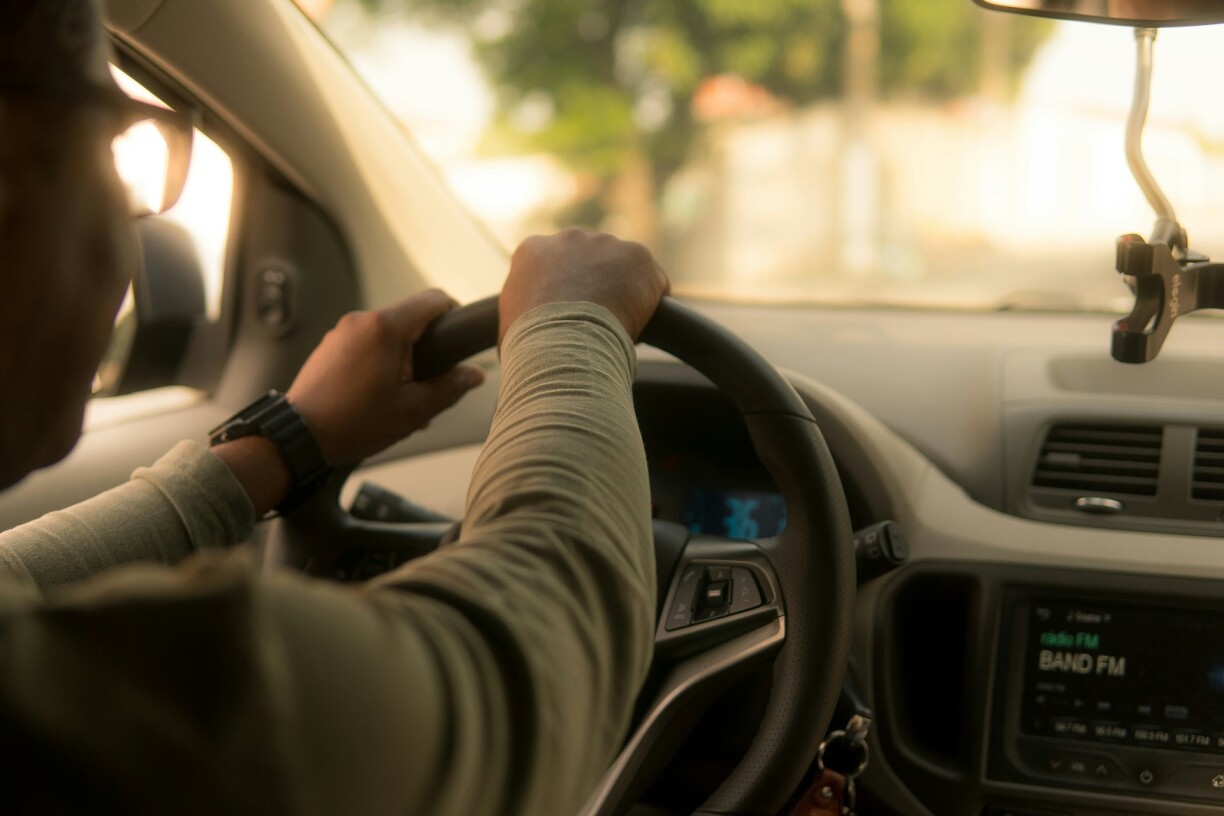
✅ Motorists will be able to present their car insurance digitally. From 1 January 2026, a digital version of the green card may be shown, in addition to the traditional paper version. This will apply to drivers from Luxembourg as well as those from abroad.
✅ Works on the Beauregard viaduct on the A31 are expected to finish after the summer. Started two years ago, the project currently requires drivers to limit their speed to 70 km/h on this section of the motorway.
✅ 2026 will be the last year to benefit from the integrated housing grant at its current level. The grant for creating an integrated housing unit will remain at €20,000 throughout 2026. This temporary measure, in place since 2023, will end thereafter, with the amount reduced to €10,000 in 2027.
✅ A major pension reform will come into force from 1 January 2026. The legal contribution period required to retire in Luxembourg will be extended, with one additional month of work introduced from 1 July 2026. Pension insurance contributions will also increase from 8% to 8.5% from 1 January, reducing net salaries. At the same time, the tax allowance for investments in old-age provision, the third pillar of the pension system, will rise to €4,500 per year and per taxpayer.

✅ Sunday working hours will be extended for some employees. From 1 January, certain shops will be allowed to employ staff for up to eight hours on Sundays, compared with four hours previously.
✅ Shops will also be allowed to open later. Under a new law prepared by the government, many businesses will be able to open from 5am to 9pm on weekdays, and until 7pm on weekends. Butchers, bakeries, pastry shops, caterers, and consumption lounges will also be allowed to open on three public holidays: 1 May, 25 December, and 1 January. Other shops will remain prohibited from opening on those days unless a collective agreement is negotiated. The law will enter into force six months after its publication in the Official Journal, during the course of 2026.
✅ Compulsory schooling will be extended to the age of 18. From the start of the school year in September 2026, the obligation to attend school will increase from 16 to 18 years of age, a measure aimed at combating early school leaving.
✅ Luxembourg euro coins will change design. New coins bearing the effigy of Grand Duke Guillaume will be put into circulation during 2026.

✅ A new operational support group will be created within the police. The group will be established on 1 January and will be tasked with intervening in more delicate missions before the arrival of the special unit. Its members will be equipped with tasers.
✅ Passport stamps will be phased out for non-European citizens. From 10 April 2026, the European entry and exit system will fully come into force, replacing the manual passport stamp. Nationals from third countries travelling to Europe for short stays will be required to use the new system.
✅ Parents will be able to choose the language of literacy for their children. A new law will allow families to choose whether their child is taught reading and writing in French or German in primary school. Cycle 1.2 classes will be the first affected from September 2026, with other classes following progressively over the next four years.
✅ A single social portal will be created. The new platform will serve as the main access point for social benefits in Luxembourg, making it easier for eligible residents to identify and receive support.
✅ Members of the public will be able to invest in Luxembourg's defence. From 15 January, the State will open subscriptions for its Defence Bond, a government bond intended to finance defence projects. Subscriptions will range from €1,000 to €150,000 per person.
✅ French cross-border workers will gain access to dermatological care in Luxembourg. An agreement between the French and Luxembourg governments will allow them to be treated by dermatologists in Luxembourg while being reimbursed in France.
✅ Restrictions on single-use plastics will be tightened. From 1 January 2026, free distribution of plastic bags with handles will be banned in retail outlets. Single-use products such as plates, straws and cups will also be banned at public festivals and events. Certain sporting events may receive exemptions for beverage containers.

✅ The use of a single charger type will be extended. Following the obligation to use USB-C chargers for devices such as phones, headphones, and cameras since the end of December 2024, the requirement will be extended to laptops from 28 April 2026.
✅ Finally, sanctions will be introduced to enforce workers' right to disconnect. Two years after the adoption of the relevant law, the Labour Law will be amended to include penalties for employers who fail to respect this right. Article 312-10 will enter into force on 4 July 2026.





