Winter 2022/2023 in Luxembourg has thus far painted a very different picture to its two predecessors, as the stringent coronavirus measures, so prevalent at the height of the pandemic, now appear to be a thing of the past.
Does this mean the pandemic has finally come to an end? Could there be another wave following the end of China's zero-Covid policy? How much of a risk are new virus variants, and how will we live with the virus in future?
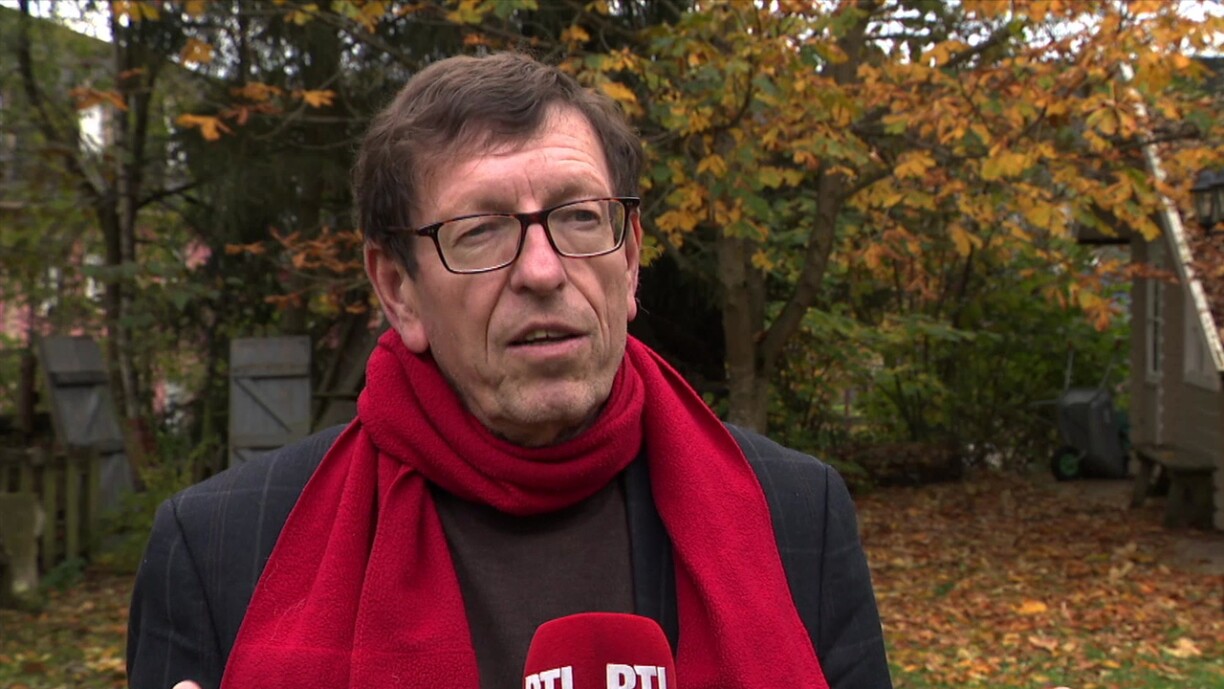
RTL's Sarah Cames addressed these questions to virologist Dr Claude Muller of the Luxembourg Institute of Health (LIH).
As it stands, Dr Muller believes the pandemic has come to an end, with just two or three people still in intensive care in the Grand Duchy. "I think it is important for everyone to understand that we are at the end of the pandemic, so responsibility now lies with individual citizens, rather than with the government."
The government no longer needed to provide constant intervention, the virologist clarified, meaning citizens should take responsibility for protecting themselves - for example, through vaccination.
Dr Muller does not foresee a new wave sweeping through Europe following the worsening situation in China, yet still cautions against complacency. It is feasible that new virus variants could develop and spread from China, he told RTL.
"For this reason, I support mandatory testing for travellers entering Europe from China. People who test positive should be consistently checked as a result." On Wednesday evening, EU member states agreed on a recommendation for mandatory testing on travellers from China.
From Monday onwards, Luxembourg will also implement stricter measure for travellers from China.
How have we come to a point where the virus is spreading through China again, three years after the pandemic was declared? Dr Muller explained: "The variants there are highly infectious and they are targeting a population which has not been exposed to the virus due to the zero-Covid strategy, so they have very little vaccine protection. It's possible that these variants might pass through the population quickly, ending the wave in a few months."
Until that point, however, many people are expected to become infected, increasing the risk of severe illness, meaning that the health system could quickly become overloaded.
Despite this, Dr Muller does not expect worse issues resulting from new variants in the future. The Omicron variant offered the virus an ecological "niche", allowing it to survive while permitting us to function alongside it.
"People who are only familiar with coronavirus believe that it is constantly mutating; however, that is not necessarily the case."
While new variants can be more infectious, this does not necessarily mean they are more virulent. The vaccine will continue to provide protection, said Dr Muller. Vaccine protection remains key, particularly how it transfers to new variants, meaning that researchers must keep sequencing and keeping variants in mind.
As for further development of the virus, Dr Muller recommends making the most of booster vaccinations where recommended in order to achieve maximum protection.
Adapted vaccines have the potential to protect against mild illness and infection in the next phase, while it is feasible we might one day see combination vaccines for other respiratory diseases, such as the flu.
Video report in Luxembourgish:





