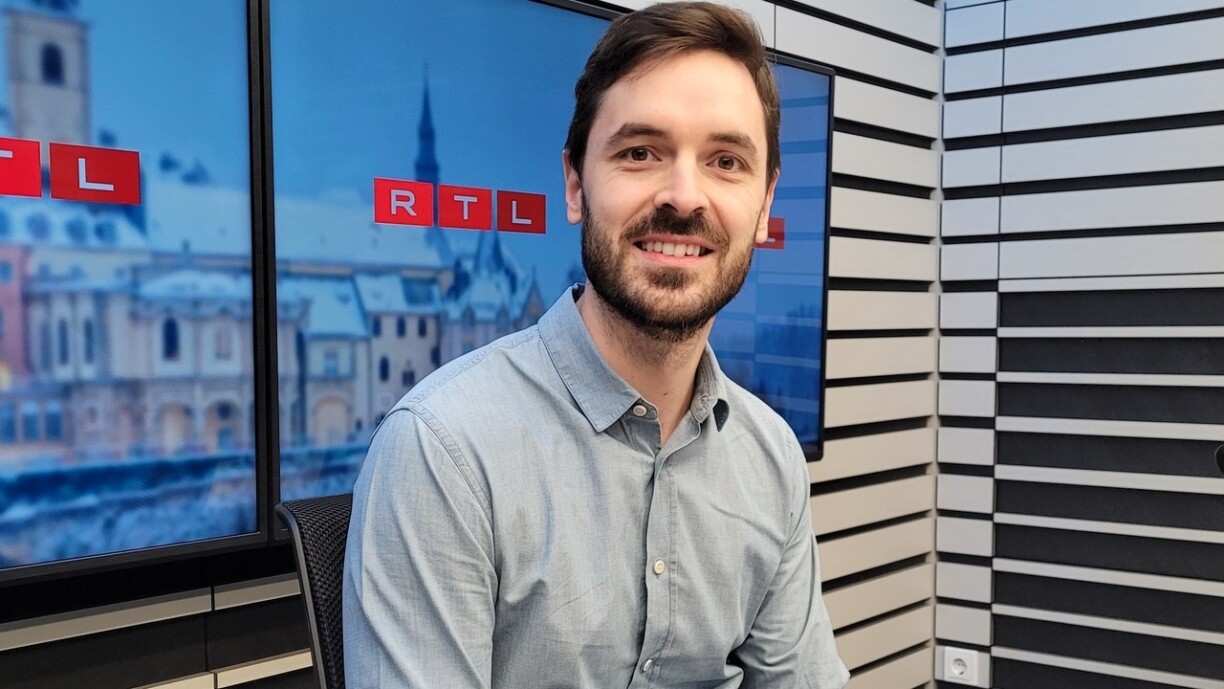
In an interview with our colleagues from RTL Radio on Tuesday, Dr Reuter highlighted the government's commitment to maintaining the principle of contract-based medicine as a key positive point. This, he believes, prevents the establishment of a two-tier system within the healthcare sector.
The doctor also commended the government's focus on digitalisation and the promotion of interconnectivity between hospitals. Emphasising the importance of bolstering the system's attractiveness, Dr Reuter welcomed efforts to support training and research. He endorsed the concept of establishing "centres of medical excellence," viewing it as a means to create national services with a consistent level of expertise. Dr Reuter suggested that not every hospital needs to provide all services, advocating for a more strategic distribution of specialised medicine.
However, Dr Reuter cautioned against potential pitfalls, specifically addressing outpatient care offered outside hospitals. He expressed that while this aspect does not inherently trouble the Association of Salaried Hospital Doctors, there is a concern about the possibility of unfair competition. The fear is that such competition might result in a localised shortage of doctors within hospitals. Dr Reuter outlined the potential risk of profit-driven practices in outpatient care centres, leaving hospitals to handle more complex and less profitable cases.
Highlighting the distinction, Dr Reuter noted that doctors in outpatient care centres often do not have to work in shifts or during nighttime hours, contributing to a potential disparity in the types of medical services offered between centres and hospitals.
Dr Reuter highlighted that hospitals play a crucial role in providing essential services that are not economically profitable. These services, which include certain national services offered, for instance, at the Paediatric Clinic, are of significant importance. Dr Reuter cited oncology as an example, noting that in some cases, only one or two specialists in the country handle specific sub-specialities, such as children's oncology. In the absence of these specialists, children may need to seek treatment abroad. Despite their vital public and national interest, Dr Reuter acknowledged that these services are unlikely to be profitable under existing funding models. He proposed exploring alternative funding mechanisms, such as special agreements with the National Health Fund (CNS), to ensure the continued provision of these essential services.
Looking toward the future, Dr Reuter expressed a desire for a more ambitious approach to research and medical education. While appreciating the government's commitment to research, he identified what he perceives as a "lack of ambition." Dr Reuter advocated for the establishment of a teaching hospital by 2045, emphasising its potential to enhance Luxembourg's attractiveness in terms of medical training. He believes that such an institution could draw medical students from abroad, contributing to the Grand Duchy's standing in the global medical community.





