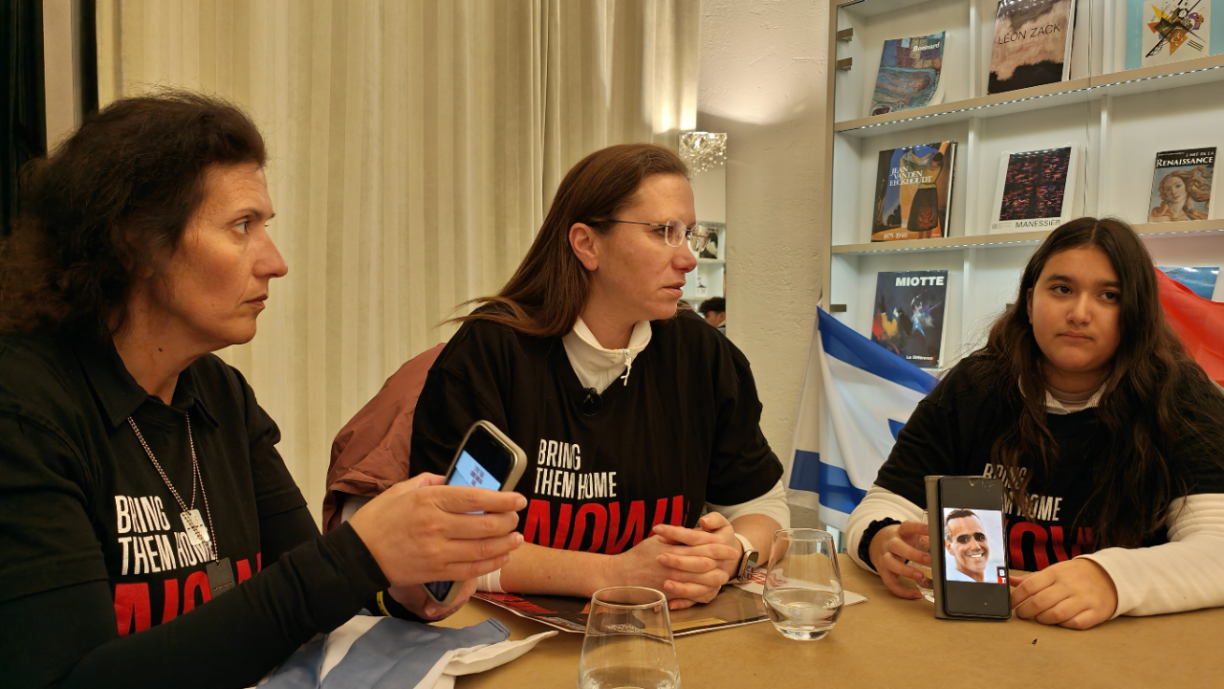
100 days after the events on 7 October, an Israeli family, who miraculously survived the Hamas attack, shared their testimony with our colleagues from RTL Télé.
Addi Cherry, a mother of three who endured the massacre at Kibbutz Nahal-Oz, emphasises the gravity of the incident, stating, "What happened on 7 October must not be forgotten. It must not be seen as a mundane, trivial incident."
On this day, the non-profit association Coopération Luxembourg-Israel organised a mobilisation event on Place d'Armes.
Cherry, who survived the massacre at Kibbutz Nahal-Oz, says: "Unfortunately, we are in the situation of having to explain ourselves amidst one of the most terrible things that has ever happened to us, to Israel, to Jews. We have to protect ourselves. We have to convince the world that it really happened."
She recounts the 11-hour struggle for survival with her husband and three children at the kibbutz, situated on the Gaza border. They held the door of the safe room shut with furniture and their bare hands.
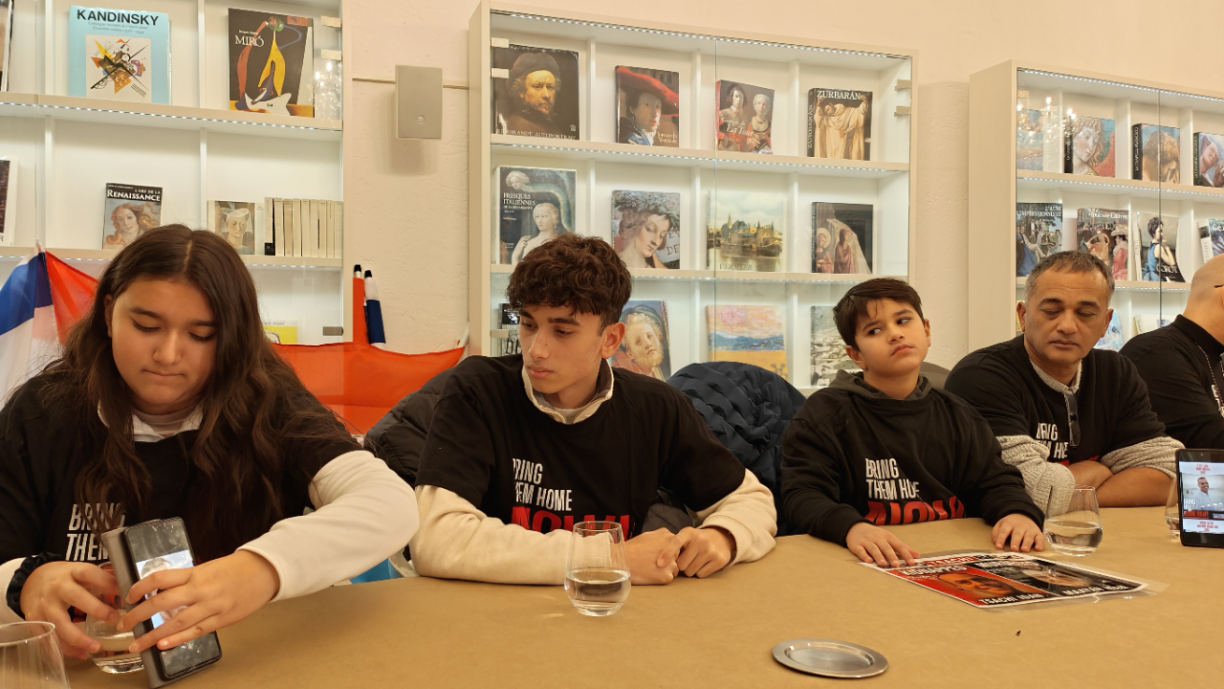
Describing the horrors they faced, she says, "Unfortunately, we lost 14 residents from the kibbutz – whole families. They were killed and some of [the killings] were broadcast live on Facebook. There were eight [residents who were] kidnapped."
Among the kidnapped residents were also children, friends of 9-year-old Yahav, 12-year-old Shani, and 15-year-old Guy. While they have since been released, two residents of Nahal-Oz, including Tsachi Idan, remain in the hands of the Hamas. Idan's mother made an appeal to free her son from Luxembourg in mid-November, but two months later, there is still no news.
Cherry expresses deep concern for the remaining hostages, stating, "We are very worried because they are locked up in inhumane conditions. Our voices are their voices. They can't speak. That's why we're here."
Cherry shares the remnants of her house through photos and videos. Having left Israel on 10 October, the family is only now contemplating the idea of returning home, even if they are still unsure where to go within Israel.
As the family reflects on the possibility of returning, uncertainties loom large. "We miss our friends, their families, and a certain sense of normality in our everyday lives. School, classes, all that... But with the presence of many terrorist organisations in Lebanon, the West Bank, and Gaza, I'm a little scared. But I believe it will be good [for us] to [go] back to Israel," says 15-year-old Guy Cherry, who, along with his father, defended himself against Hamas on 7 October.
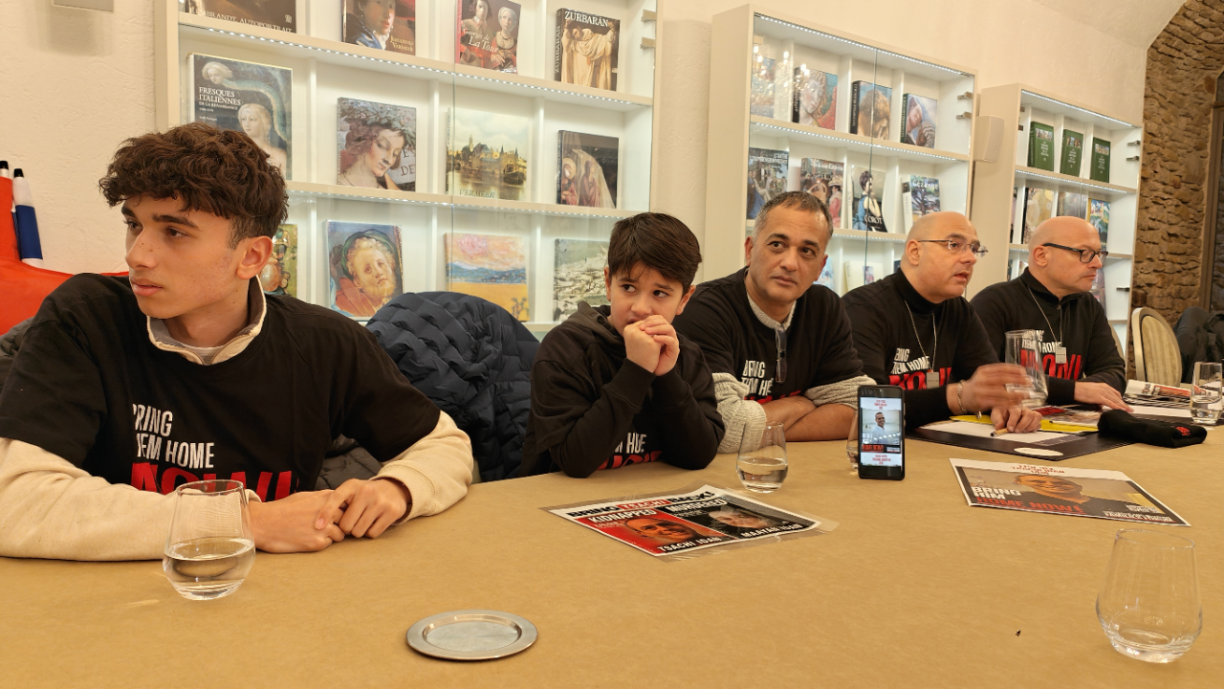
Reflecting on three months of war and the toll on both the Israeli and Gazan populations, Addi Cherry expresses profound sadness. She says, "[It's] really sad. But it's a war we didn't ask for. We were brutally attacked. If Hamas cared about their civilian population – they are their government – they wouldn't have fired from hospitals or schools. [Then] they would help their civilians."
When questioned about the prospect of peace, Addi Cherry sees only one short-term solution: Hamas must leave Gaza. According to her, this is the crucial step for any future prospects. She adds that the inhabitants of Kibbutz Nahal-Oz, like many others, share a single wish – to live in peace.





