
Here are five things you should know at the end of this week:

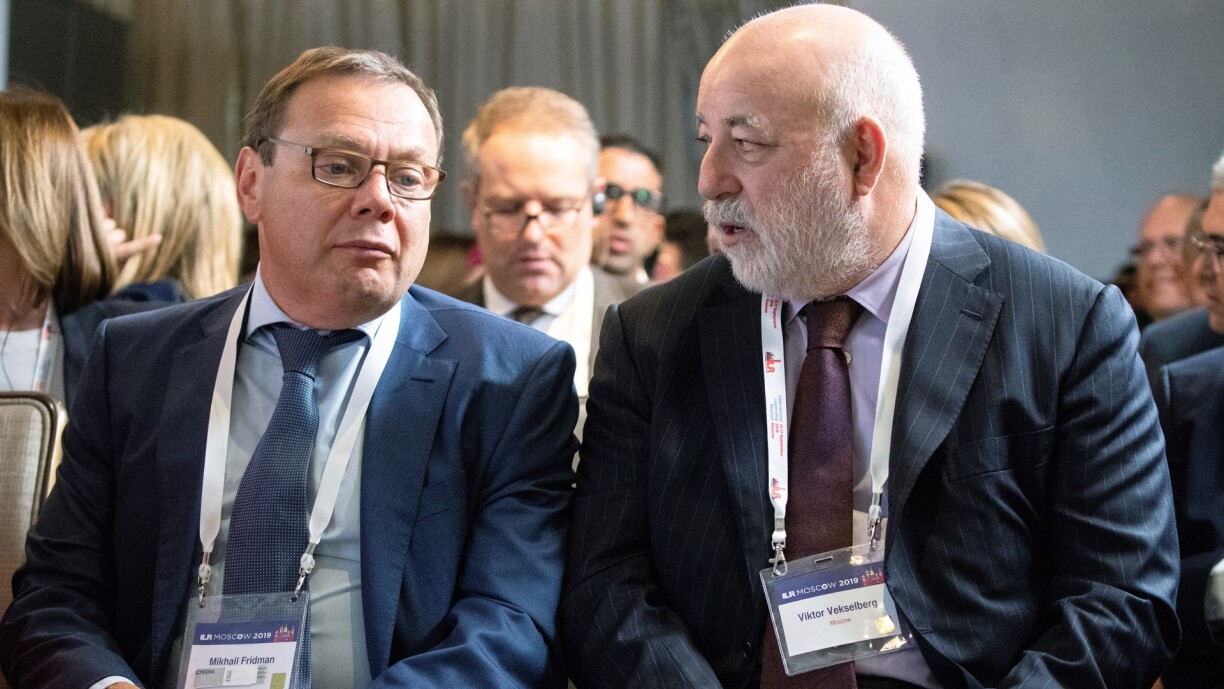
Russian oligarch Mikhail Fridman is suing Luxembourg for over €15 billion in damages through international arbitration, challenging the freezing of his assets under EU sanctions related to Russia's war on Ukraine.
Legal proceedings underway – Russian oligarch Mikhail Fridman, a prominent figure with substantial business interests in Luxembourg, has initiated legal action against the Luxembourg state, seeking damages exceeding €15 billion. This move comes in response to the freezing of his assets by Luxembourg authorities, which was part of the broader EU sanctions imposed due to Russia's invasion of Ukraine. Fridman's lawsuit, which has attracted significant international attention, is being handled through international arbitration rather than the conventional judicial system.
Bilateral agreement – Fridman is leveraging a bilateral investment agreement between Luxembourg, Belgium, and Russia to contest the asset freeze. This treaty is designed to protect investors from discriminatory actions by states, ensuring fair treatment for investments from the signatory countries.
High stakes – Regardless of the arbitration's outcome, Luxembourg faces the prospect of incurring substantial legal costs, potentially amounting to millions of euros. International arbitration cases of this scale often involve lengthy proceedings and extensive legal fees, and the potential for a large damages payout only adds to the financial risks for Luxembourg.

Opposition lawmakers have criticised the Chamber of Deputies' recent Covid-19 pandemic report for its lack of detailed analysis and called for independent scrutiny of the measures taken.
Health Minister Martine Deprez defended the previous government's pandemic decisions, stating that they were based on available information at the time and emphasized the need for a comprehensive public health law.
While some MPs see the report as a solid foundation for further debate, there is a consensus on the necessity of an in-depth review and broader discussion on future pandemic management.
Report under fire – Opposition lawmakers have expressed dissatisfaction with the Chamber of Deputies' Covid-19 pandemic management report, arguing that it lacks the necessary depth and detailed analysis required to fully assess the effectiveness and proportionality of the measures taken during the pandemic. They contend that the report is more of an enumeration of actions rather than a critical evaluation, leading to concerns that important lessons might not be learned.
As a result, opposition members are advocating for an independent expert review to ensure that future decisions are better informed by a thorough understanding of past actions.
Robust legislation needed – Health Minister Martine Deprez defended the decisions made by the previous government, emphasising that they were based on the best available information at the time. She acknowledged that hindsight provides a clearer perspective, but stressed the importance of understanding the broader international context and the efficacy of past measures to inform future public health decisions.
Deprez further highlighted the need for a comprehensive public health law that would go beyond merely reacting to pandemics, aiming instead to consolidate all relevant measures and regulations into a more robust legislative framework.
Issues to be addressed – While the report has been recognised by some MPs as a decent starting point for discussion, there is a general consensus across the political spectrum that it lacks the critical analysis necessary to guide future pandemic management. The report's findings have sparked a call for a more in-depth review and have underscored the need for a broad and inclusive debate on how to handle future public health crises.
This includes addressing issues like the rise of inequalities, the proportionality of measures, and the decision-making processes that were not always unanimous during the pandemic.

Labour Minister Georges Mischo has questioned the relevance of the three-week summer shutdown in Luxembourg's construction sector, suggesting possible reforms while emphasising the need for union consultations.
Trade unions strongly oppose changes to the collective leave, arguing it is a crucial part of the collective labour agreement and benefits both employers and employees.
Exceptions to the collective leave already exist for critical projects, and unions believe the current system works well, rejecting the need for further discussion.
Raising the issue – In a recent interview, Labour Minister Georges Mischo raised concerns about the appropriateness of the three-week summer shutdown in Luxembourg's construction sector, given the numerous ongoing projects. He suggested that it might be time to reconsider this long-standing practice, potentially shortening the break or altering its timing.
However, Mischo acknowledged that any changes would require thorough discussions with trade unions to ensure that the interests of all parties involved are considered before any reforms are implemented.
Unions baffled – Trade unions, including the Luxembourg Confederation of Christian Trade Unions (LCGB) and the Luxembourg Trade Union Confederation (OGBL), have shown themselves baffled by the minister's suggestion, strongly opposing the idea of altering the collective leave. They argue that the collective leave is a critical component of the collective labour agreement, which has been mutually agreed upon by employers and employee representatives.
The unions believe that this leave ensures a guaranteed summer break for all workers in the construction sector, and they see no current demand or justification for changing this well-established system.
Exceptions permitted – Despite the general shutdown during the collective leave, certain exceptions are already in place for critical construction projects, such as school buildings or other essential infrastructure that require continuous work. These exceptions are negotiated and agreed upon by the relevant stakeholders, including the trade unions, employers, and the Labour and Mines Inspectorate (ITM).
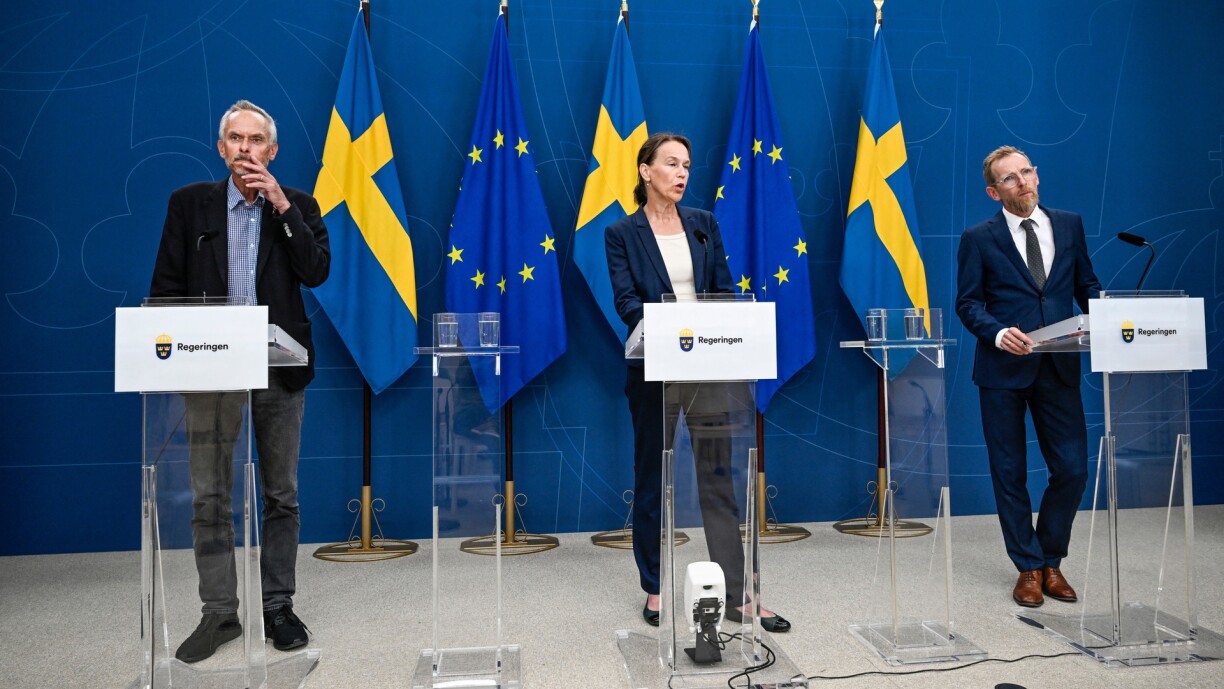
The World Health Organization (WHO) has declared the mpox outbreak in Africa a global public health emergency due to the rapid spread of the Clade 1b subclade, which is more deadly than previous strains.
The Clade 1b variant has now been detected outside Africa, with Sweden reporting the first case, raising concerns about potential further international spread.
The Democratic Republic of Congo is the epicentre of the current outbreak, with over 15,000 cases and 548 deaths this year, prompting global vaccination efforts and increased surveillance measures.
Highest alarm level – The WHO has declared the mpox outbreak in Africa a global public health emergency, marking the second time this disease has triggered such an alert. The current concern centres around the Clade 1b subclade, a more virulent and deadly strain compared to previous versions of the virus.
This declaration, the highest level of alarm the WHO can issue, underscores the severity of the situation and aims to galvanise international cooperation in containing the outbreak, particularly in Africa where resources are scarce.
Very low risk – The detection of the Clade 1b variant outside Africa, specifically in Sweden, is a significant development that highlights the global interconnectedness of health threats. This case, the first of its kind reported in Europe, was linked to travel from an affected region in Africa, raising concerns about the possibility of further spread to other regions.
Health authorities in Europe are on high alert, although the risk to the general population is currently considered low, and there are ongoing discussions about the best approaches to manage and prevent further cases.
Vaccination efforts – The Democratic Republic of Congo (DRC) is at the centre of the current mpox outbreak, experiencing a sharp increase in cases and fatalities. With over 15,000 reported cases and 548 deaths since the beginning of the year, the DRC's health infrastructure is under severe strain.
In response, the government has launched a national vaccination campaign and strengthened surveillance at borders. International efforts, including vaccine donations from the United States and production commitments from manufacturers, are critical components of the global strategy to control this deadly outbreak.
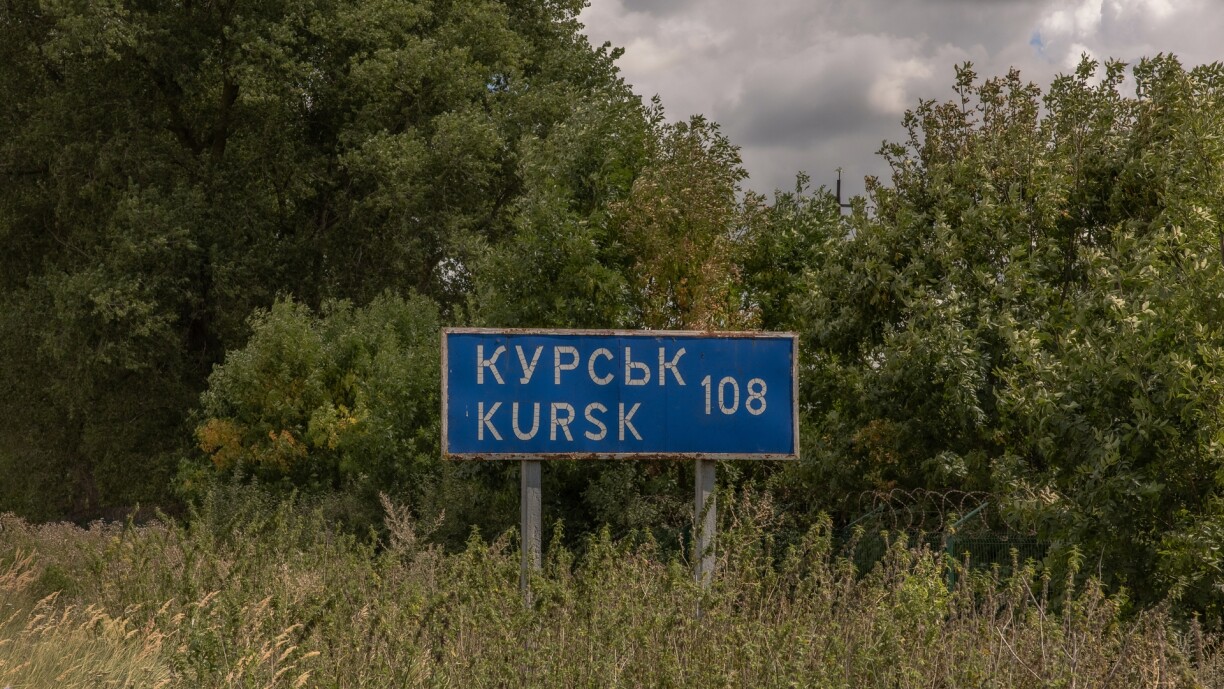
Ukraine launched a significant surprise offensive into Russia's Kursk region, capturing over two dozen settlements and displacing more than 120,000 people, marking the largest cross-border attack on Russian soil since World War II.
Volunteers in Moscow are organising aid for the displaced, highlighting scepticism toward government support as thousands of donations pour in to assist those fleeing the conflict.
Both Ukraine and Russia claim advances in the ongoing conflict, with Ukrainian forces controlling over 1,100sq km of Russian territory, while Russia is reinforcing its defences and recapturing some areas.
Incursion underway – Ukraine launched a surprise military offensive into Russia's Kursk region on 6 August 6, capturing over two dozen towns and villages in what is the most significant cross-border incursion on Russian soil since World War II. The operation involved thousands of Ukrainian troops and aimed to destabilise Russian forces by stretching their defensive positions and inflicting maximum losses.
Ukrainian forces have reportedly seized control of over 1,100sq km of Russian territory, pushing as deep as 30km into Russia in some areas, and creating a new front approximately 40km long.
Scepticism among volunteers – In response to the mass displacement caused by the fighting, volunteers in Moscow have mobilised to provide aid to the more than 120,000 people fleeing the conflict in the Kursk region. Despite the Russian government's allocation of funds for the evacuees, many citizens believe that state support is insufficient. Volunteer-led initiatives, fuelled by social media campaigns and public appeals, have gathered substantial donations, including children's toys, food, blankets, and other essentials.
Claims and counterclaims – As the conflict continues, both Ukrainian and Russian forces are claiming territorial gains. Ukrainian officials assert that their troops have advanced well into Russian territory, with control over significant portions of the Kursk region, including the town of Sudzha.
Meanwhile, Russia has responded by sending reinforcements to the region and recapturing some areas, such as the village of Krupets. The Ukrainian offensive has caught Russia off guard, leading to intensified military engagements on multiple fronts, including ongoing battles in the Donbas region, where Russian forces are making incremental gains towards key Ukrainian-held cities.
Business & Tech – New Zealand-based tech entrepreneur Kim Dotcom lashed out at the US government Friday, as his decade-long effort to avoid extradition on fraud and money laundering charges appeared to have failed.
Science & Environment – A Greenland court on Thursday ordered US-Canadian anti-whaling activist Paul Watson to be kept in custody until September 5 pending a decision on his possible extradition to Japan.
Entertainment – Pop star Ed Sheeran has acquired a minority stake in Ipswich Town, the Premier League football club announced Thursday.
Duchy content – Youtube group Sidemen were recently in Luxembourg to film a race across the country – watch the video here.
Celestial convergence – A rare celestial convergence captivated Luxembourg on Monday night as the northern lights and the Perseid meteor shower lit up the skies, offering stargazers an unforgettable double spectacle.
Nightly air traffic – Night flights at Luxembourg's Findel airport, which saw 2,553 late arrivals and departures last year, have sparked growing concern among local residents, prompting questions about the contributing factors behind the increase in nighttime air traffic.

Your Weekly Recap is published every Friday at noon. Read earlier versions.





