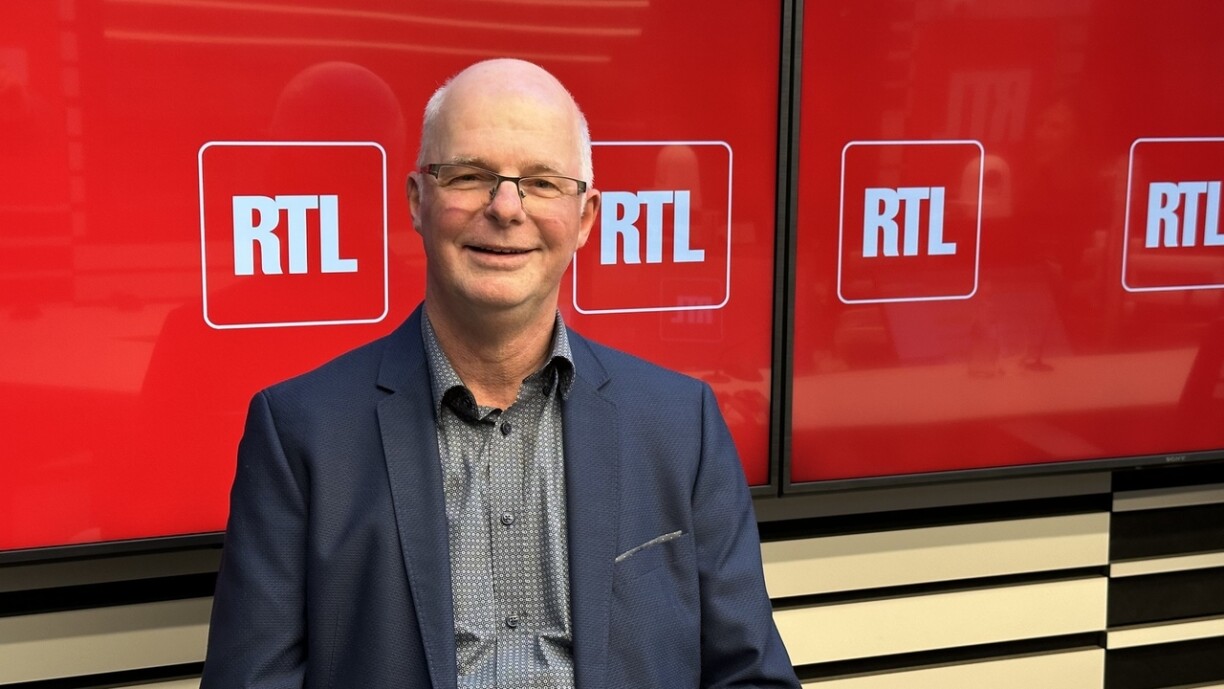
According to Adrien Wouters, "the residents of northern Luxembourg are frustrated and feel abandoned." Wouters is a member of the association Cliärrwer Kanton ("Canton of Clervaux") and was a guest on RTL Radio on Tuesday morning. He criticised the disappearance of services and the crumbling infrastructure, citing the closed Schieburg tunnel as an example. Wouters also mentioned the fact that in the future, aspiring drivers will only be able to take their tests at Friedhof and not in Wiltz. "With all of this in mind, you shouldn't be surprised that people are frustrated and feel like no one is looking after them," he said.
The end of driving tests in Wiltz "is just one of many examples of the state removing jobs and services from northern Luxembourg and centralising them." Paradoxically, Wouters noted, all of this occurs in the context of decentralisation. Other services, including some that were previously located in the area Ettelbruck/Diekirch will also be relocated to Friedhof. "But why do services based in Marnach also have to be moved there, or the driving tests, which by the way, people have been able to take in Wiltz for the past 80 years," Wouters pointed out. He also rejected the argument that there are not enough people taking their tests in Wiltz to justify hiring an examiner for two full days, stating that "when I passed my driving test in 1975, there were probably even fewer people taking it." Wouters noted that the population of northern Luxembourg is constantly growing: the region's population has grown by 70% since 2000, compared to 50% for the entire country.
Cliärrwer Kanton proposes moving the base of the rescue helicopter from Ettelbruck to Troisvierges. At the moment, the helicopter has to fly north for 65-70% of deployments. According to Wouters, "the most important part is not bringing people to the hospital but bringing the hospital and doctors to the patient." He argued that Troisvierges is not only a good location, but also offers the opportunity to work alongside the local CGDIS and would allow the helicopter to cover a greater area beyond Luxembourg's borders.
Another one of the association's demands is to recruit more staff for the administrations in northern Luxembourg. Over the past 30-40 years, the number of counters and staff members was slashed again and again, often to the benefit of the country's south, Wouters criticised, adding that "in the interest of efficiency and decentralisation, we'd actually need more services in more locations." This would benefit both the quality of life of local residents and the environment, according to Adrien Wouters from the association Cliärrwer Kanton.





