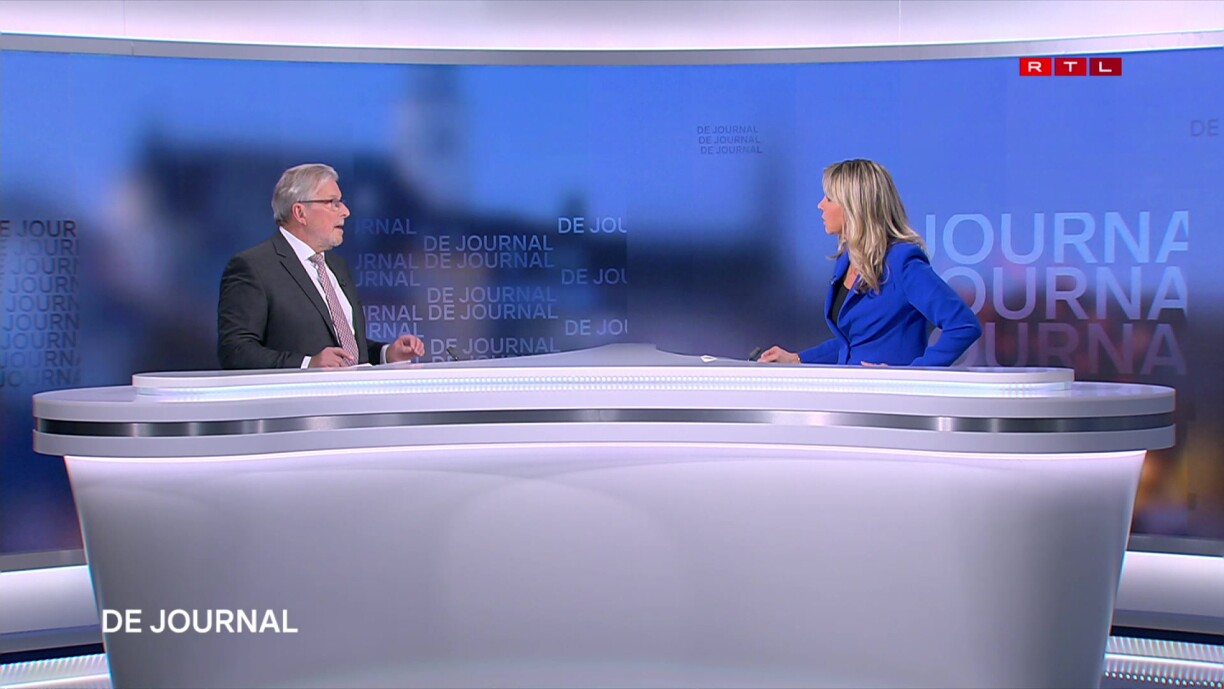
MP Mars di Bartolomeo of the Luxembourg Socialist Workers' Party (LSAP), a key figure in the drafting of the 2012 legislation, emphasised in a conversation with RTL Télé on Monday evening that the situation was not "miscalculated" back then.
Luxembourg's former Minister of Health defended the 2012 reform, stating that it was the right decision at the time, and the focus was on achievable goals. He highlighted that reserves designated for challenging periods have more than doubled since the reform.
According to Di Bartolomeo, a reform should never be considered as definitive, but rather as a work in progress in need of constant monitoring and re-evaluation.
"At the time, the DP [Democratic Party] tore this reform to shreds", noted the LSAP MP, explaining that support primarily came from then-PM Jean-Claude Juncker.
In a Monday morning interview on RTL Radio, Luxembourg's new Social Security Minister, Martine Deprez, outlined the approach for the upcoming reform. Similar to the 2012 strategy, the plan is to address two fundamental components of the pension system by gradually increasing the fixed contribution rate from 24% to 28%. Simultaneously, the variable contribution rate will be slightly reduced, aiming to boost the overall pension amount received by all, with the idea that those with higher incomes can contribute more towards a supplementary pension.
However, Di Bartolomeo expressed dissatisfaction with the government's claim of fostering a broad debate while excluding the Chamber of Deputies from the process, unlike in 2012.
Di Bartolomeo also criticised Minister Deprez for ruling out an increase in contributions early in the debate, likening it to taking an "employer position." He stressed that there are three adjustable factors — contributions, retirement age, and benefits — and by prematurely dismissing one, the minister hindered a comprehensive discussion. Di Bartolomeo predicted that, after a year and a half, the Economic and Social Council would merely agree to disagree on the matter.
"We stand by the 2012 law," emphasised Di Bartolomeo. He highlighted that the contribution increases outlined in this law, triggered in the event of an imbalance, are still under consideration. According to Di Bartolomeo, the government must navigate the trio of adjustable factors or explore avenues for generating new income.
Expressing concern, Di Bartolomeo warned against the potential creation of a two-tier pension system as a result of government cost-cutting efforts. He stressed the importance of relying on the solidarity of all insured persons, emphasising that while the private sector offers supplementary pensions for profit, the state should prioritise investing in the general pension system as the primary pillar.
Martine Deprez "has a trump card, she is from Dudelange, she is a representative of a traditional understanding of social insurance, and she can do the maths," says Di Bartolomeo, "but her mission is not to be envied." Despite the minister's proposals being described as "vague," Di Bartolomeo claimed to discern a potential threat to the solidarity-based pension system between the lines.
The former minister concluded by saying that safeguarding pensions at the state and municipal levels is in the government's interest.





