Mersch explained that cars are usually produced "just in time", meaning that once there is a fluctuation in demand, this will have an immediate impact on delivery schedules.
35,000 cars had been registered until the end of September this year, a 20% decrease compared to the same period in 2019. Mersch underlined that this was mostly due to delivery shortages, especially microprocessors.

The automobile industry has never been the primary market for microprocessors, and since fewer cars were produced during the initial stages of the pandemic, resources are only slowly being allocated back.
Read also - Hybrid cars' green credentials under scrutiny
People that want to purchase a car now already know what to expect in terms of delivery dates. Delays are especially problematic for people who bought a car at the beginning of the year and still have not received a vehicle, explained Mersch.
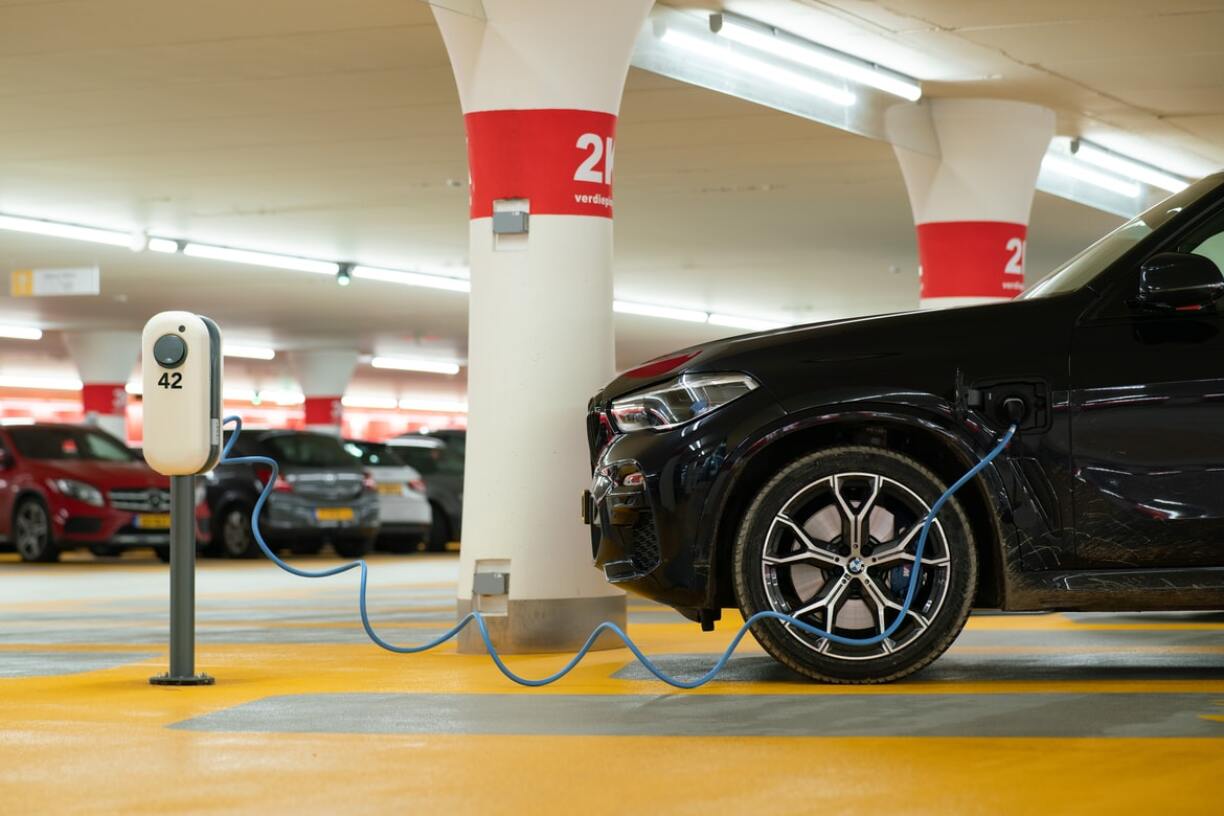
18.7% of new registrations this year were electric and hybrid cars, which confirms an upward trend. Mersch noted that these vehicles also have to combat fewer delivery problems at the moment, which increases their attractiveness.





