The museum’s taxidermy exhibits allow close viewing of preserved wildlife, but repeated touching by guests is damaging them – sometimes beyond repair.
Rules are in place to keep the taxidermy animals in good condition, but not all visitors are keen to follow them. Many of the animals are touched and stroked despite it being prohibited, while others are played with, sat on, or in extreme cases, remove them from the museum premises.
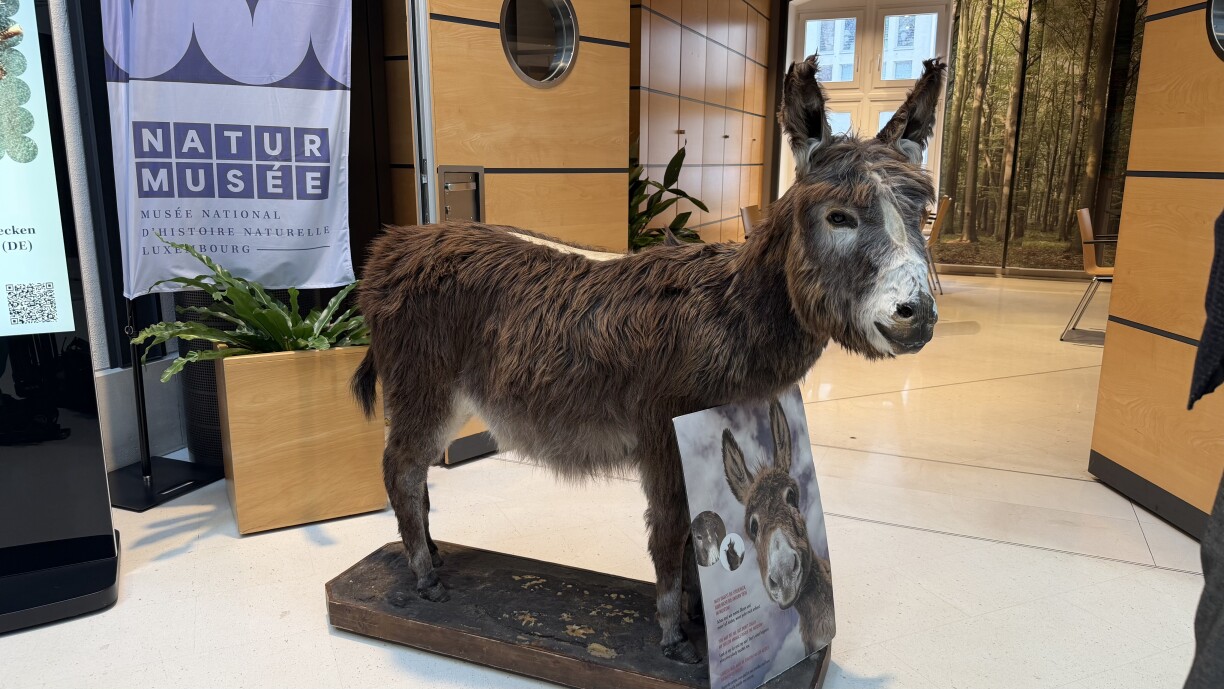
At the entrance to the museum is a stuffed donkey which is designed to act as a deterrent, to show visitors what sort of damage can be inflicted on the exhibits if the rules are not adhered to. The donkey's ear is missing a piece, and the animal's fur is threadbare and missing in places where it has been touched or stroked too much.
These animals are not as easy to repair or replace as one might think. Not only do repairs bear a considerable cost, but many of the exhibited animals are rare, or have died out, or cannot be fixed as it is impossible to find replacement pieces. Everything must come from the same animal. The museum's taxidermist, Guillaume Becker, is able to fix some minor damage, but often the animals cannot be restored:
Becker explained that damaged feathers or fur cannot simply be replaced, as each specimen forms part of a scientific collection intended to document an animal’s existence at a specific moment in time. Mixing parts from different animals would compromise the integrity of the data, making it no longer reliable “in terms of DNA or morphology”.
A good example of an animal that has needed frequent restoration is the fennec fox.
Visitors frequently touch the animal's paws, and they have broken off on several occasions. Many people only see the "cute" animal and want the chance to stroke it, which they obviously couldn't do in real life, but they don't consider that a taxidermy animal in a museum no longer has much in common with the living species. The stuffed animals are not as flexible as they were in life and are therefore very fragile objects, says museum director Patrick Michaely.
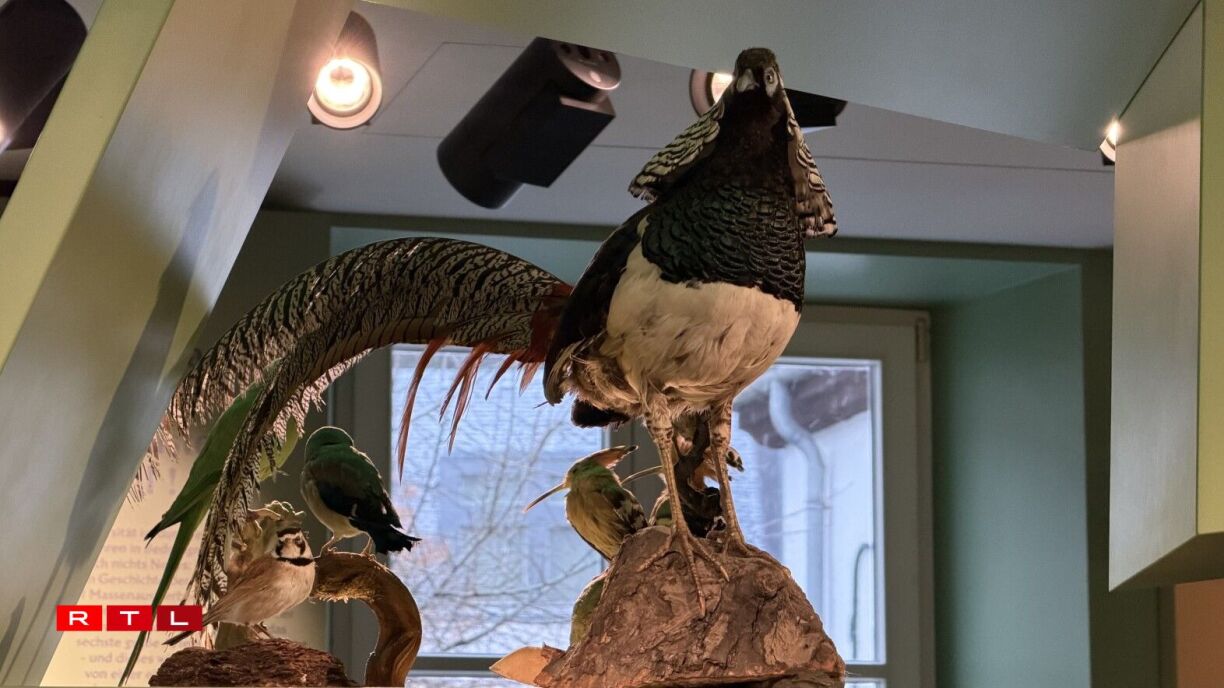
"Above all it's an issue with the birds. When visitors touch the feathers they move them, then they don't sit right anymore and even the best taxidermist will have trouble fixing them."
Sometimes people purposely set out to destroy the exhibits. A penguin dating back to 1930 had its neck broken. It is not known how it occurred, but the taxidermist said it would be extremely difficult to do without hanging off the animal or pulling very hard. Although Becker was able to repair the bird, there will always be a mark. The penguin cannot be replaced.
"It's an incredibly rare specimen, we can't just add another anatomical piece from a different animal. It's not possible, particularly on a scientific level."
During opening hours, museum staff ensures the exhibits are looked after, but during big events such as parties, or the Nuit des Musées open evenings, it is hard for them to keep an eye on everything. If staff spot people touching the exhibits, be it an adult or a child, they kindly make the visitors aware that this is not permitted. The majority of people understand and apologise immediately, but others do not care and respond rudely.
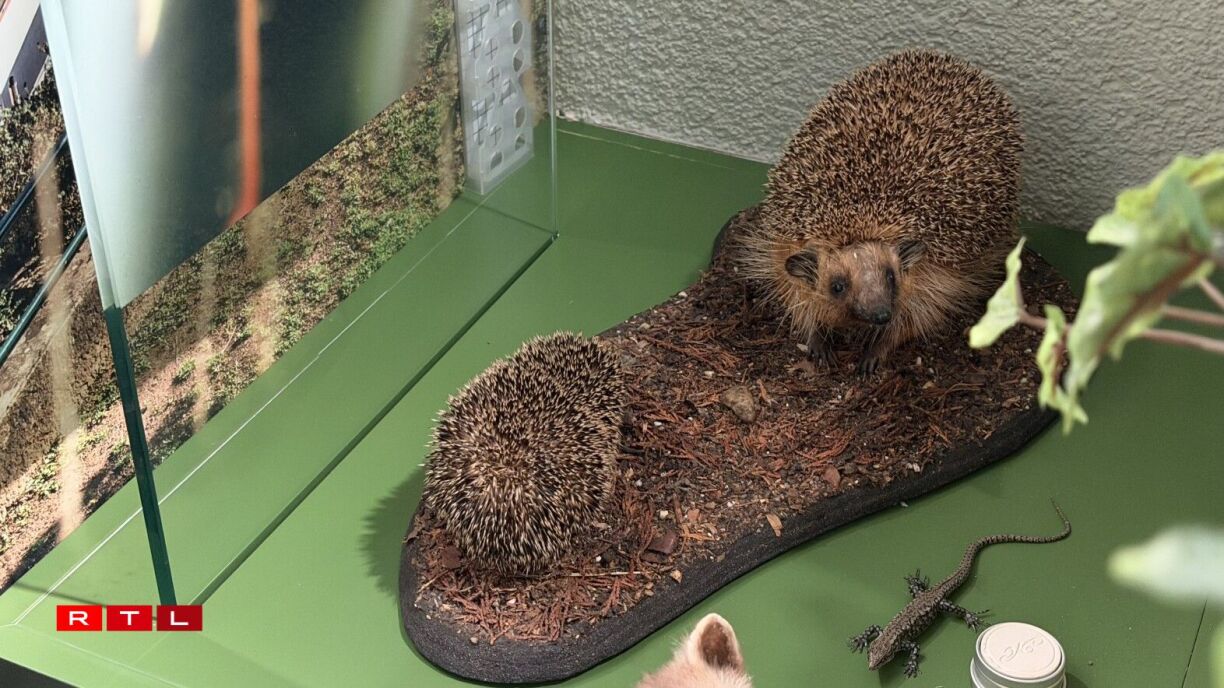
Sometimes, visitors' audacity goes beyond just touching the animals. Recently a small hedgehog was stolen from the museum, and an exhibit of three of the small animals was suddenly down to just two one morning.
Becker visits each room every morning to check for damage. Three months ago, he realised one of the hedgehogs had vanished. It is not known how exactly it stolen, save for it must have happened when a large group of visitors passed through the exhibits. The hedgehog was situated behind a small wall, meaning the thief must have put in some effort to reach into the exhibit and take it. There is no CCTV in the museum, and the director says it is not worth installing cameras. A police investigation is also unlikely to shed light on the matter.
Naturally one might expect the museum to place the exhibits behind glass. However, the director says this would change the whole layout and concept of the museum. "We didn't consider this before because we wanted to give people the option to get close to the animals," said Michaely. "But it's an obvious consequence that they will touch them."
Michaely concludes that placing the exhibits behind glass would only be considered as part of a future redesign of the museum, a process that would take time. While this would better protect the animals, he warned it would also disadvantage visitors who respect the rules, as the aim had been to allow people to experience the exhibits “up close”, something that is “not always the case elsewhere”.





