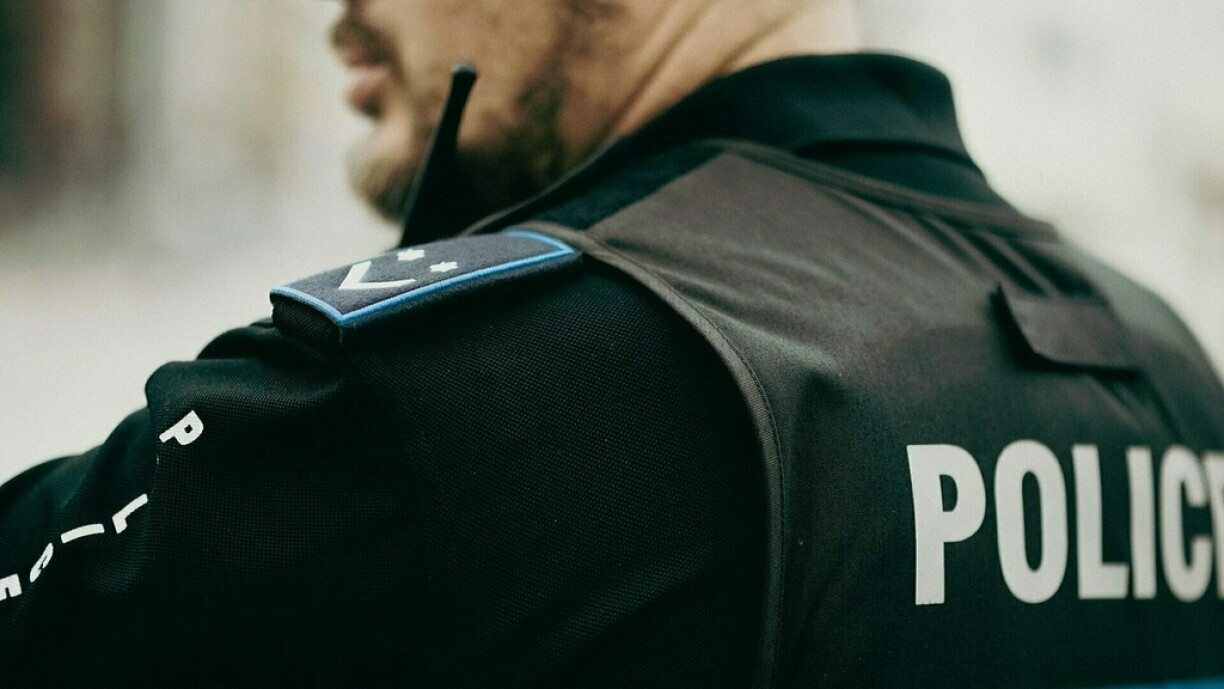
Minister for Home Affairs Léon Gloden presented the broad outlines of the "internal security" chapter of the coalition agreement during a three-hour session with members of the parliamentary internal security committee. The focal point of the discussion was the introduction of a municipal police unit.
After the meeting, the opposition expressed uncertainties regarding the mayors' roles and responsibilities in relation to the proposed "municipal police." Dan Biancalana, MP and mayor of Dudelange from the Luxembourg Socialist Workers' Party (LSAP), emphasised the lack of clarity on the remit of the municipal police force itself. According to him, the information provided so far merely indicates that municipal police officers would function as "state officials at the disposal of the mayor." Biancalana raised concerns about potential municipal contributions to the funding of the proposed police force, questioning whether financially robust municipalities might have the capacity to deploy more police officers. In his view, many questions remain unanswered.
Green Party MP Meris Šehović echoed these concerns, stating that the government's portrayal of the municipal police force as a "solution to everything" is problematic. The notion of municipalities sharing funding responsibilities is viewed by Šehović as a "new element" not disclosed during the election campaign, asserting opposition to the idea due to the increased responsibilities already placed on local authorities. Šehović characterised involving municipalities in funding the police force as "a step in the wrong direction."
In response, Minister for Home Affairs Léon Gloden defended the proposal, emphasising the mayors' obligation to ensure public safety, peace, and health. According to Gloden, a municipal police force serves as a crucial preventative element. The proposed unit would operate within the Grand Ducal Police force and collaborate with existing municipal agents.





