
Here are five things you should know at the end of this week:


Luxembour's Chamber of Deputies rejected a petition calling for a parliamentary enquiry into the country's Covid-19 response.
Petition rejected – During a parliamentary session on Wednesday, Luxembourg's lawmakers dismissed Public Petition 2489, which had requested the creation of an enquiry committee to scrutinise the government's handling of the Covid-19 pandemic. The proposal failed to gain sufficient political support, meaning no formal investigation will be launched.
Despite the petition meeting the signature threshold at the time of submission – then 4,500 – it did not result in further action, effectively closing the door on a potential retrospective probe into the state's decisions during the crisis.
Background – Submitted two years ago, the petition called for the formation of an "independent multidisciplinary committee" to assess the scientific, political, health, and statistical aspects of Luxembourg's pandemic response. It argued for a comprehensive evaluation of how decisions were made, particularly regarding vaccines and public health measures.
Although it gained significant public backing, the debate had been postponed multiple times before finally being addressed in parliament, where its demands were ultimately turned down.
Vaccine scepticism – Amar Goudjil, the petitioner, used the opportunity to express scepticism about vaccines, claiming they were harmful and served pharmaceutical interests. Members of Parliament firmly rejected these allegations, stressing that the government's actions during the pandemic had been transparent and scientifically guided.
Health Minister Martine Deprez praised healthcare workers for their dedication, highlighting their vital role during the pandemic and defending the continued use of vaccines as essential tools for public health protection.

The Howald multimodal rail station is on schedule for completion by late 2026, with major works planned for summer 2025 that will temporarily disrupt services.
Once finished, the station will serve as a key transfer hub, separating regional and international routes to improve efficiency and punctuality.
Works in 2025 include rail and platform reconstruction, with permanent platform changes beginning 15 September and full line connection expected by autumn 2027.
Central junction – Construction on Luxembourg City’s new Howald station, which began in January 2024, is progressing according to plan and remains on track for a late 2026 completion. However, significant infrastructure works scheduled between 12 July and 15 September 2025 will temporarily halt rail service in the area.
These works will involve the complete removal of existing rails and overhead lines, as well as the reconstruction of platforms across a total of 2,700m, divided into three sections. The disruption is necessary to carry out essential upgrades that will support the station's future function as a central junction.
Improved reliability – When operational, Howald station will act as a major multimodal hub, easing traffic at Luxembourg City's central station and enhancing the overall efficiency of the rail network. CFL spokesperson Sandy Nonnweiler explained that the project, long in the planning stages, aims to decouple key rail lines at Bettembourg.
This includes separating the Luxembourg City–Esch–Rodange route from the Luxembourg City–Thionville–Metz route, providing CFL with greater flexibility. The separation will reduce traffic conflicts and delays, leading to better punctuality and increased capacity on both regional and international services.
Reorganisation – According to CFL engineer David Da Silva, one of the key outcomes of the 2025 works will be a permanent change in platform assignments. As of 15 September 2025, all regional trains arriving from Bettembourg will use Platform 2 at the new Howald station.
Platform 1 will remain out of service until it is integrated into the new Bettembourg–Luxembourg City line, which is scheduled to open by autumn 2027. Once the line is complete, Platform 1 will handle all international traffic, including TGV trains, further streamlining the network and reducing congestion at the central station.
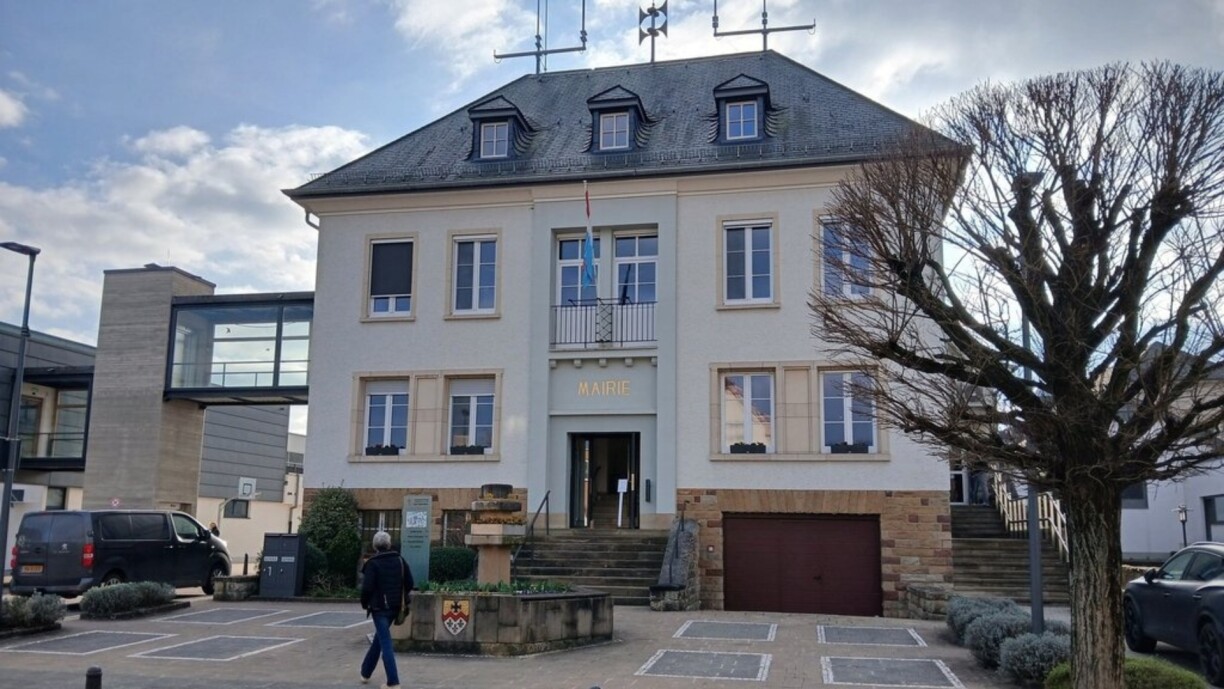
Bettendorf’s council voted eight to three to end merger talks with four neighbouring communes, rejecting a plan supported by 57% of residents in a March referendum.
Mayor Patrick Mergen cited unresolved issues and suggested future cooperation with nearby Tandel instead.
The Bettendorf Citizens’ Initiative criticised the decision, saying it ignored a binding democratic mandate and stifled open debate.
Referendum overturned – In a move that has sparked controversy, Bettendorf's municipal council decided by a clear majority to halt discussions about merging with the nearby communes of Erpeldange-sur-Sûre, Diekirch, Ettelbruck, and Schieren. This decision comes despite the fact that more than half of local voters (57%) expressed their support for the merger in a public referendum held in March.
The council's vote effectively overrides this result, raising questions about the balance between representative and direct democracy in local governance.
Potential alternative – Following the vote, Mayor Patrick Mergen addressed the council's decision, pointing to ongoing uncertainties as a reason for halting the merger discussions. While he personally supported continuing the talks – along with alderman Lucien Kurtisi and councillor Suzette Serres – he acknowledged that the majority of the council was not ready to move forward.
Rather than pursuing the Nordstad merger, Mergen floated the idea of strengthening ties with the neighbouring commune of Tandel as a potential alternative for regional cooperation.
Residents dismayed – The Bettendorf Citizens' Initiative issued a statement condemning the council's move, arguing it flies in the face of democratic principles. The group emphasised that the March referendum was not merely consultative but a binding indicator of the population's will.
They stressed that continuing the discussions would not have automatically resulted in a merger, but would have provided space for transparency, dialogue, and addressing residents' concerns in an open and inclusive manner.
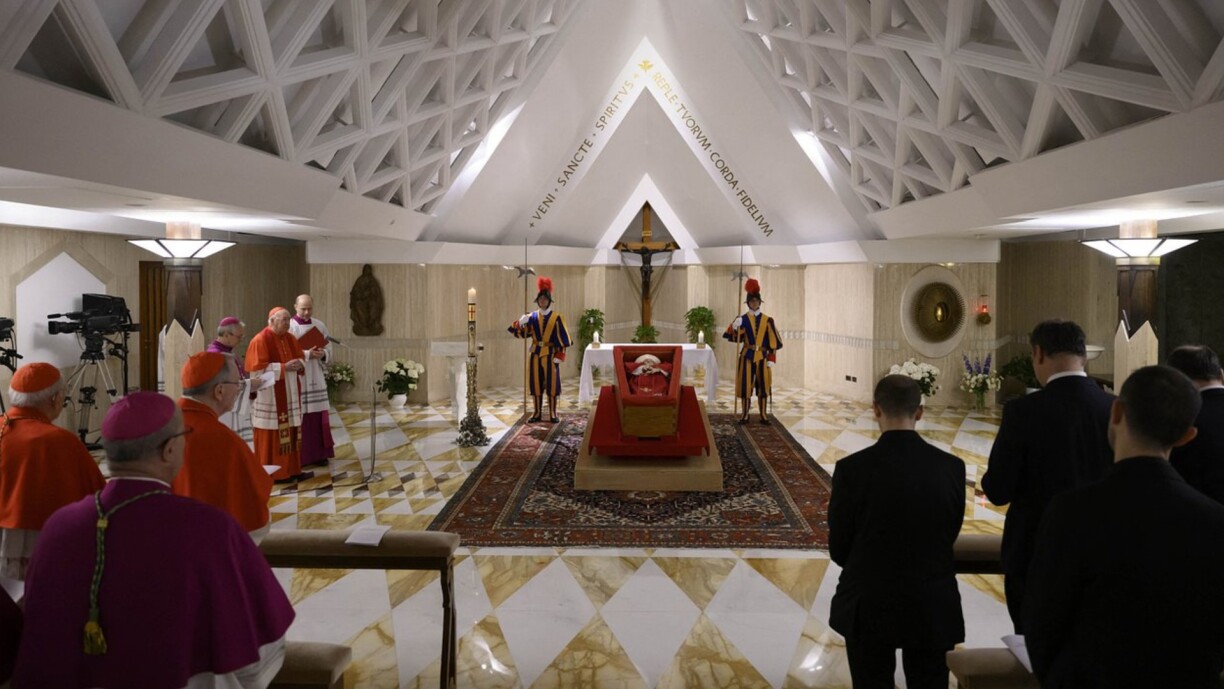
Pope Francis died on Monday aged 88 from a stroke, triggering a historic period of mourning and preparations for his funeral and succession.
The late pontiff will be buried Saturday in a simple tomb at Santa Maria Maggiore, with global leaders including Trump and von der Leyen attending.
Luxembourg’s Cardinal Jean-Claude Hollerich, a close ally of Francis, has emerged as a potential successor ahead of the upcoming conclave.
World in mourning – Pope Francis passed away at his residence in the Vatican after suffering a stroke that led to a coma and heart failure. His death came less than a month after being discharged from a five-week hospital stay for double pneumonia.
The news was formally announced by Cardinal Kevin Farrell and marked the beginning of the traditional nine-day mourning period known as novemdiales, during which multiple Masses are held in his honour. His passing marks the end of a deeply transformative 12-year papacy that saw the Argentine Jesuit lead 1.4 billion Catholics with a focus on inclusion, social justice, and reform.
The Vatican's complex protocols have now come into effect, including the sealing of the Pope's quarters and the destruction of the Fisherman's Ring, as preparations for the election of his successor begin.
Funeral – Pope Francis chose to be buried at Rome's Santa Maria Maggiore basilica, a departure from tradition that reflects his humility and devotion to the Virgin Mary. His simple marble tomb, bearing only the Latin inscription "Franciscus", will be located near the altar of Saint Francis and accessible to the public from Sunday.
The funeral, set for Saturday morning in St Peter's Square, is expected to draw hundreds of thousands of mourners and over 130 international delegations, including 50 heads of state and 10 monarchs. Notable attendees include US President Donald Trump, European Commission President Ursula von der Leyen, and Luxembourg's Grand Duke Henri alongside PM Frieden.
Italy has launched a massive security operation with fighter jets on standby, anti-drone measures in place, and checkpoints surrounding the Vatican.
Succession speculation – Amid widespread speculation ahead of the conclave, Luxembourg's Cardinal Jean-Claude Hollerich has been named among the top contenders to become the next pope. A Jesuit like Francis and a key advisor on the Council of Cardinals, Hollerich has been praised for his progressive vision and commitment to inclusivity, mirroring much of Francis' own approach.
Although he modestly dismissed his chances in public statements, his influence within the Vatican and alignment with the late pope's reforms have attracted international attention, with outlets such as CNN and Die Welt listing him as a frontrunner.
The conclave, involving 135 cardinals under age 80, must begin between 15 and 20 days after Francis' death. As the Church enters a crucial period of transition, Hollerich's name continues to circulate as a serious possibility for the next Pontiff.
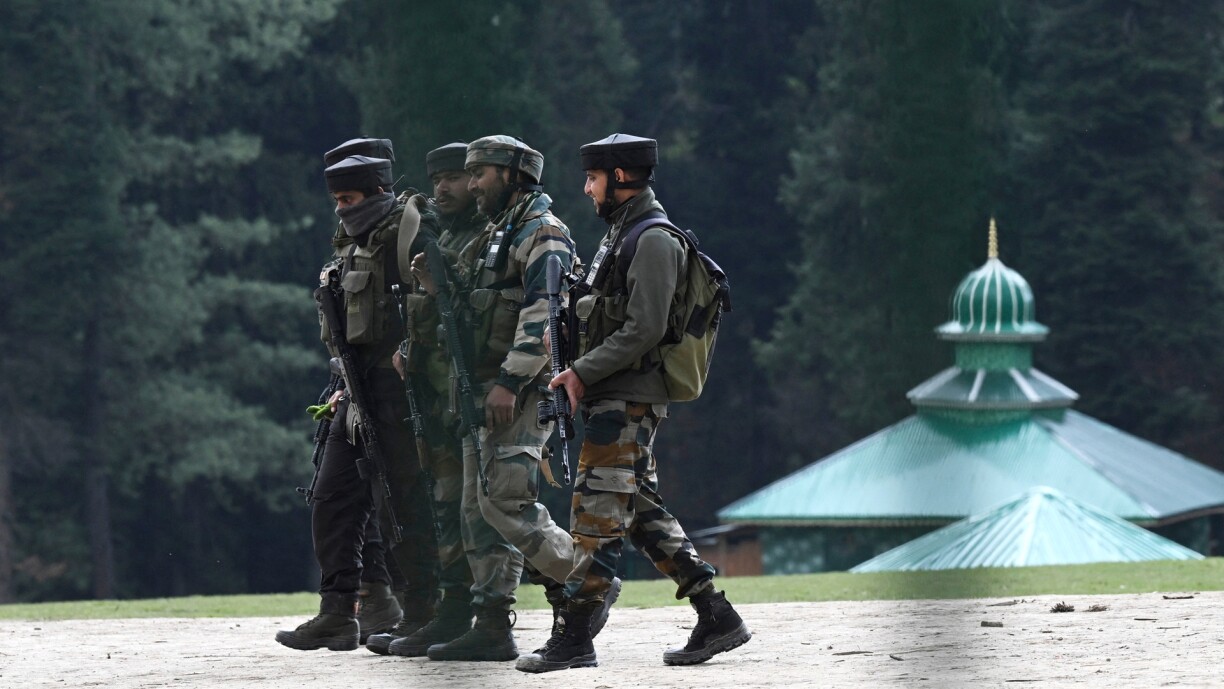
Gunmen killed 26 male tourists in a targeted attack in Pahalgam, Indian-administered Kashmir – the deadliest on civilians in the region since 2000 – prompting national mourning and shock.
India blamed Pakistan for supporting the attackers, launching sweeping diplomatic reprisals and vowing a potential military response, while Pakistan denied involvement and warned against escalation.
The assault shattered perceptions of restored normalcy in Kashmir, triggered an exodus of tourists, and led to harassment of Kashmiri students across India amid rising communal tensions.
'Heinous act' – The attack took place in the tourist town of Pahalgam, where gunmen emerged from nearby forests and opened fire on unarmed tourists, reportedly sparing women and targeting men. Witnesses described the shooting as "like a storm", with some victims reportedly shot multiple times at close range.
The attack was unprecedented in both scale and brutality, especially because it deliberately targeted civilians rather than military or police personnel – a marked departure from typical insurgent activity in the region. Among the dead was one Nepali citizen, while others were Indian nationals visiting from various states.
Indian Prime Minister Narendra Modi condemned the killings as a "heinous act" and pledged that the perpetrators would be hunted down and brought to justice. The incident triggered widespread mourning, candlelight vigils, and an outpouring of grief across the country.
Rising tensions – In the immediate aftermath, Indian officials accused Pakistan of backing the militant group behind the attack, identifying two of the three alleged assailants as Pakistani nationals and linking them to the Lashkar-e-Taiba group.
India responded swiftly by suspending the Indus Waters Treaty, closing the main border crossing at Attari-Wagah, downgrading diplomatic ties, and cancelling visas for Pakistani citizens. Indian military forces launched a vast manhunt across the forested regions near the site of the attack.
Pakistan, meanwhile, convened a high-level National Security Committee, rejected the allegations as baseless, and issued countermeasures including the expulsion of Indian diplomats and suspension of Indian visas. The tit-for-tat actions raised fears of a possible military escalation, echoing tensions from the 2019 Pulwama attack, which had led to retaliatory airstrikes and brought the nuclear-armed rivals to the brink of open conflict.
Exodus – The attack dealt a severe blow to the Indian government's narrative of peace and normalcy in Kashmir following the 2019 revocation of the region's special autonomy. Authorities had touted record tourist numbers – 3.5 million visitors in 2024 – as proof of stability, and the assault's targeting of a holiday hotspot undermined these claims.
In the days following the killings, tourists fled Kashmir in droves, hotels reported mass cancellations, and Indian airlines added extra flights to evacuate visitors. Simultaneously, a wave of backlash spread across India, with reports emerging that Kashmiri students were being harassed, evicted from accommodations, or physically attacked in multiple states.
Right-wing groups threatened Muslim students, labelling them "terrorists" and demanding they leave. Kashmir's political leaders appealed for calm, urging state governments to protect students and traders facing collective blame.
Business & Tech – The road ahead looks treacherous for Nissan after the Japanese auto giant predicted an enormous loss just as US President Donald Trump's tariffs on car imports hit the industry.
Science & Environment – Hours after a 6.2 magnitude earthquake shook Istanbul on Wednesday, sending panicked residents racing onto the streets, Turkey's largest city remained on edge as a string of aftershocks continued to rattle nerves.
Entertainment – YouTube is marking 20 years since its first upload with a milestone: over 20 billion videos now live on the platform, which has grown from a quirky startup into a global streaming giant poised to surpass US cable TV in paid viewership.
Education – Six students from St George’s International School in Luxembourg were celebrated for achieving the highest marks in the world, Europe, and Luxembourg in their respective subjects.
Police – A combination of mobile X-ray scanning and canine detection led Luxembourg customs to uncover 42kg of marijuana concealed in a commercial lorry, authorities announced Thursday.
Awareness campaign – Over-indebtedness is a growing yet often overlooked issue in Luxembourg, with support organisations urging those struggling with repayments to seek help before debt spirals out of control.

Your Weekly Recap is published every Friday at noon. Read earlier versions.





