The action plan presented on Monday involved 31 separate measures as a means to overcome eleven challenges. A number of measures involve taxis, namely opening the taxi market, but also promoting taxis as an alternative to driving yourself.
The challenges facing the authorities include extreme speeding, dangerous driving, distractions, and drink driving. Whilst the police will continue to hold alcohol checks, the ministry is hoping to offer an alternative to drink driving.
Bausch acknowledged that there should be options for those people who want to go out for dinner, have a drink with their food, and not drive home themselves. In that context, Bausch is working on a reform of the country's taxi legislation to make the use of taxis more appealing as an alternative to driving home under the influence.
At the beginning of February, Bausch maintained that the reform text would be completed by the end of April. However, the file is a complex one and the minister announced that his new objective is to have the reform completed by the summer.
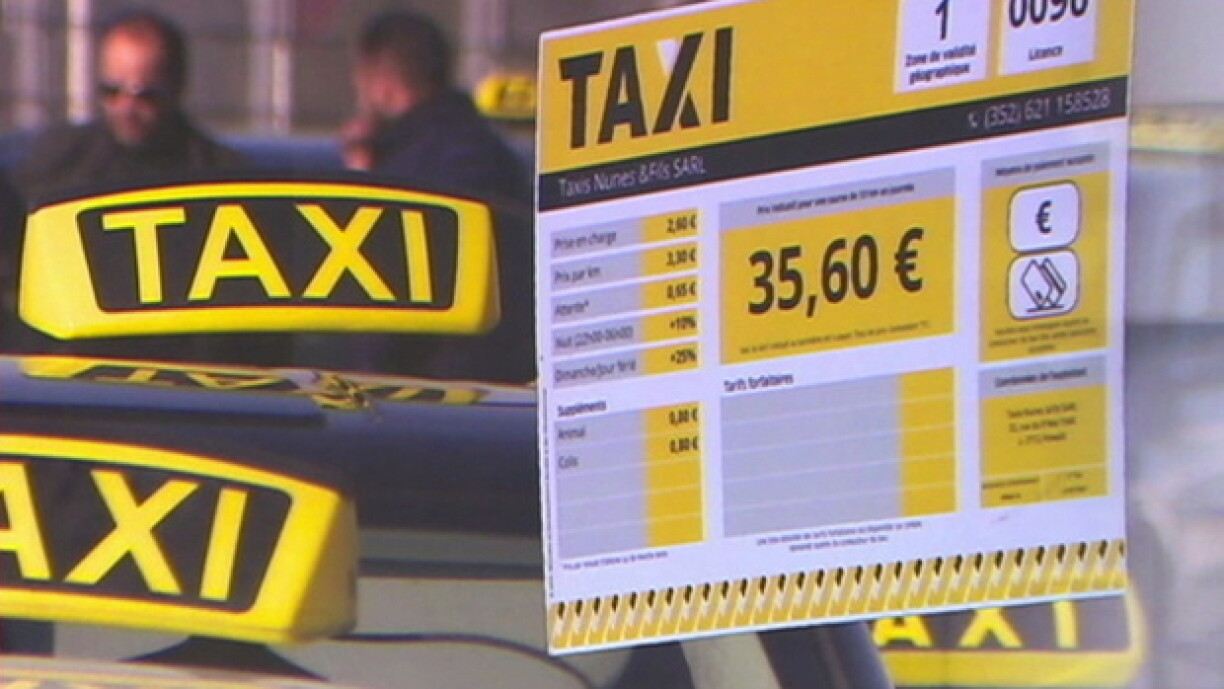
The current state of Luxembourg's taxi situation is a tricky one. Luxembourg is well-known for having the highest taxi tariffs in the EU, which in turn dissuades potential customers. On the flipside, Luxembourg also has strong labour rights and a high minimum wage, both of which the taxi federation cites in justifying their tariffs. A further issue with Luxembourg's taxis is that two large firms seem to share the majority of the market.
Given the complexities of the situation, it does seem difficult to determine how the minister will find common ground with the taxi firms. The minister said explicitly he does not want to come to an agreement with the two firms, highlighting that the taxi market is an open market. He added that the reform would involve a number of measures making the market even more open.
One example is taxi firms with digital offers. In February, the Luxembourgish market happily greeted the arrival of a new taxi application. However, Bausch warned that expanding the market should not occur at the expense of taxi drivers, dismissing the idea of the introduction of "modern slavery." Bausch remained evasive, saying he "did not want to name names" when referring to a particular firm which has "caused a significant amount of misery worldwide" and has consequently been taken to court. At any rate, Bauch dismissed introducing this company to the Grand Duchy, describing this as "undesirable."
Bausch's aim is to modernise taxis in Luxembourg without compromising Luxembourg's labour rights. He highlighted that more and more operators are prepared to participate and offer something more appealing under "fair ground rules", namely labour rights, taxes, and social security.
According to Bausch's plan, this should ideally be incorporated into the reformed legislation. He expressed a "take it or leave it" attitude, explaining that those who participate fairly will continue to succeed, whereas those who do not should not be surprised if they do not survive. Above all, the minister expressed his refusal to wait and "watch for ten years" as certain firms build a monopoly and continue to charge high prices.
The minister has detailed his aims in reforming taxi legislation, but as to the measures we can expect, we will have to wait until the summer.
More speed cameras, less tolerance: Ministry of Mobility presents 2019-2023 road safety action plan
Martin Jonsson: No more Mr Taxi





