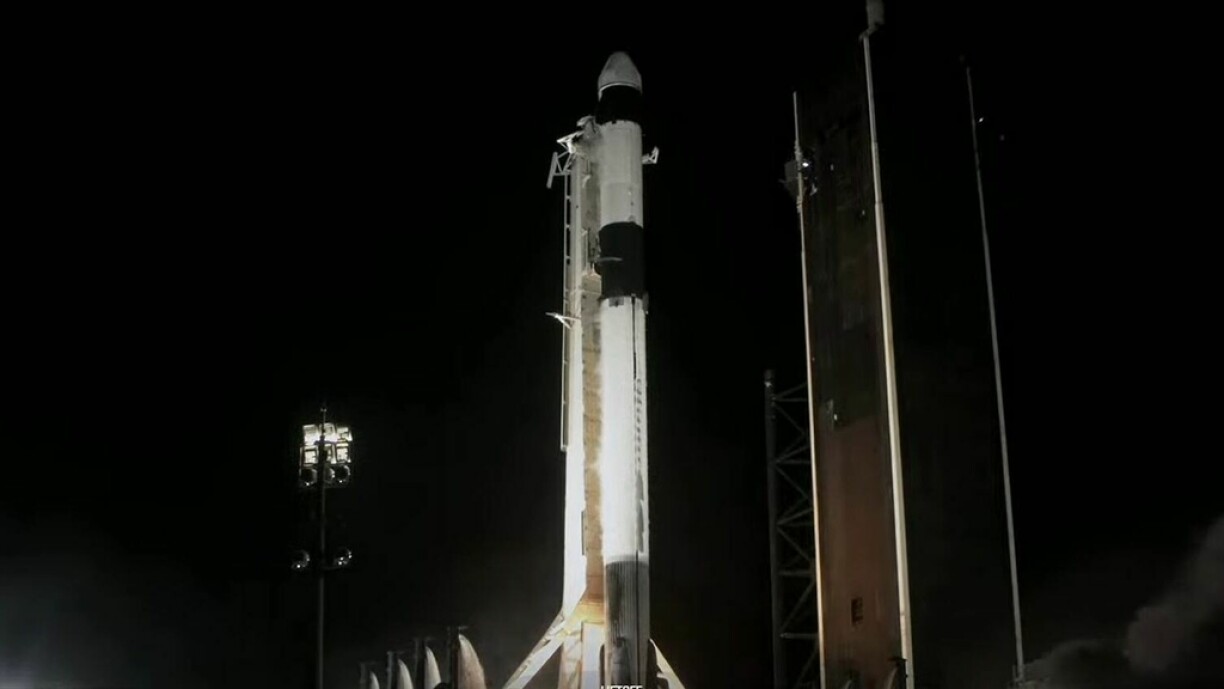
The Falcon9 rocket from SpaceX took off from Cape Canaveral in Florida at 8.30pm local time (1.30am Luxembourg time). As part of the Commercial Resupply Service Programme (CRS) a Cargo-Dragon-Capsule was sent to the International Space Station.
What is the project exactly?
Researchers grouped human skin cells into a 3D model and these cell cultures, also known as organoids, are designed to imitate the human brain.
Team leader and doctoral candidate Elisa Zuccoli explains: "We expect them to grow bigger than they are here on Earth, which will hopefully provide us with an improved structural overview and information on cell structures."
In the long run, the team hopes to use the data to help develop new medication to treat Alzheimer's and Parkinson's disease, among other things.
Since conditions in space significantly differ from those in the lab, the team has to prepare its samples accordingly. Zuccoli notes: "We had to scale down everything and ensure that our cells survive the 30-day spell on the ISS."
A special container carries the samples and regulates conditions so that cells are provided the necessary nutrients and remain at the right temperature (37°C) throughout the journey.





