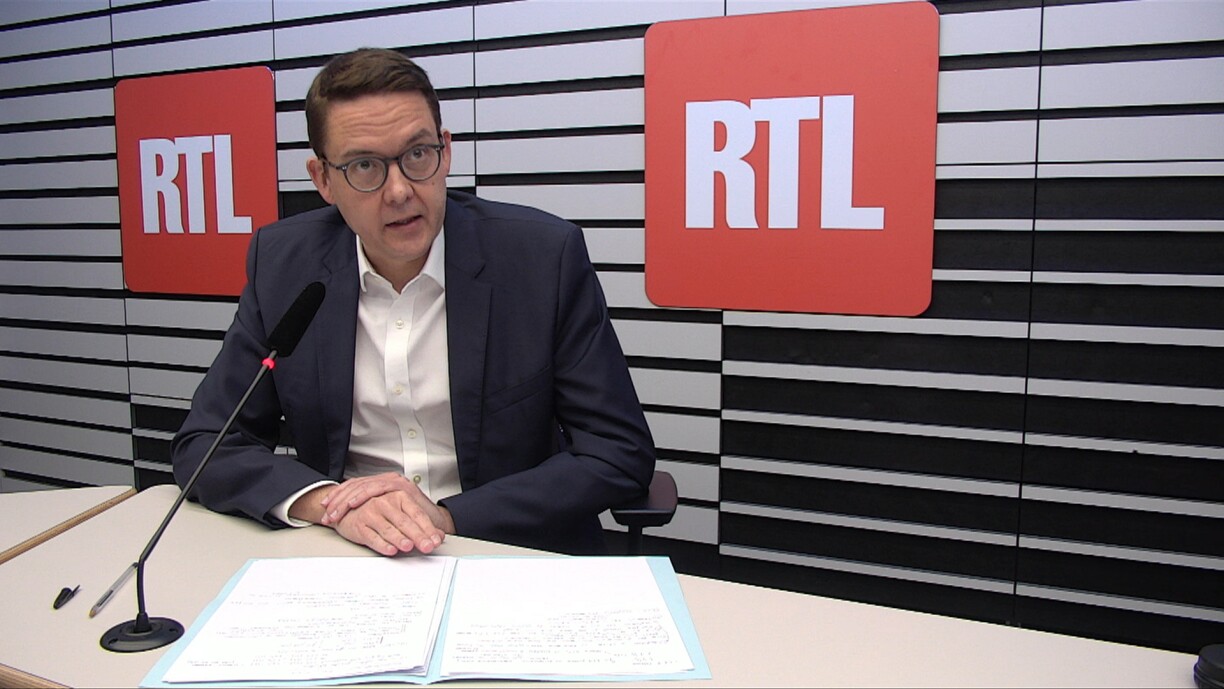
The Chief Economist and Member of the Executive Committee of BGL BNP Paribas expects inflation to peak around mid-2022 before dropping again. According to Nosbusch, the main catalysts behind the inflation are the price increases of energy and food items, and particularly that of oil, but also supply bottlenecks. But Nosbusch does not think that the economy is trapped in a price spiral.
According to the economist, inflation in the Eurozone will increase to 6.5% because "it is true that not all price increases have trickled down yet". Inflation will drop back down to 3% in 2023 for "mechanical reasons". or inflation to remain at the current level, there would have to be further increase either in relation to the oil price or salaries, according to Nosbusch’s analysis. However, there are currently no indicators that would point in that direction, he added, pointing out that salaries in the Eurozone are currently only increasing by 1.5 to 2%.
The measure to reduce taxes on fuel by 7.5 cents that could potentially be accepted by the tripartite on Thursday is "good", according to Nosbusch, because it would limit the price increase of fuel. When confronted with the argument that a higher demand will lead to higher inflation if the offer cannot keep up, the economist said that while this is true, the current inflation is caused by "very specific factors" and demand is actually going down at the moment. For that reason, the economist also thinks that austerity measures are "not a good idea" at the moment.
While Nosbusch acknowledges that the proposal to limit the wage indexation to one indexation per 12 months would reduce purchasing power, he considers it a "good thing" that it would split up salary increases, as this avoids triggering a price spiral.
On the other hand, the Chief Economist of BGL BNP Paribas is sceptical regarding the recommendation of the International Monetary Fund to introduce taxes on large fortunes and revenues. In fact, Nosbusch thinks that "on a global scale" the discussion should actually move towards tax cuts. The economist also pointed out that past experiences have shown that tax increases on large revenues "do not yield a lot of income".
While the economy is not facing a price spiral at the moment, Nosbusch still expects both the US Federal Reserve and the European Central Bank to start increasing interest rates towards the end of the year, with the Fed likely being the first to do so. When asked about "Zombie companies", i.e. companies that have been artificially prevented from going bankrupt thanks to a relaxed monetary policy but risk shutting down once interest rates are increased, Nosbusch stated that the Central Bank will increase the rate "cautiously and progressively".
For those who have taken out a loan, the unexpected inflation is "actually a good thing," the economist pointed out. The reason for this is that salaries will gradually increase while any loans people may have taken out will remain the same amount. On the other hand, the situation is less ideal for those with a lot of money in saving accounts, Nosbusch concluded.





