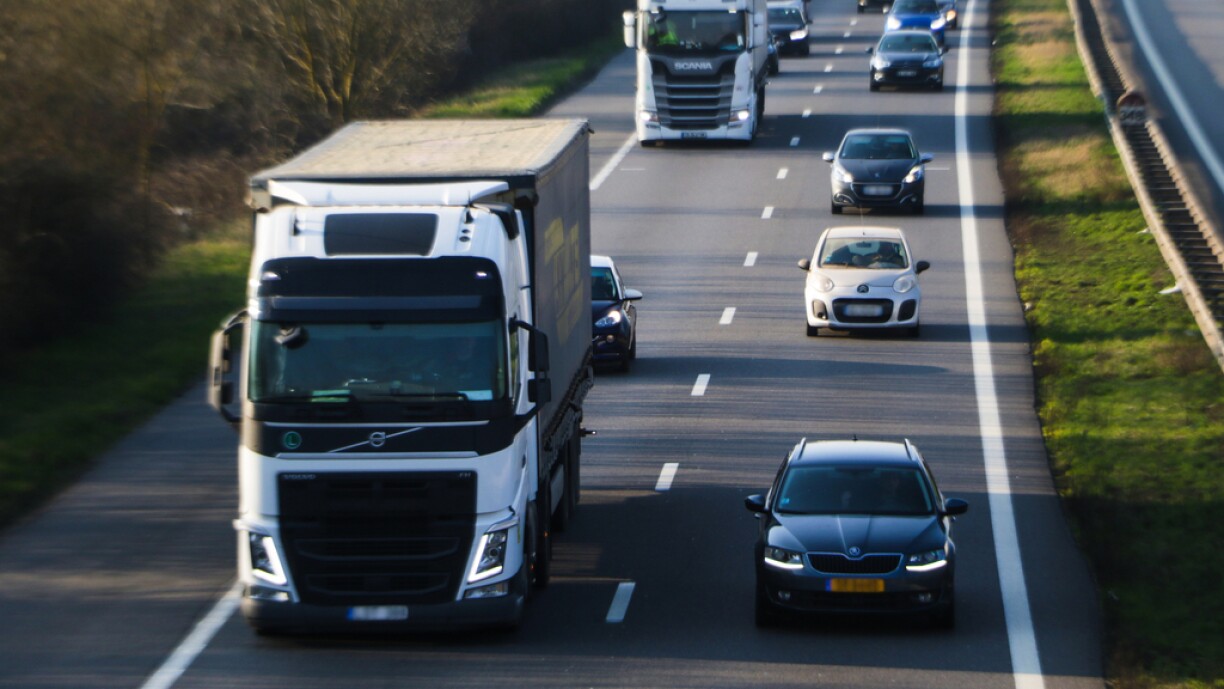
Luxembourg's road safety authorities face mounting questions following Sunday night's fatal wrong-way collision on the A7 motorway, which claimed the life of a prominent local musician.
The incident occurred at around 10.40pm when police received reports of a vehicle travelling southbound in northbound lanes between Mersch and Gosseldange. The subsequent head-on collision proved fatal for 42-year-old "Pascal from Wiltz", a well-known figure in Luxembourg's punk rock scene, who died at the scene.
Emergency services closed the A7 between Lorentzweiler and Mersch for nearly six hours overnight as forensic teams examined the crash site. Both vehicles were impounded as evidence. The wrong-way driver sustained serious injuries and remains hospitalised.
The music community has expressed profound grief over the loss, while others question the lack of official details. Key unknowns include the wrong-way driver's identity and possible impairment, the exact point where the driver entered opposing traffic, and the vehicles' positions at moment of impact.
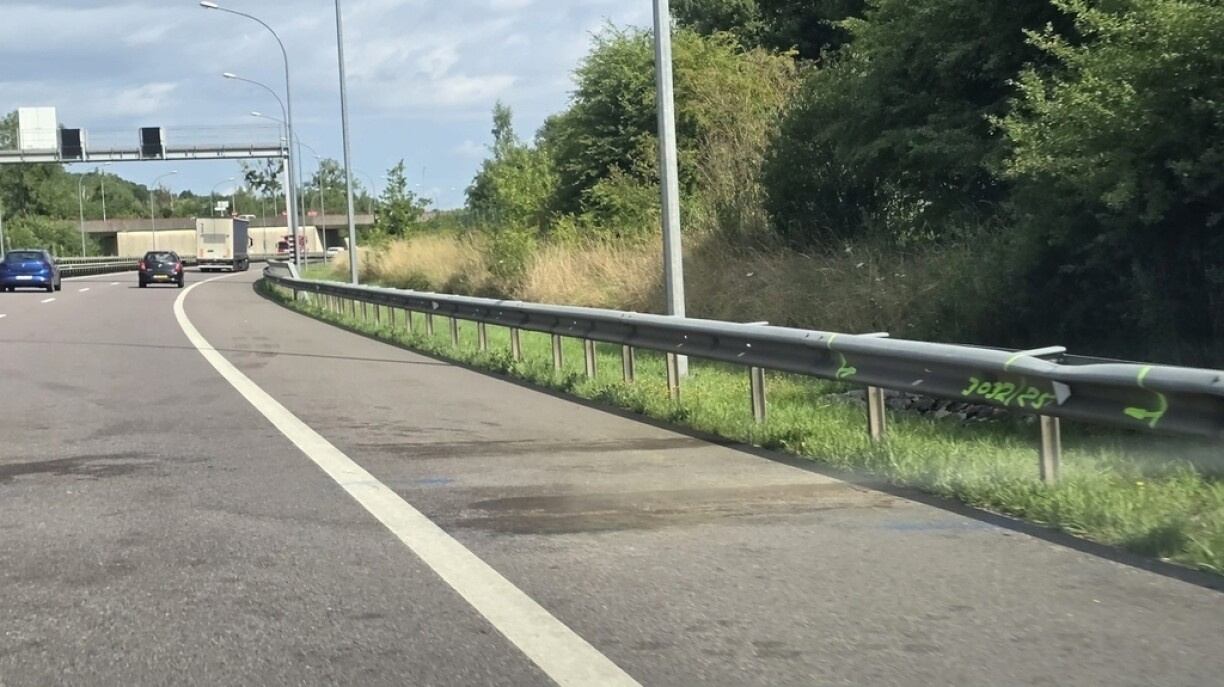
Physical evidence at the scene between Gosseldange tunnel and "Kannerduerf" junction – including darkened pavement, damaged guardrails, and forensic markings – confirms the collision's severity. The National Roads Authority verified the location to RTL.
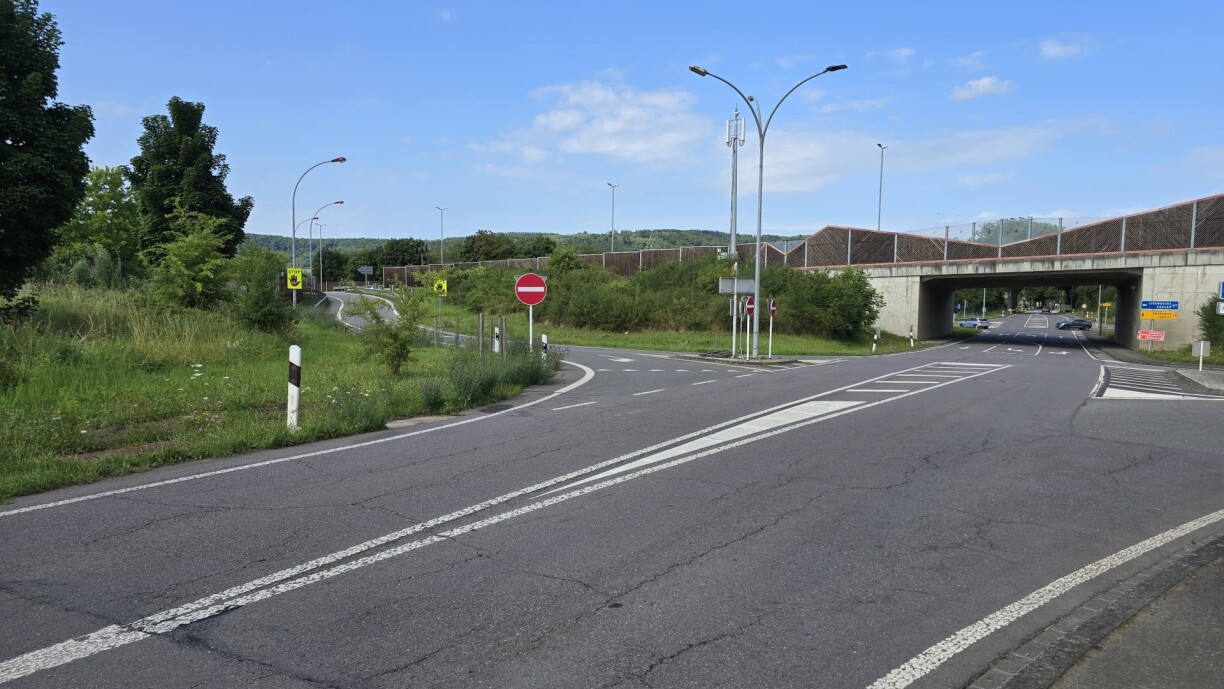
Authorities have yet to determine where the wrong-way driver entered the A7 motorway. Police received alerts at around 10.40pm when the vehicle was spotted near Merscherberg, suggesting possible entry points at either the Merscherberg roundabout or the nearby Mersch/Reckange exit. If they were travelling on Route d'Arlon in Mersch, they could have easily mistaken this exit for an entrance.
While police confirmed to RTL that the collision occurred shortly after the initial report, this timeline does not exclude the possibility that the driver had been travelling the wrong way for some time before being reported. The Motorway Traffic Control and Information Centre (CITA) could theoretically provide crucial evidence, but the National Roads Authority clarified that CITA only streams live footage without recording capabilities.
Judicial authorities have declined to comment further as their investigation into the precise circumstances continues. As of Wednesday midday, officials emphasised it remained premature to share specific findings, despite growing public demand for answers.
RTL has submitted additional enquiries to the Ministry of Mobility regarding existing preventive measures against wrong-way driving, standard protocols for responding to wrong-way driver reports, and historical data on similar incidents in Luxembourg.
While infrastructure solutions to prevent wrong-way driving are periodically debated, implementation challenges have consistently delayed action. Potential measures could complicate emergency access and prove impractical in construction zones where bidirectional traffic flow is temporarily necessary. Maintenance considerations have also contributed to the ongoing postponement of such safety upgrades.
The recent fatal collision has raised urgent questions about proper responses to wrong-way drivers – a scenario every motorist fears. Across Europe, hundreds of such incidents occur annually, often with devastating consequences as seen last weekend.
German authorities record approximately 1,800 wrong-way driver reports each year, according to ADAC data. While many alerts prove precautionary, these situations demand immediate action. Upon hearing a radio alert or spotting an oncoming vehicle, drivers should immediately reduce speed, activate hazard lights, and move to the rightmost lane. Authorities strongly advise exiting the motorway at the first opportunity and contacting police.
For drivers who inadvertently enter opposing traffic, ADAC guidelines prescribe stopping immediately while maintaining headlights and hazards. They should safely pull to the shoulder without reversing or turning, then remain in the vehicle while contacting the police for further instructions.
German statistics indicate wrong-way incidents peak during evenings, weekends, and low-visibility conditions when traffic volume decreases. Many cases involve drivers mistakenly entering exit ramps – a scenario that may mirror Sunday's tragedy near Mersch. The combination of late night driving, weekend timing, light traffic, and challenging tunnel-to-curve topography likely contributed to the unavoidable collision.
As investigations continue, authorities may provide clearer answers about this specific incident.





