For most people, recycling clothes is out of reach. A seam gives way, a stubborn stain sets in, or the style falls out of fashion, and the verdict tends to be the same: straight into the bin. Or a second-hand shop, when the piece has some life left in it. Giving a garment a real second lease of life, though, usually goes no further than ripping up an old t-shirt for use as a cleaning rag.
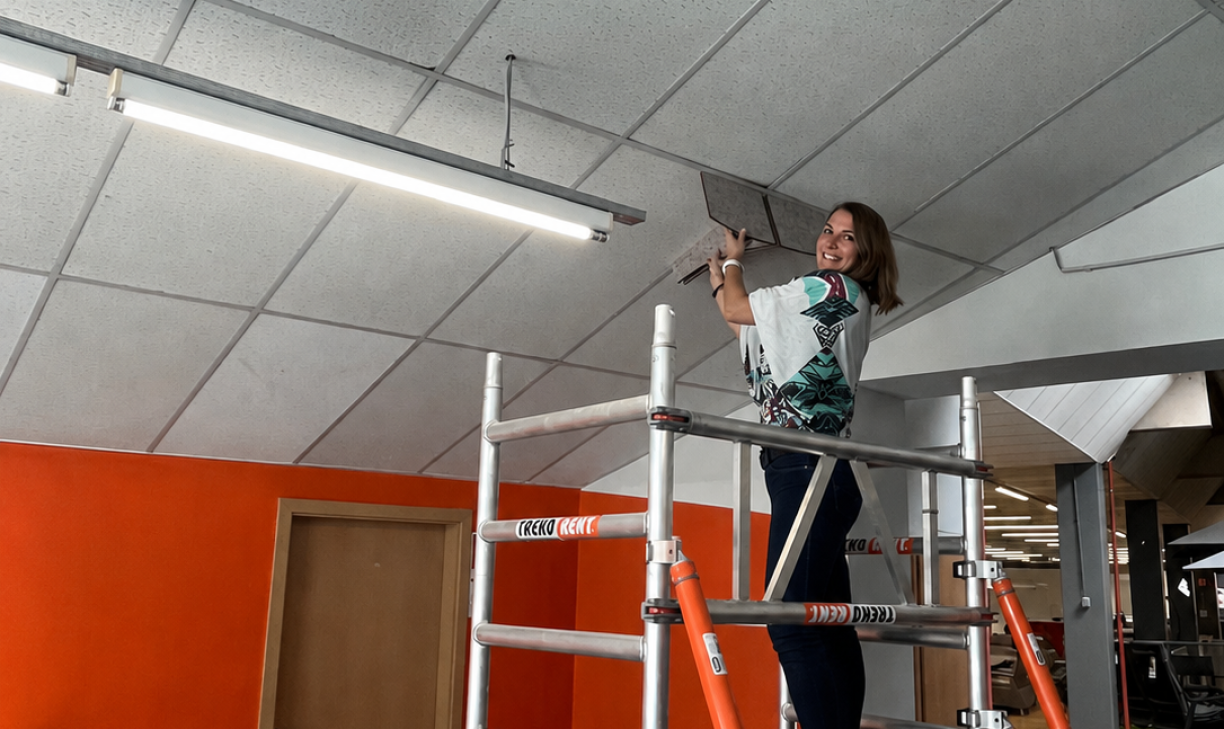
Audrey Schoepfer sees things differently. In this mountain of textile waste, she spots an untapped resource. The Luxembourg-based entrepreneur has built a supply chain that turns those discards into materials that are both sustainable and stylish, from acoustic and thermal panels to promotional items. Her creations are starting to adorn the premises of a number of companies. Foyer Assurances is one example, with its own employees providing the raw materials. Staff, Schoepfer explained, brought in damaged clothes, dresses, curtains and more, which she transformed into stylish acoustic panels, later installed in the insurer's new open-plan office to improve working comfort.
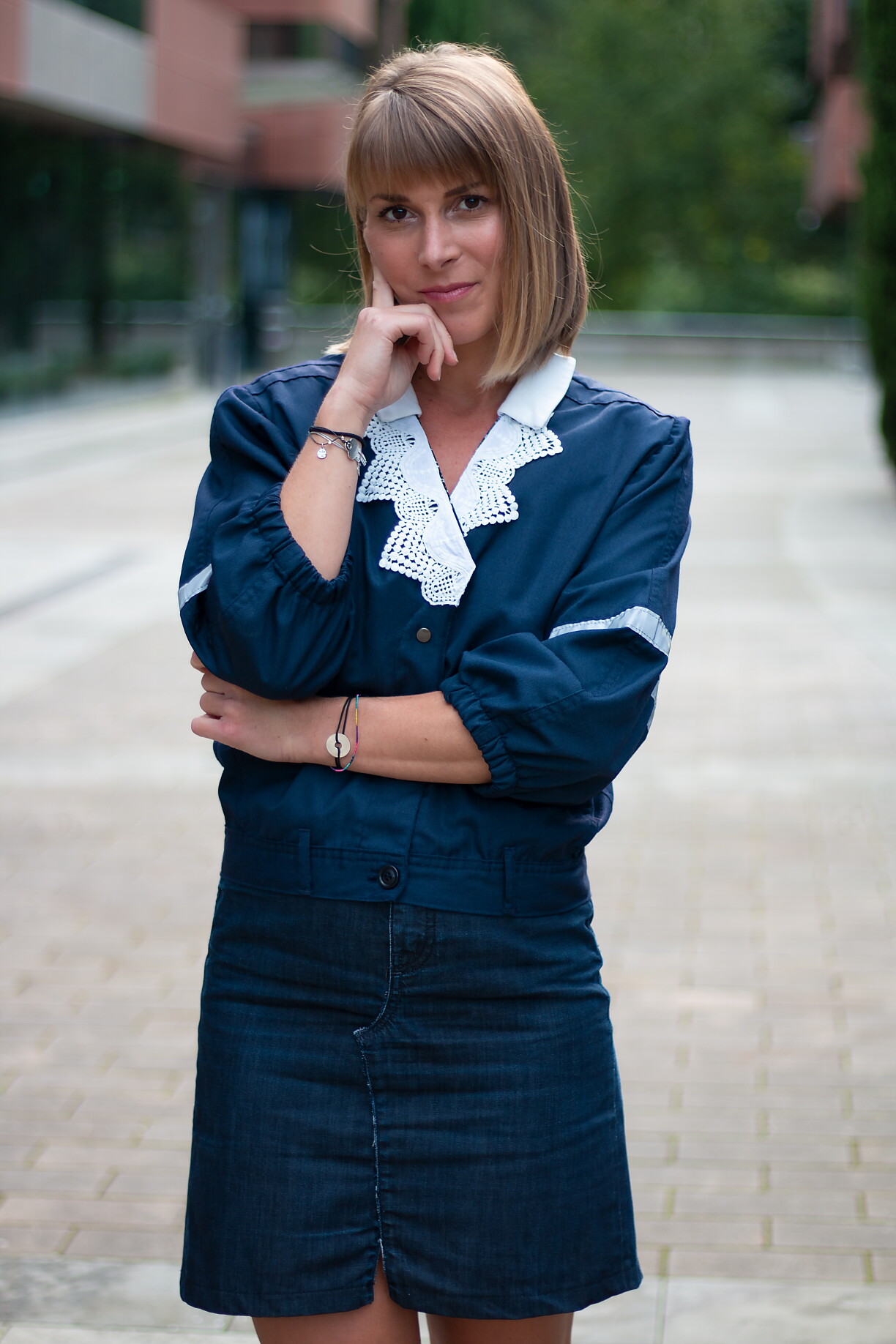
Schoepfer did not fall into this line of work by accident. She has always loved to create, in the broadest sense, she said. A high-school diploma with a focus on drawing was followed by a specialisation in interior architecture in Strasbourg, before the Thionville native returned to Luxembourg to join an SME specialising in office design. An entrepreneur at heart, she quickly set up her first company, ASC Design, to handle interior design projects, before moving back into salaried work as a project manager in interior architecture.
Like many, however, the 2020 lockdown stirred in her the desire to pursue a more personal project.
At that time, Schoepfer said, she felt the urge to draw again and to bring her sewing machine back out. It was while designing clothes that she first came across the concept of upcycling. She had, at the time, no real idea of the enormous impact of the textile industry, she admitted, or of the fact that it ranks as one of the most polluting industries in the world. From that moment on, she said, there was no going back, since she could no longer pretend not to know.
She sorted through her wardrobe and began giving some of her clothes a second life and, above all, a stronger identity. That became the foundation of her new company, Hermana Clothes, founded in 2021. Soon the project took off, and she began organising fashion shows, running workshops and collaborating with the now-defunct Caritas as well as Lët'z Refashion.
Her creations drew praise, as textile recycling tends to, though Schoepfer felt she was running up against a Luxembourg market that was not really compatible with this kind of alternative creation. Her impression, she said, was that in Luxembourg people preferred conventional clothing, in fairly neutral colours such as black, blue or white, whereas what she was offering was just too different.
She took stock and decided to return to the heart of her project, namely the valorisation of textile waste, but on a bigger scale. Upcycling in fashion, she noted, is time-consuming; you cannot turn out large volumes of clothing, and you need high-quality raw materials. So she cast around for outlets that could put the bulk of textile waste to use, and it was then that she discovered such waste could be transformed into materials for interior design, whether thermal or acoustic insulation panels.
Luxembourg gave her a leg up through training programmes that helped her refine her business plan. She quickly realised that this waste was an untapped resource, one that essentially costs nothing since so many companies and individuals are simply looking to get rid of it.
For now, Schoepfer runs Hermana Clothes on her own. Coordinating the collection, design and manufacture of the products, she is on every front at once. In practice, the first step is to collect used clothing in Luxembourg. She recalls a project with Luxembourg airport, where they supplied old uniforms and her company turned them into acoustic wall panels that had to be fire-resistant to meet certifications.
She takes in virtually any type of textile, provided it contains an acceptable mix of natural and synthetic fibres. Elastane-heavy garments, she explained, tend to be difficult to work with. Even fast-fashion clothes, from the likes of Shein, which are often criticised for their poor quality, can be recycled if the composition allows.


Once the non-weavable elements have been removed, from buttons to zips, the raw material is sent to the north of France, to the European Research Centre for Innovative and Sustainable Industrial Textiles (CETI) in Roubaix, to be "frayed" by being chopped and crushed. The garments become, once again, a bundle of fibres that are later pressed into rolls.
For the time being, CETI is the closest solution she has found, though she hopes to bring the process to Luxembourg or nearby. Her dream, she added, is for the products to be "100% made in Lux".
The rolls then return to Luxembourg to be transformed and cut into finished products. Hermana works closely with Solina, an NPO, which has the necessary press to complete the manufacturing stages.
Schoepfer is then able to offer felt panels that can be used for their thermal, acoustic, or purely decorative properties. These panels are not dyed. When a customer wants a particular colour, she obtains it by selecting garments in that same shade, creating tailor-made products in line with the client's needs.
Her products, Schoepfer noted, are not necessarily more expensive than their conventional equivalents, since what she loses in economies of scale, she makes up for through the recovery of raw materials.
She underlines the importance of not throwing clothes into the general waste bin, since these will be incinerated or end up in landfill, whereas dropping them off at a recycling centre or a collection point gives them a chance at a second life.
Her business is developing at a pivotal moment for the textile industry. The European Union, Schoepfer summarised, has adopted new rules aimed at limiting the destruction of textiles.
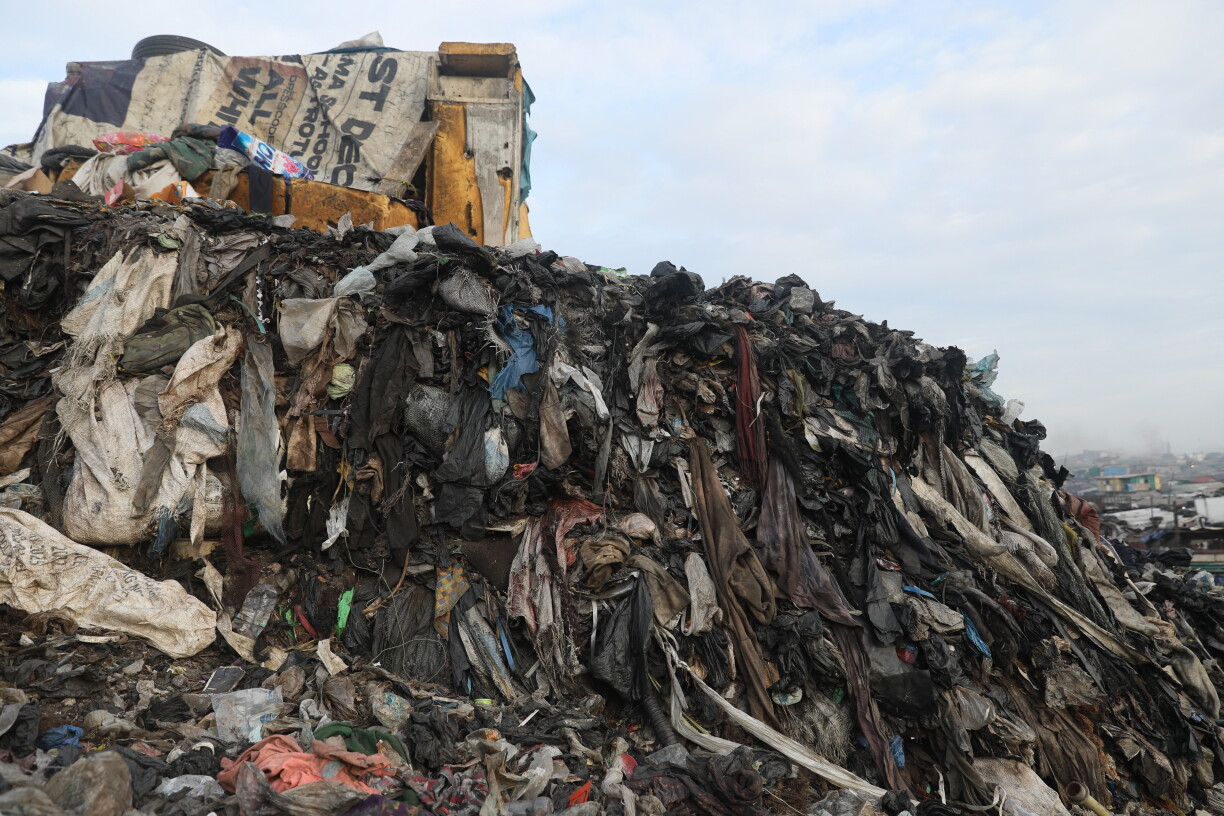
Since July, large companies can no longer destroy unsold clothing or shoes. From 2027, companies will have to make public the volumes of discarded products they generate. On top of that, every member state is required to set up its own Extended Producer Responsibility (EPR) system for textiles and footwear, with fees to be collected and used to finance the collection, reuse, recycling, and disposal of textiles.
The overarching aim is also to prevent the EU from continuing to export millions of tonnes of used textiles each year, mainly to Africa and Asia, where a considerable share ends up in illegal landfills because of their poor quality.
That healthy move, in Schoepfer's view, could help recycling businesses like hers take off, though the root of the problem should not be forgotten, namely the overconsumption of clothing. These are habits deeply ingrained in society, she said, particularly among women, who buy more clothes on average.
When fast fashion offers three dresses for the price of one, she noted, there is another price being paid somewhere. Her aim with upcycling and recycling is also to push back against that, she said, and to encourage buying less but buying better, while becoming more aware of what will be left behind for future generations.





