Alexandre Benalla was sacked following the reveal that he had beaten up a young protester during a May Day demonstration in 2018. The latest charge is that Benalla continues to use his diplomatic passport, although in theory he should have returned it with his dismissal.
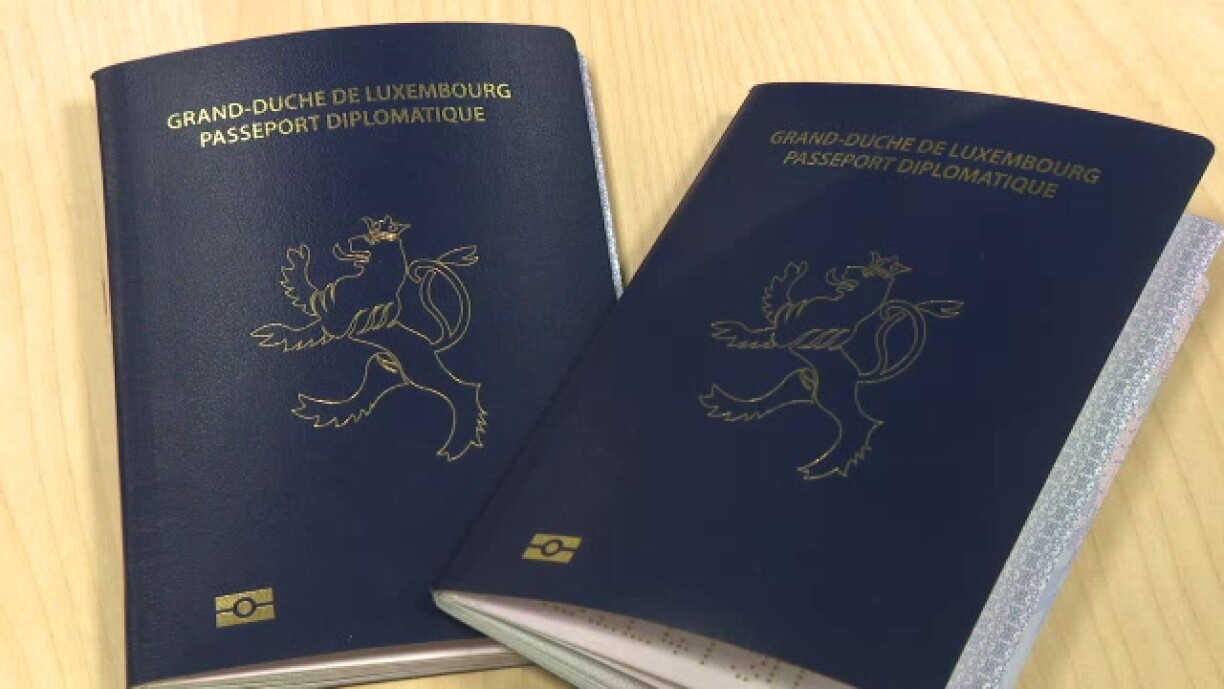
Looking at the Grand Duchy in light of this controversy, how does Luxembourg regulate the use and distribution of diplomatic passports? It should first be stressed that a diplomatic passport is not a fun accessory or a 'get out of jail free' card. Luxembourg's Ministry of Foreign Affairs distributes diplomatic passports, but only for official missions and never for private reasons.
The main purpose of a diplomatic passport is to facilitate official missions and placements abroad. In some countries, even diplomatic passport holders must follow visa procedures.
Those granted with diplomatic passports in the Grand Duchy include, most obviously, the Grand Duke and members of his family, the prime minister and other ministers, and members of parliament. Other passport holders are ambassadors, diplomatic agents and other officials who represent the Grand Duchy's interests.
Other jobs that have more specific roles do not necessarily mean that the jobholders get diplomatic passports. Instead, these people receive a so-called service passport, which does not provide any diplomatic immunity.
A diplomatic passport is closely linked to duty, which is why the Alexandre Benalla affair is causing so much controversy. Despite his dismissal as security officer and deputy chief of staff, Benalla continued to travel using this passport. Macron is having to answer the question of whether Benalla received preferential treatment.
In Luxembourg, there are currently between 700 and 800 diplomatic passports in circulation. Upon inquiry, the ministry was clear in its response. As soon as an agent changes their job, they must return the passport. The ministry carefully monitors the distribution and return of passports. A Luxembourgish diplomatic passport is only valid for at most five years at a time.





