Energy prices and the government's response to rising costs sparked heated discussions in the Chamber of Deputies on Tuesday afternoon.
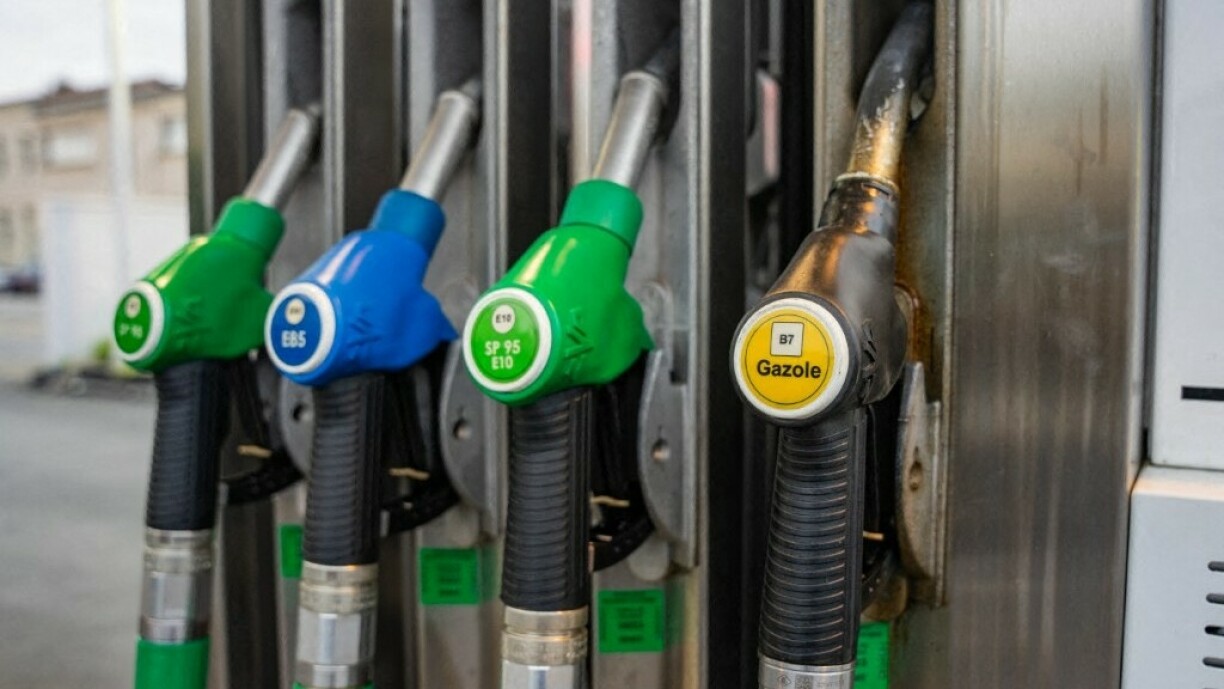
The debate, requested by the Left Party (Déi Lénk), comes as consumers feel the impact at the pump. Petrol prices have increased due to the conflict in Iran, with similar effects being felt for gas and, with a delay, likely for electricity as well.
Addressing the chamber, MP David Wagner of the Left Party argued that the majority of people in Europe, including in Luxembourg, are being forced to simply "swallow this bitter pill and pay up", a situation he described as unjust. Wagner lamented that Luxembourg residents are caught in an "energy trap", pointing out that 75% of energy consumption still comes from fossil sources and that only 40,000 of the country's 460,000 registered vehicles are electric.
"The transformation of our energy systems is not progressing fast enough", Wagner criticised, arguing that this slow transition leaves the country highly vulnerable to price spikes. He further claimed that the current government makes no secret of its intention to scale back climate protection efforts, even though current spending on such measures is already "completely inadequate".
This line of argument was echoed by members of the Green Party (Déi Gréng) and the Luxembourg Socialist Workers' Party (LSAP).
However, MP Tom Weidig of the Alternative Democratic Reform Party (ADR) placed the blame for the current situation squarely on those same parties, along with the Christian Social People's Party (CSV) and the Democratic Party (DP). "Now we have yet another crisis, and you're left standing there exposed with your irrational energy policy", Weidig said.
The ADR advocates for an energy mix that would include nuclear power, a stance that drew immediate criticism from across the political spectrum. All other parties spoke out in favour of increased investment in renewable energies and against nuclear energy.
CSV MP Jeff Boonen offered a different perspective on the crisis, noting that only a small quantity of Europe's oil passes through the now-blocked Strait of Hormuz. With reserves currently full, Boonen suggested the issue is not one of supply shortages but rather market speculation. "We shouldn't have a panic reaction here", he warned, advising that Luxembourg should monitor the situation using the tools and mechanisms at its disposal. "We are optimistic that we will get through this crisis", he concluded.
The LSAP, aligning with other left-leaning parties, stressed the urgent need for action, particularly for lower-income households. MP Georges Engel called for the energy roundtable with the social partners to convene immediately. Should the government be unwilling to do so, Engel argued it must then call a tripartite meeting.
Referencing Prime Minister Luc Frieden's frequent assertion that tripartite talks should only be held in times of crisis, Engel listed the concurrent crises affecting the labour market, major employers, the steel industry, and the energy market. "If these aren't crises", he asked, "what else has to happen?"
Speaking on behalf of the government, DP MP Carole Hartmann defended its record, stressing how much is already being done for the public. She pushed back against criticism, stating, "I find it fundamentally dishonest to claim the absolute opposite here". Hartmann pointed out that the state covers €150 million in electricity grid investments – a measure she noted supports every household and business automatically, as the relief is applied directly to electricity bills without the need for an application. She also highlighted that the energy allowance for lower-income households has been tripled.
Her party colleague and Energy Minister Lex Delles advised against speculation on future energy price developments. However, he pledged that if the situation continues to deteriorate, the government stands ready to implement socially targeted measures to counteract the trend and provide assistance.
MP Marc Goergen of the Pirate Party offered a geopolitical perspective, pointing out that US President Donald Trump has no interest in seeing prices fall. With oil at $105 a barrel, Goergen noted that both the United States and Russia stand to profit significantly. He framed this as a major disadvantage of the current situation, warning that "the Russian war chest is being refilled by this whole situation, which cannot be in the interest of the EU and Luxembourg at all."





