Here are five things you should know at the end of this week:

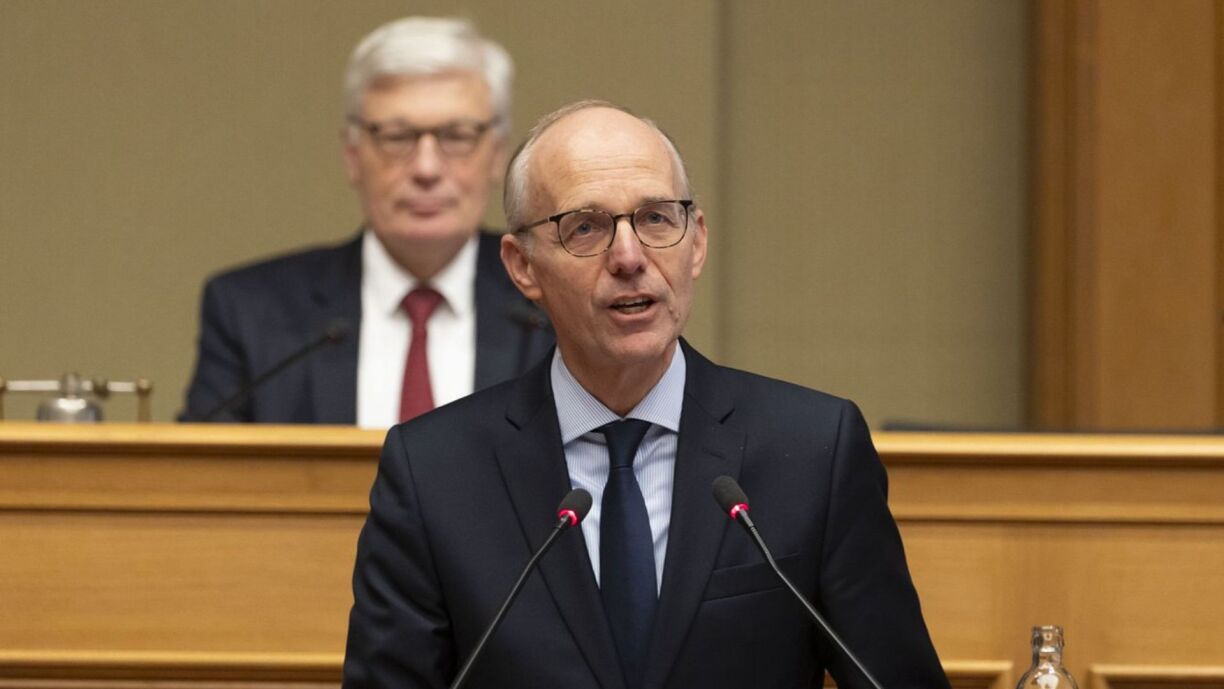
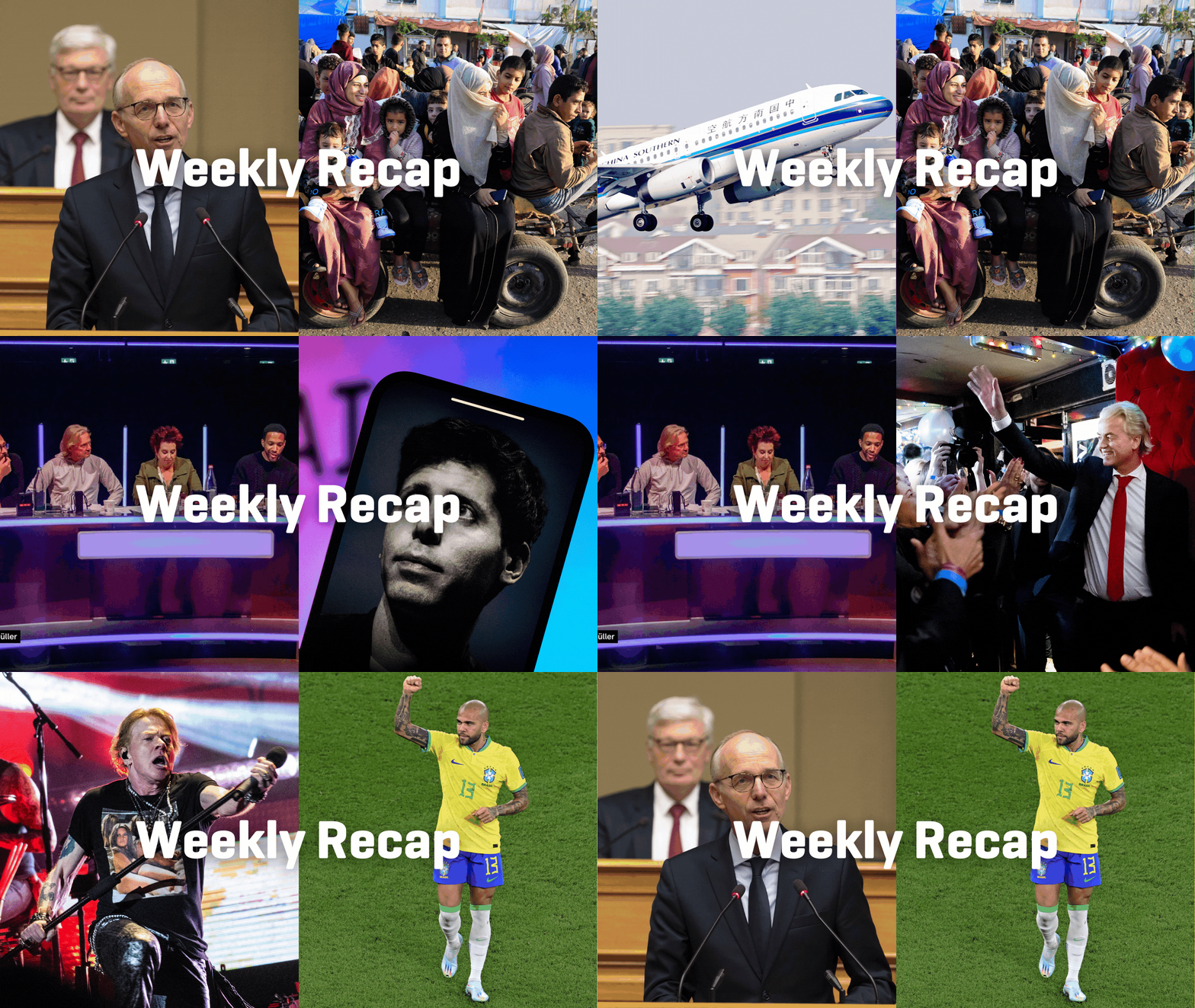
Prime Minister Luc Frieden delivered his inaugural speech focusing on policies for economic growth, social cohesion, and the modernisation of Luxembourg, committing to no wealth or inheritance tax and proposing a single tax class.
Fiscal reforms on the horizon - PM Frieden's inaugural address to Luxembourg's Chamber of Deputies was anchored in presenting a vision for a unified and progressive nation, with a strong emphasis on a centrist coalition. Frieden laid out key policy priorities, including enhancing social cohesion, promoting economic development, and advancing the nation's digital and environmental infrastructure.
He highlighted the government's plans to maintain financial attractiveness for foreign workers and to avoid imposing wealth and inheritance taxes. Moreover, Frieden's commitment to a single tax class aims to simplify the tax system and is set to be a significant fiscal reform for the country.
Apprehensive opposition - The reaction from the opposition to Frieden's speech was one of skepticism and concern. They criticised the Prime Minister for delivering a speech that was high on rhetoric but low on substance, particularly pointing out the lack of clarity on the financial underpinnings of the government's spending plans.
There were apprehensions about the impact of proposed tax cuts on social equity, with fears that such fiscal policies might favour the wealthy and exacerbate social disparities. The opposition also questioned the government's reliance on private market solutions to the housing crisis, which they believe have been ineffective in the past.
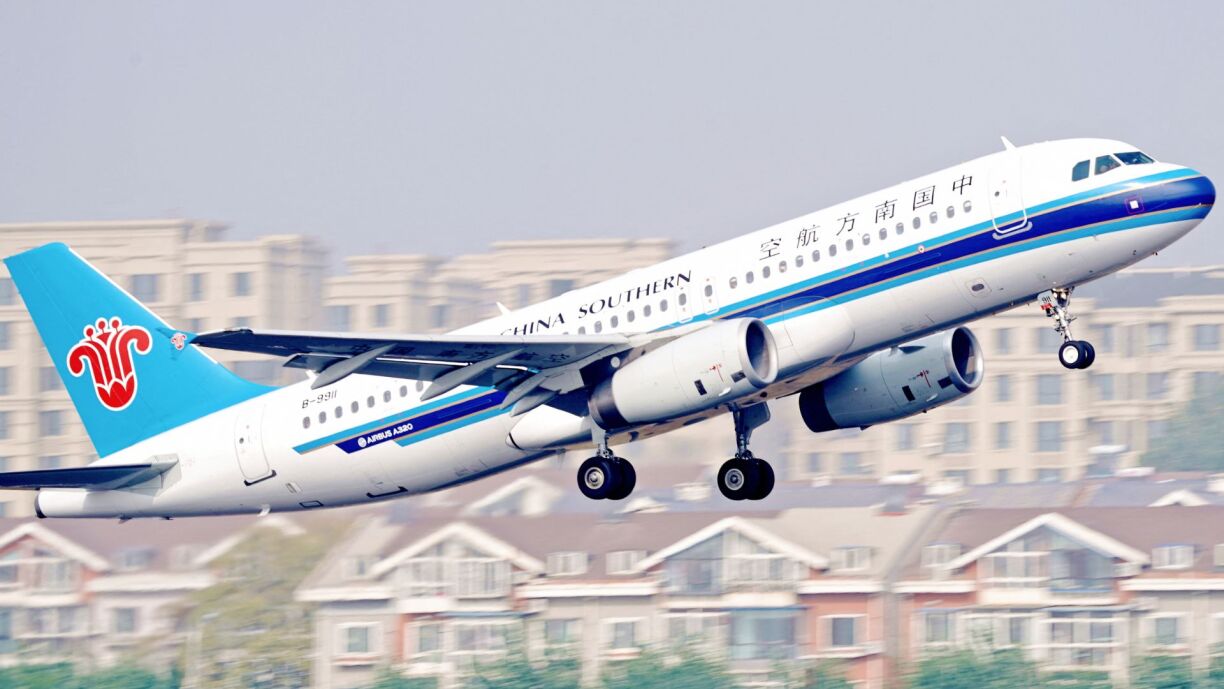
Luxembourg's Findel airport is preparing for its first direct passenger flight from Zhengzhou, China, operated by China Southern Airlines, building on a decade-long successful cargo flight partnership.
The inaugural flight is planned for 21 December, with potential concerns over profitability and the absence of an official announcement on the airport's website.
The new route will feature weekly flights with an Airbus A350-900, with all passengers undergoing screening in a designated non-Schengen area at Findel airport.
From cargo to passenger flights - Findel airport is on the cusp of a historic event as it gears up to welcome the first direct passenger flight from Zhengzhou in China, courtesy of China Southern Airlines. This milestone is the fruition of longstanding ties that began nearly a decade ago when a Chinese investment group acquired a stake in a Luxembourgish cargo airline.
The relationship has been flourishing with regular cargo flights, and the new passenger service is set to further cement this economic and cultural exchange. Approximately 340 passengers are expected on the inaugural flight, underscoring the importance of this new air bridge between the two countries.
Questionable viability - Despite the excitement surrounding the first direct flight, there is an air of caution due to the lack of an official announcement on the airport's website, which might indicate uncertainty about the route's viability. The potential for cancellation looms if the airline does not find the connection profitable, especially given the challenges that the aviation industry has faced during the pandemic.
Record distance - An Airbus A350-900, known for its range and comfort, will be used for the weekly flights, indicating the route's ambition and scale. The passengers, numbering around 314 per flight, will be processed through a specially designated non-Schengen area at Findel Airport, which shows the airport's commitment to managing international traffic while adhering to security and immigration protocols. This route will not only be a record-setter for Luxembourg's airport in terms of distance, but also represents a significant investment in the airport's capacity to handle long-haul international travel.
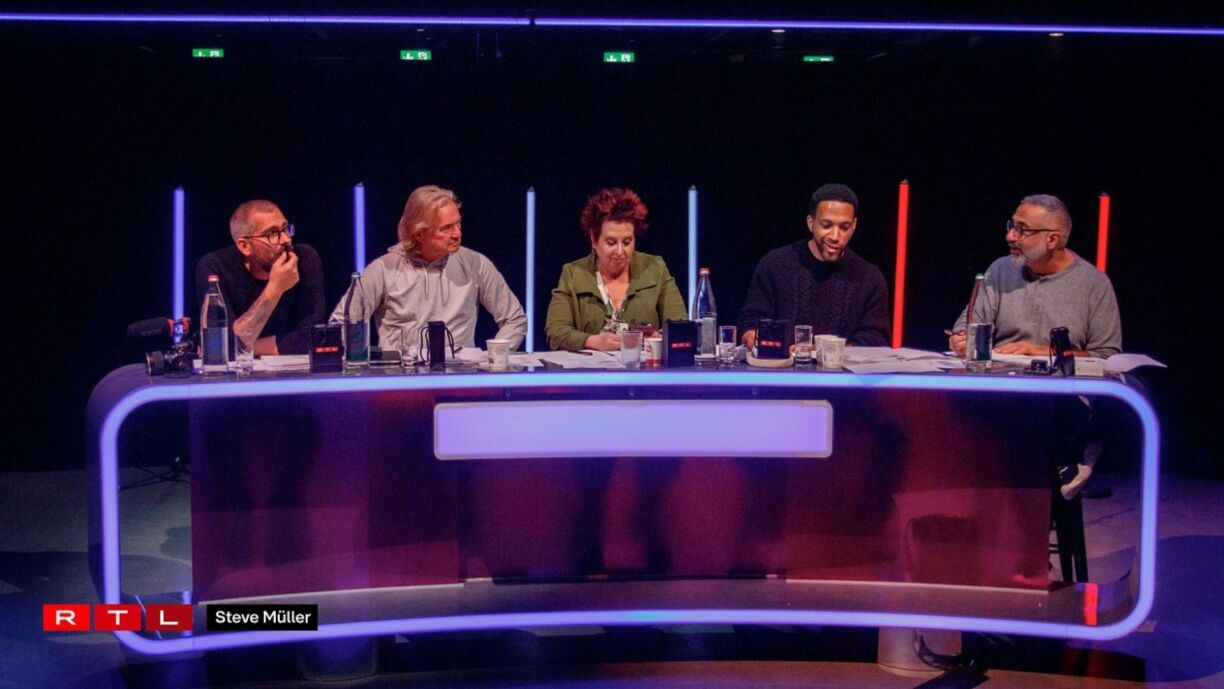
Luxembourg is continuing with auditions for its first Eurovision Song Contest participation in 30 years, with an international jury evaluating candidates to represent the country.
The auditions have seen a mix of nerves and confidence among participants, with varied backgrounds from theatre to established musicians.
The audition process will continue into early December, leading to a televised show where the public will vote, with the next round scheduled for 27 January.
High-pressure event - During the auditions, a variety of artists took to the stage, each with ten minutes to prove they have what it takes to represent Luxembourg on the Eurovision stage. The pressure of the auditions has been palpable, with some artists facing intense nerves and needing multiple attempts to deliver a successful performance.
Democratic vote - The process of selecting Luxembourg's representative is not a sprint but a marathon, stretching into early December when a shortlist will be announced for a live television show. This will culminate in a public vote on 27 January, where viewers will have the opportunity to choose their favorite act. This extended timeline allows for a thorough and democratic selection process, giving the public a voice in who will take the stage at Eurovision to represent Luxembourg's storied legacy in the contest.
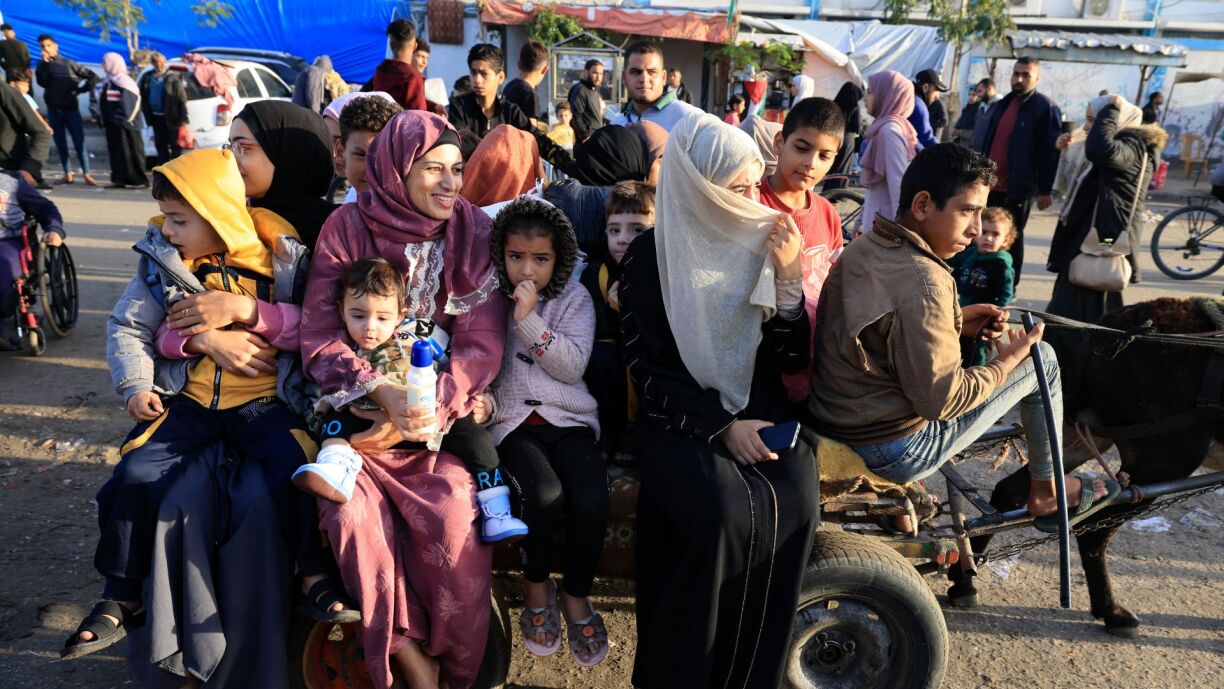
A four-day truce between Israel and Hamas commenced on Friday morning, allowing for the exchange of hostages and prisoners, aiming to halt seven weeks of conflict that has caused significant casualties and displacement.
The ceasefire agreement stipulates the release of at least 50 hostages out of an estimated 240 held by Palestinian militants and the freeing of 150 Palestinian prisoners from Israeli jails.
The truce is welcomed globally, but with cautious optimism, as both Israeli and Palestinian officials hint at its temporary nature, and regional tensions remain with ongoing hostilities and fatalities reported in the surrounding areas.
Momentary reprieve - The initiation of a four-day truce between Israel and Hamas marks a significant pause in a prolonged and devastating conflict that has lasted for seven weeks. The truce offers a momentary reprieve for the affected populations, providing an opportunity to address immediate humanitarian needs and potentially paving the way for more sustained peace negotiations.
Reciprocal release - Central to the ceasefire agreement is the exchange of hostages and prisoners between Israel and Hamas, reflecting a critical aspect of the negotiations facilitated by Qatari mediators. Over the duration of the truce, at least 50 hostages are expected to be released from the custody of Palestinian militants. This release represents a significant proportion of the estimated 240 people abducted during cross-border attacks by Hamas.
In a reciprocal gesture, Israel is set to free 150 Palestinian prisoners. This exchange is a complex and sensitive component of the truce, involving intricate coordination and international oversight, including the involvement of the International Red Cross and Egyptian officials.
Ongoing tensions - The global response to the truce has been one of cautious optimism, recognising the potential for this temporary ceasefire to lead to a more lasting resolution. However, there remains an undercurrent of realism, acknowledging the fragile nature of the situation.
Both Israeli and Palestinian officials have indicated that the truce might be short-lived, with the potential for hostilities to resume. The ongoing regional tensions are evident, with reports of continued rocket alarms in Israeli communities and restrictions on movements within Gaza.
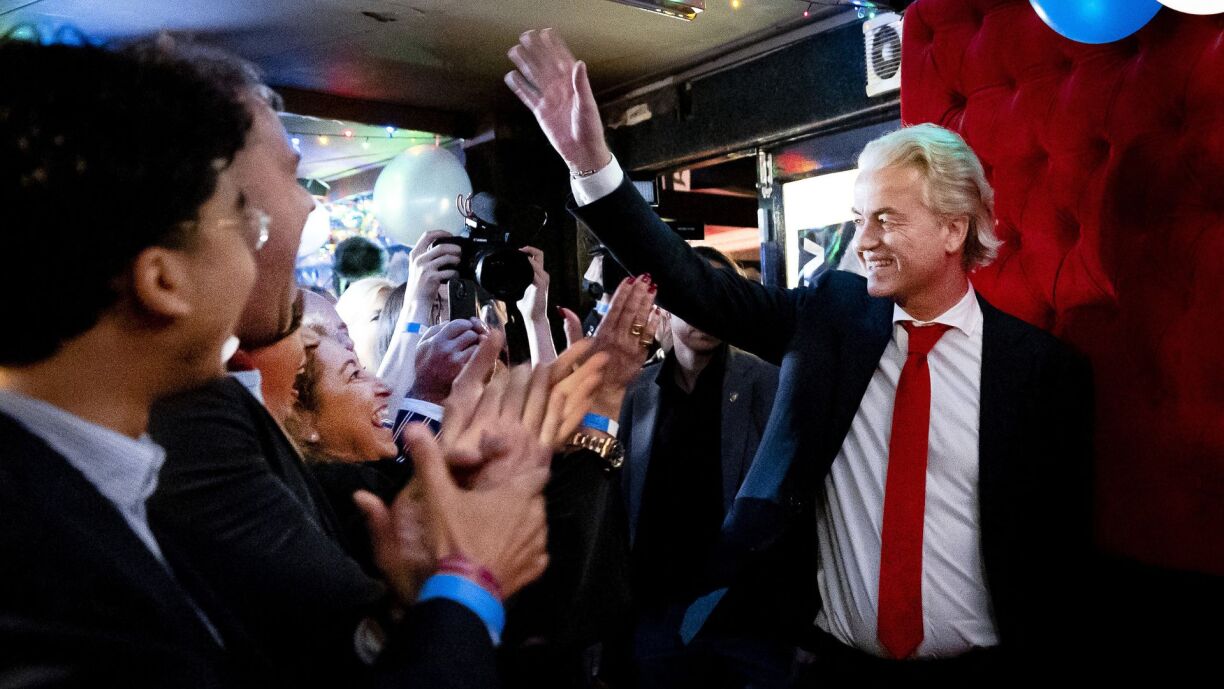
Geert Wilders' far-right PVV party has won 35 seats in the Dutch elections, potentially shifting the country to the right with his anti-Islam and anti-EU stance, although it is uncertain if he can form a government.
Wilders' campaign, which focused on reducing immigration and leaving the EU, resonated with voters despite his controversial views on Islam and previous legal issues.
Despite other parties' reluctance to form a coalition with the PVV, the election results indicate a significant political change in the Netherlands, with Wilders promising to prioritise national interests.
Government formation uncertain - Geert Wilders and his far-right PVV party have secured a victory by winning 37 seats in the Dutch parliament, signalling a stark shift towards right-wing policies in the Netherlands. This outcome reflects a significant endorsement of Wilders' staunch anti-Islam and anti-EU platform.
However, the formation of a government remains uncertain as Wilders' potential to lead a coalition is doubtful due to the reluctance of other parties to align with the PVV's extreme stance. The election results have caused a stir in the EU, with the possibility of a 'Nexit' referendum bringing Wilders' Eurosceptic position into the spotlight.
Who is Wilders? - The electoral success of Wilders underscores a resonating sentiment among Dutch voters towards stringent immigration controls and skepticism of the EU. Wilders, often compared to Donald Trump for his populist rhetoric and polarising views, has captured the attention of the electorate by addressing the current immigration wave and the cost-of-living crisis as major concerns.
While he has faced legal challenges and widespread criticism for his discriminatory remarks, particularly against Moroccans and Muslims, his softened campaign promises have not entirely overshadowed his party's radical manifesto which includes proposals to ban Islamic symbols and schools.
Business & Tech - Sam Altman's shock return as chief executive of OpenAI late Tuesday, days after being sacked, caps a chaotic period that highlighted deep tensions at the heart of the Artificial Intelligence community.
Science & Environment - Indonesia on Tuesday launched an investment plan to attract $20 billion pledged by Western nations in a renewable energy transition pact agreed last year for the archipelago to slash emissions and wean itself off coal.https://today.rtl.lu/news/world/a/2066108.html
Entertainment -Guns N' Roses frontman Axl Rose has been accused of sexually assaulting a woman in 1989, according to a court filing reported by US media and seen by AFP on Wednesday.
Winter months - Hall 7 at the LuxExpo exhibition centre has been converted into temporary accommodation for refugees living in tents at the Tony Rollmann centre.
Joint venture - Six Luxembourg banks – Spuerkeess, BIL, BGL BNP Paribas, Raiffeisen, POST, and ING – have announced plans to merge their ATM networks by 2025.https://today.rtl.lu/news/world/a/2066108.html
€52 million deficit anticipated - According to the most recent calculations, the National Health Fund (CNS) expects it will be unable to cover costs through contributions next year.

Your Weekly Recap is published every Friday at noon. Read earlier versions.





