Here are five things you should know at the end of this week:
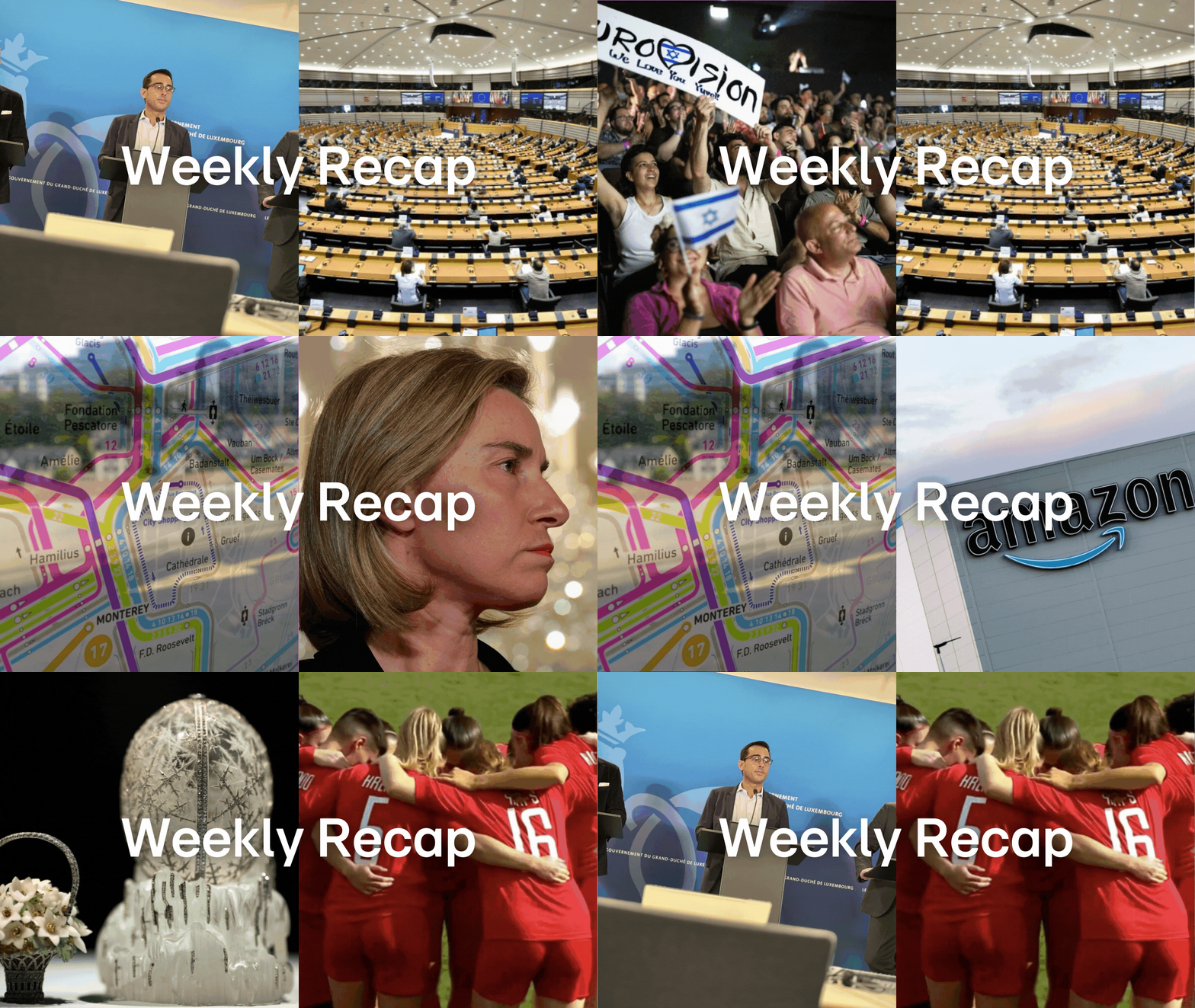
Ambitious strategy – Luxembourg has officially introduced its first-ever National Action Plan against racism, with a programme featuring no less than 23 objectives and 119 concrete measures.
The plan seeks to build a more inclusive society by strengthening tools to detect, report, and prevent discrimination, especially in areas where people of colour face the highest levels of exclusion: education, employment, and housing.
Direct support – A key element to the plan is the creation of a referral services where victims of racism can get legal guidance and support when filing formal complaints.
In addition, a digital platform set to launch in 2026 will act as a universal resource for citizens looking to learn about or access legislation, complaint mechanisms, and support services.
Tangible measures – Awareness campaigns and training for professionals will be rolled out across public services, as well as in particularly high-risk areas. In employment, staff of the Employment Development Agency (ADEM) will be specially trained, and the Labour Inspectorate (ITM) will be tasked with pursuing cases of discrimination, passing them on to the public prosecutor if necessary. In housing, the Housing Observatory will now monitor racism explicitly, as officials highlighted ongoing discrimination based on skin colour or origin in the rental market.

Amazon talks kick off – Formal consultations between Amazon Luxembourg and employee representatives started on Monday, as what unions are calling one of the most serious labour disputes in recent memory.
The talks follow recent reports that up to 470 jobs may be at risk as part of a wider global restructuring at the tech giant. Only last month, PM Luc Frieden had visited Amazon representatives in the US to consolidate a close working relationship.
'Great fear' among staff – Labour Minister Georges Mischo, who met with the employee delegation that same morning, described a sense of fear and uncertainty within the group. "It was a very, very difficult meeting", he told RTL, noting the emotional toll of entering negotiations over potential job losses with the holidays approaching. He added that some delegates worry 470 job cuts may only be the beginning.
Support measures underway – Negotiations are expected to conclude by 15 December, with union representatives, their legal advisors, and Amazon management now in active talks.
Mischo has called for immediate support measures, including the transfer of staff profiles to ADEM and potentially a dedicated job day. He also left open the possibility of convening an extraordinary session of the Conjuncture Committee if needed.
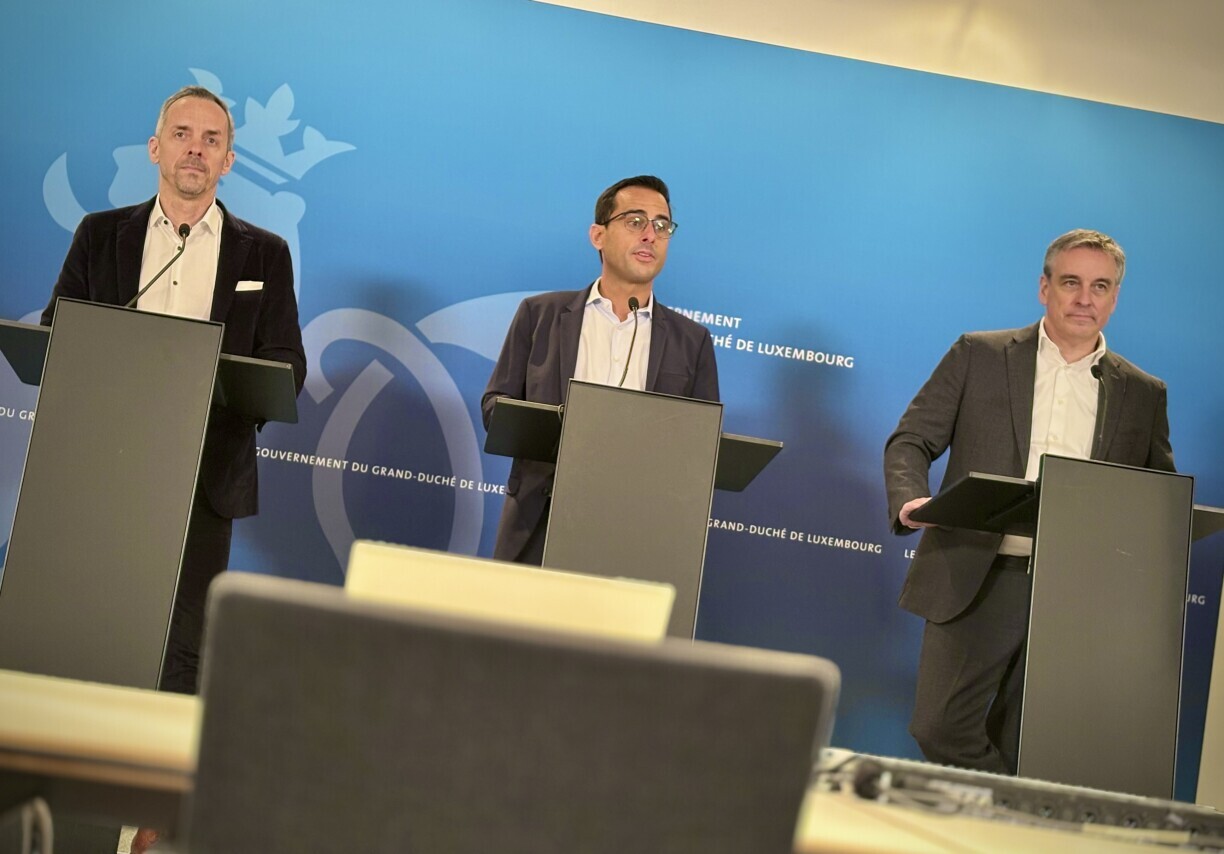
Advisory body meets – The Council of State, a constitutional advisory body made up of 21 appointed councillors, published two highly anticipated opinions on Tuesday.
The Council, whose role it is to assess all bills and draft regulations from the government and parliament, plays a key role in the Grand Duchy's legislative process by monitoring coherence and constitutional compliance.
Green light on Sundays – The council issued no formal objections to the government's plan to liberalise Sunday working rules, allowing the draft to move forward to a parliamentary vote.
Under the proposed changes, small retailers with up to 30 employees could extend staff hours on Sundays from four to eight, while larger companies would require collective agreements, or use a limited six-Sunday exception.
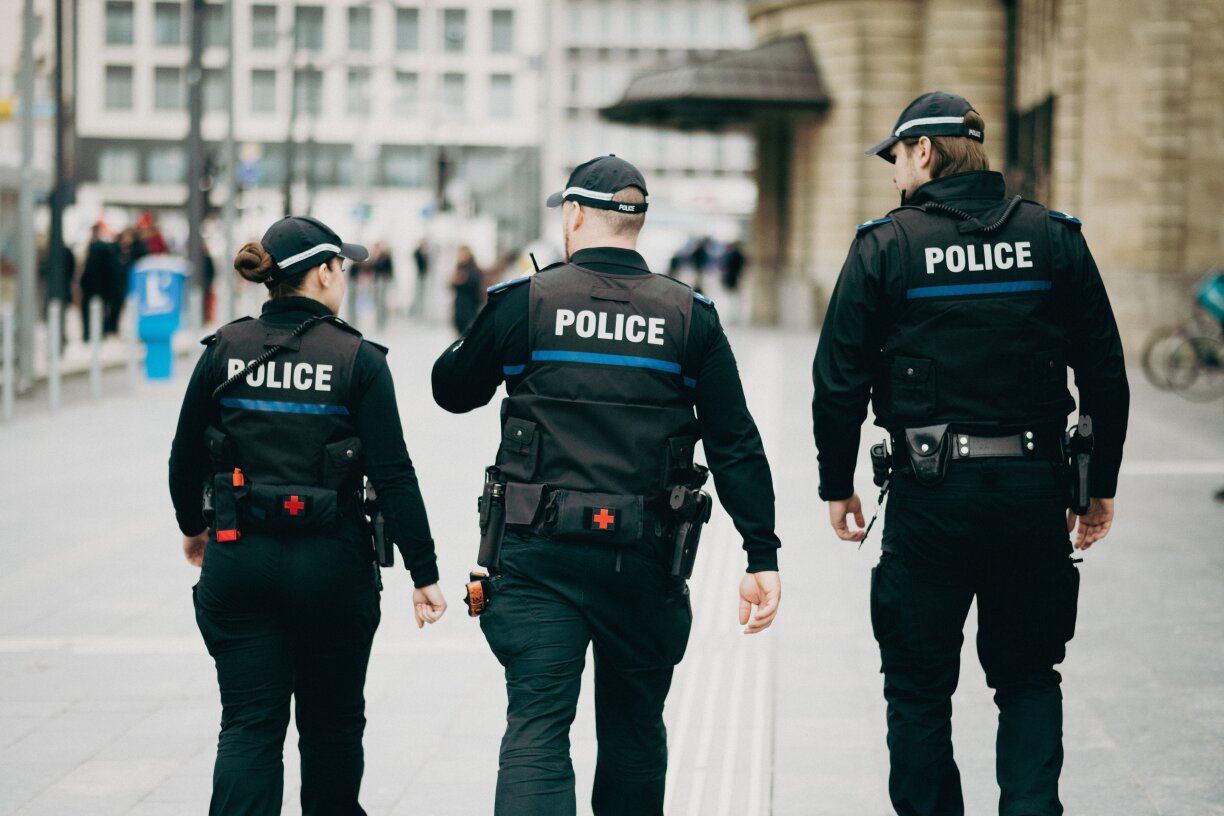
Additional opinion issued – It did, however, reject the latest version of the government's so-called "Platzverweis" bill for a second time, citing persistent legal vagueness.
The proposed law would expand police dispersal powers, but the Council warned that the terms used, such as "threats to public health" or "tranquillity", remain too vague, while the role of mayors in authorising dispersals is unclear. The Ministry of Home Affairs now has to rework the text before a vote can take place.
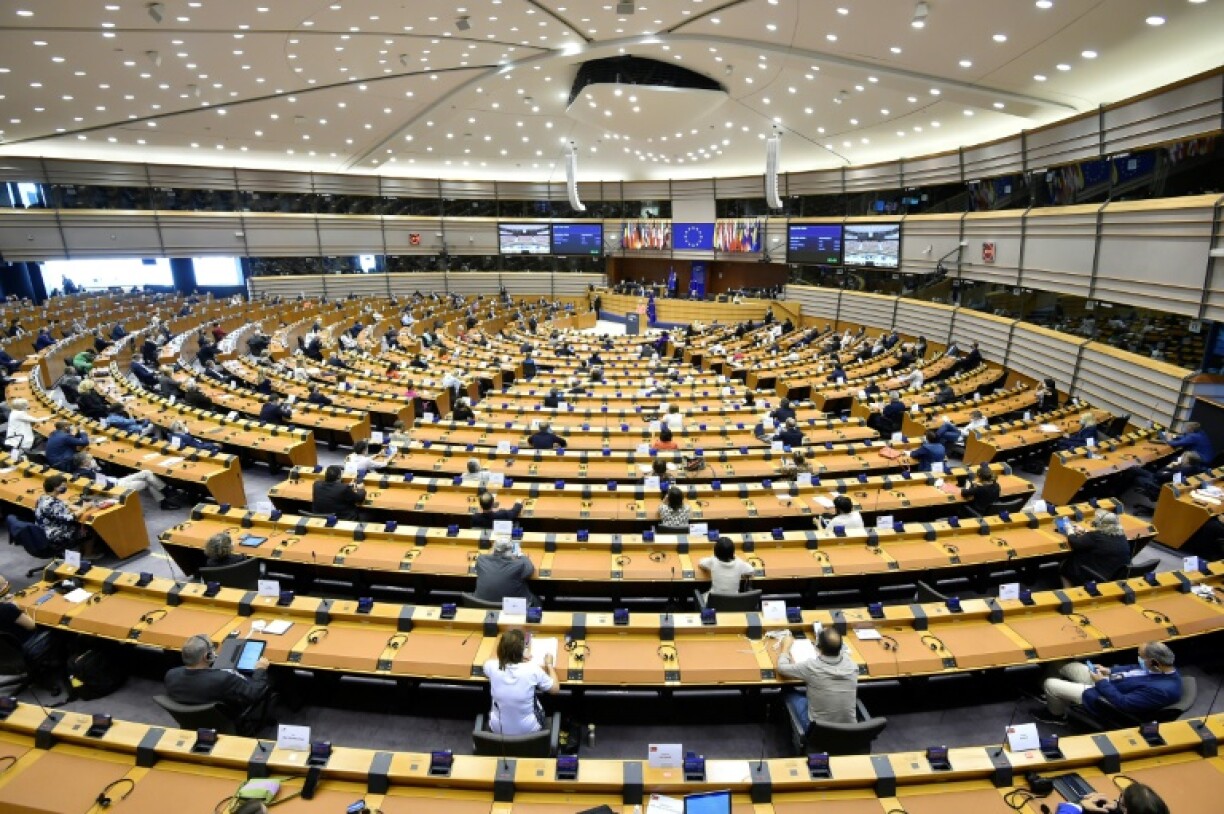
'Turning the tap off, forever' – The EU has struck a deal to end all Russian gas imports by late 2027, marking what officials called "the dawn of a new era" in European energy independence. The agreement, reached late Wednesday between EU states and the European Parliament, bans long-term gas contracts starting from late 2027, and short-term ones as early as 2026. Pipeline and LNG (Liquified Natural Gas) imports alike will be phased out in an effort to starve the Kremlin of war funds and prevent future energy blackmail.
Despite the ambition, the deal includes several caveats. Hungary and Slovakia, who still import Russian oil, will be given until 2027 to end those imports too. Hungary's foreign minister has already vowed to challenge the plan in court. The Kremlin dismissed the EU decision, warning it would harm Europe's economy more than that of Russia.
Peace efforts stall – US-led peace efforts to end the nearly four-year Ukraine war stalled this week after high-level talks in Moscow yielded no compromise on territorial control. Russian President Vladimir Putin hosted US envoys at the Kremlin, but signalled firm rejection of revised proposals that still don't meet Moscow's demands. The two sides acknowledged limited progress but no agreement on key questions, especially Russia's insistence that occupied Ukrainian regions be recognised as Russian territory.
Ukrainian President Volodymyr Zelensky, meanwhile, warned against any backdoor deal between Washington and Moscow, reiterating that no agreement can be made without Kyiv's consent. As frustration grows with US-led diplomacy, French President Emmanuel Macron met with Xi Jinping in Beijing, calling on China to join a new ceasefire push. Macron hopes China can pressure Russia where the US has so far failed. The French leader warned that Western allies must act together to ensure a fair and sustainable peace.
Europeans increasingly anxious – As peace remains elusive and Putin's rhetoric hardens, public anxiety in Europe is rising. A new survey across nine EU countries found that 51% of citizens now see a "high" or "very high" risk of direct war with Russia in the coming years. In Poland, that number reached a staggering 77%. French, German, and Spanish respondents also expressed significant concern, while majorities in Italy and Portugal remained more sceptical.

Confirmed without a vote – In a closed-door meeting in Geneva, the EBU decided not to hold a vote on Israel's much-contested participation in the 2026 Eurovision Song Contest. "A large majority of members agreed that there was no need for a further vote on participation and that the Eurovision Song Contest 2026 should proceed as planned, with the additional safeguards in place", a statement read.
Despite increased pressure and concerns of politicisation, the EBU rested on "clear support" among members for already-implemented reforms that seek to protect neutrality. These also included new transparency measures around the voting system and heightened security for the host nation, Austria.
Key states boycott – Mere moments after the announcement, public broadcasters in Spain (RTVE), Ireland (RTE), and the Netherlands (AVROTROS) declared they would not participate in next year's competition, each citing a failure to maintain Eurovision's apolitical character.
Ireland called participation "unconscionable", while Dutch broadcasters condemned Israel's "proven interference" in last year's vote. Iceland and Belgium said they were reconsidering their positions, and three RAI board members in Italy have since called for withdrawal.
Geopolitically distanced Luxembourg – The Grand Duchy had previously confirmed it would continue preparing for Eurovision 2026, and does not support excluding Israel. The government rejected the idea of using cultural platforms for political retaliation and highlighted Eurovision's founding values of "tolerance, diversity, and mutual respect".
RTL Luxembourg is still monitoring internal EBU decisions but has emphasised that its participation in both the national and international contests will continue "as planned".
Your Weekly Recap is published every Friday at noon.





