Studies on racism in Luxembourg have shown that people of African descent are the group most affected by discrimination, particularly in three areas: education, employment, and housing. The national action plan sets out 23 objectives and 118 measures to combat racism and challenge prejudice.
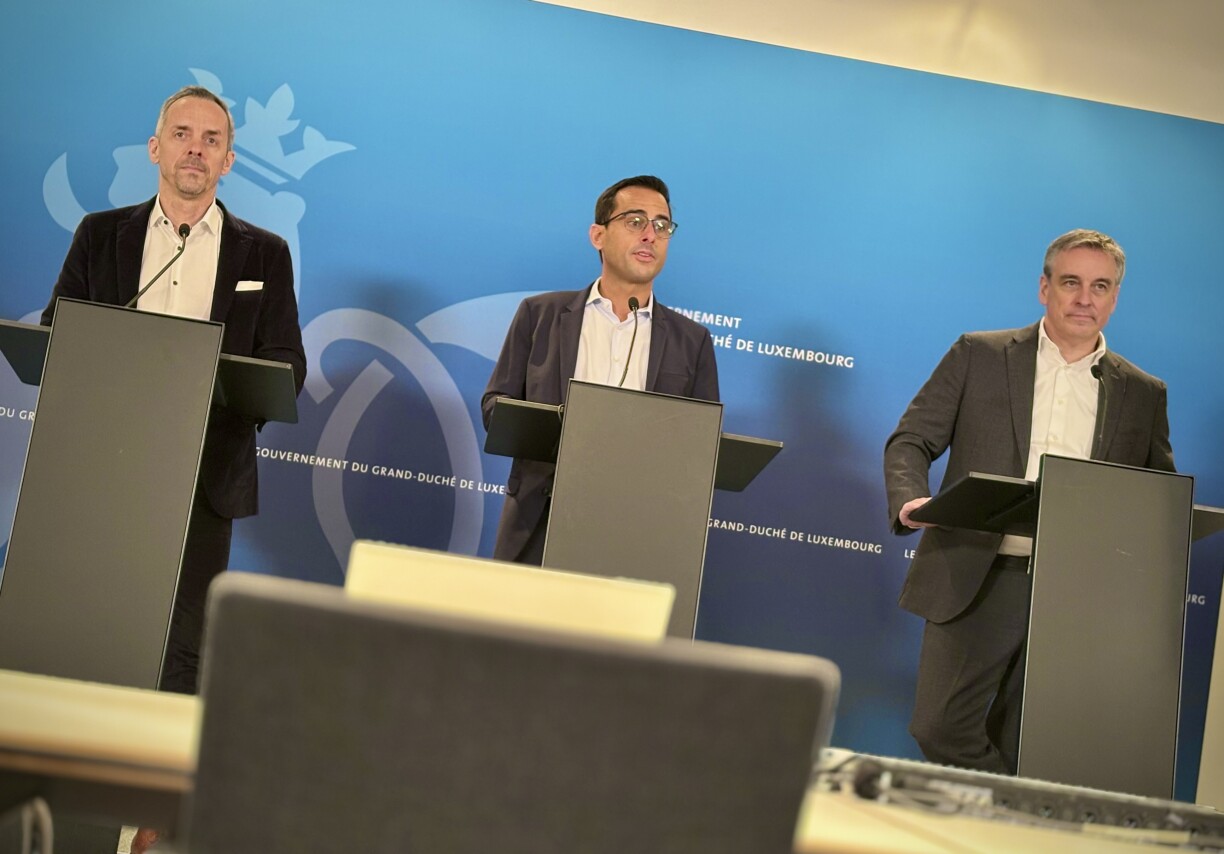
A key component is support for those affected: a new referral service will be established where victims can receive information, guidance, and assistance – including help in filing a formal complaint, as outlined by Family Minister Max Hahn at a press briefing on Monday.
From 2026, a digital platform will also be launched, bringing together all relevant information in one place: current legislation, available support services, and channels for reporting incidents. As Hahn added, the goal is to ensure that all the essential information can be found in a single location.


Awareness-raising campaigns and training programmes are planned across all areas concerned. In the labour sector, Labour Minister Georges Mischo explained that staff from the National Employment Agency (ADEM) will receive targeted training, and the Labour and Mines Inspectorate (ITM) will run campaigns so that people know they can turn to the ITM in cases of discrimination. He emphasised that the ITM will pass files on to the public prosecutor when necessary, ensuring follow-up where legal action is required.
Similar measures apply in the housing sector, where professionals will be trained and the Housing Observatory will be tasked with integrating the detection of discriminatory practices into its regular studies. Housing Minister Claude Meisch highlighted that refusals in the rental market are often linked to skin colour or origin, stressing the need for stronger awareness and training, as well as better data. Meisch added that the Observatory will now be required to include racism as a monitored indicator in its reports.
The message of the national plan is that of an inclusive society, one where everyone has a place, with equal opportunities regardless of origin or appearance, as all ministers underlined during the presentation. Every objective in the plan has a clear timetable and measurable indicators to determine whether it has been successfully implemented.
In addition, a nationwide study will be carried out every five years to track developments and assess the impact of the plan's actions. The document is designed to evolve and may be expanded with additional measures as needed.





