
The decline is far less dramatic than in France, but the number of bakeries, and especially the number of people working in them, has decreased in Luxembourg over the past five years, according to Economy Minister Lex Delles in response to a parliamentary question by MP André Bauler of the Democratic Party (DP).
Bauler noted in his parliamentary question that the situation in France has been particularly severe, with around 1,200 bakeries closing in 2024 alone, according to media reports.
Several factors explain the downturn in France: rising energy costs weighing on small bakeries, a lack of succession as older bakers retire, and a general decline in baguette consumption. In addition, supermarket bakeries offer cheaper alternatives, increasing pressure on smaller businesses.
Bauler raised these concerns in his parliamentary question, asking how the situation compares in Luxembourg.
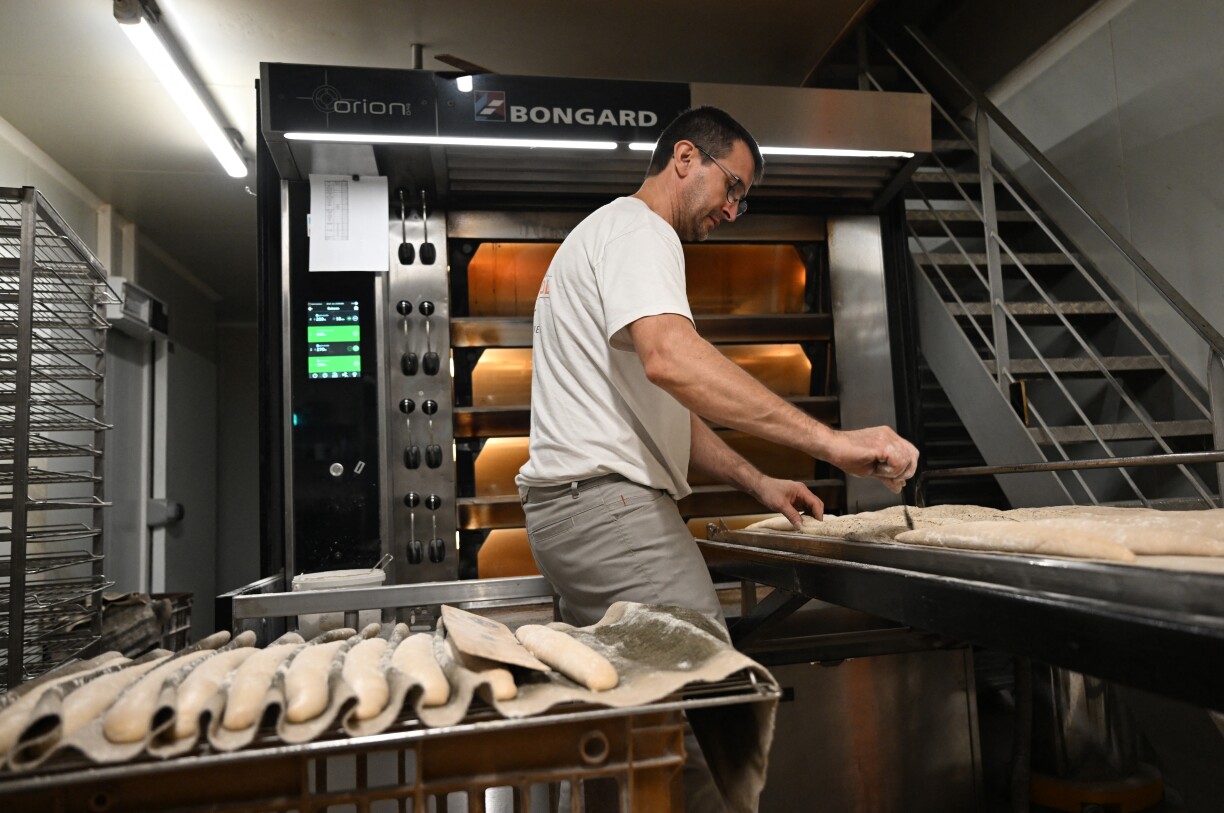
Since 2020, the number of employees in Luxembourg's bakery sector has fallen by 13.8%, according to figures from the Chamber of Commerce cited by Delles. The sector employed 3,426 people in 2020, compared with 2,950 in 2025.
The number of businesses whose main activity is baking has also declined slightly, from 91 in 2020 to 86 in 2025, a drop of 5.4%. Delles described this as a relatively stable evolution overall.
A more significant drop has been observed in the number of operating licences issued to bakeries over the past five years. This is largely due to changes to business licensing rules that came into force in 2023, which affected how the statistics are recorded
While there were still 310 business licences in 2020, only 214 were recorded in 2026.
However, this does not directly reflect a decline in businesses, as not all points of sale and operating sites now require a licence, with some only requiring a simple notification to the competent authorities. A single company can also hold multiple operating licences.
Delles did not directly address Bauler's question on whether the sector is becoming oligopolistic. He stated that assessing market structure and its impact on competition does not fall within the remit of the government.
Such analysis, he said, is the responsibility of the Competition Authority, which can decide on its own initiative to investigate a sector if there are indications of restricted or distorted competition.





