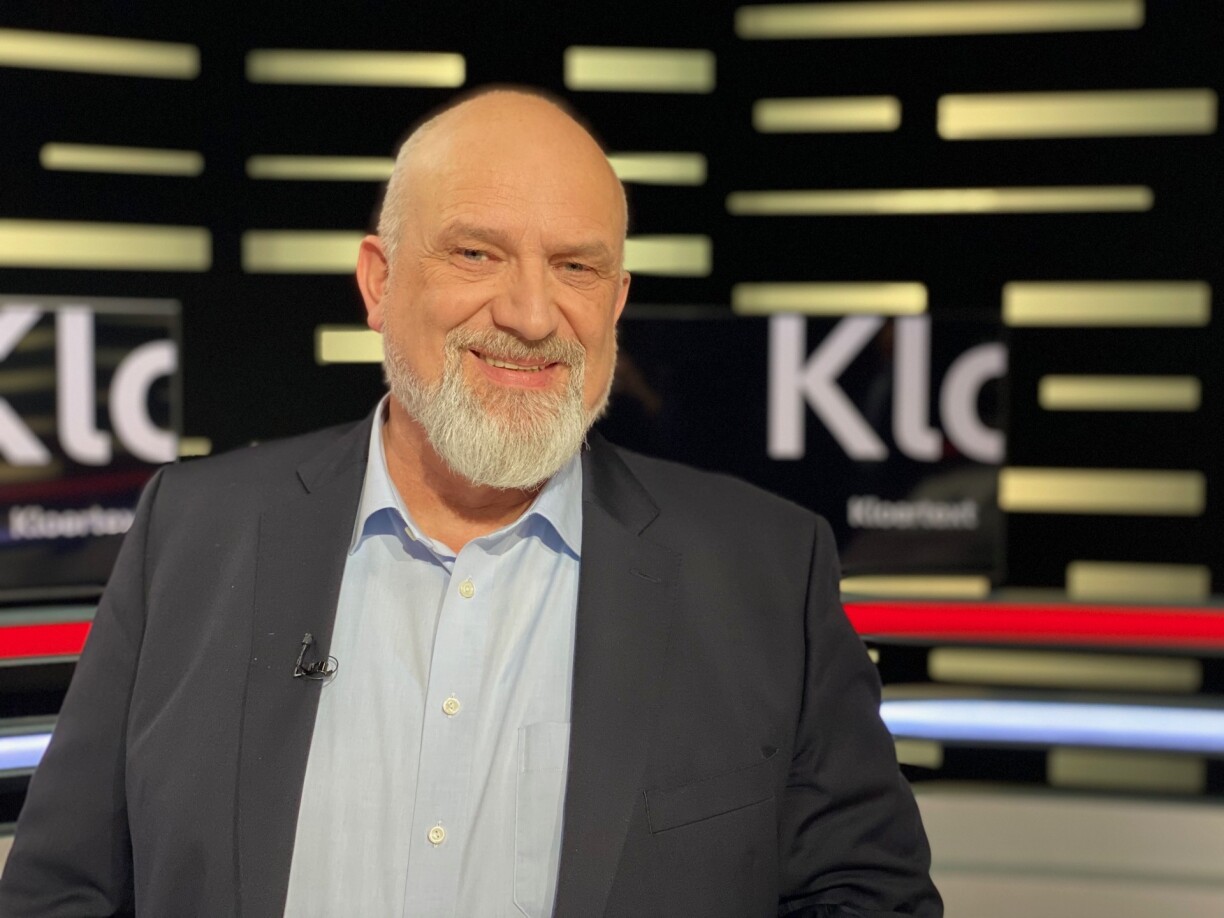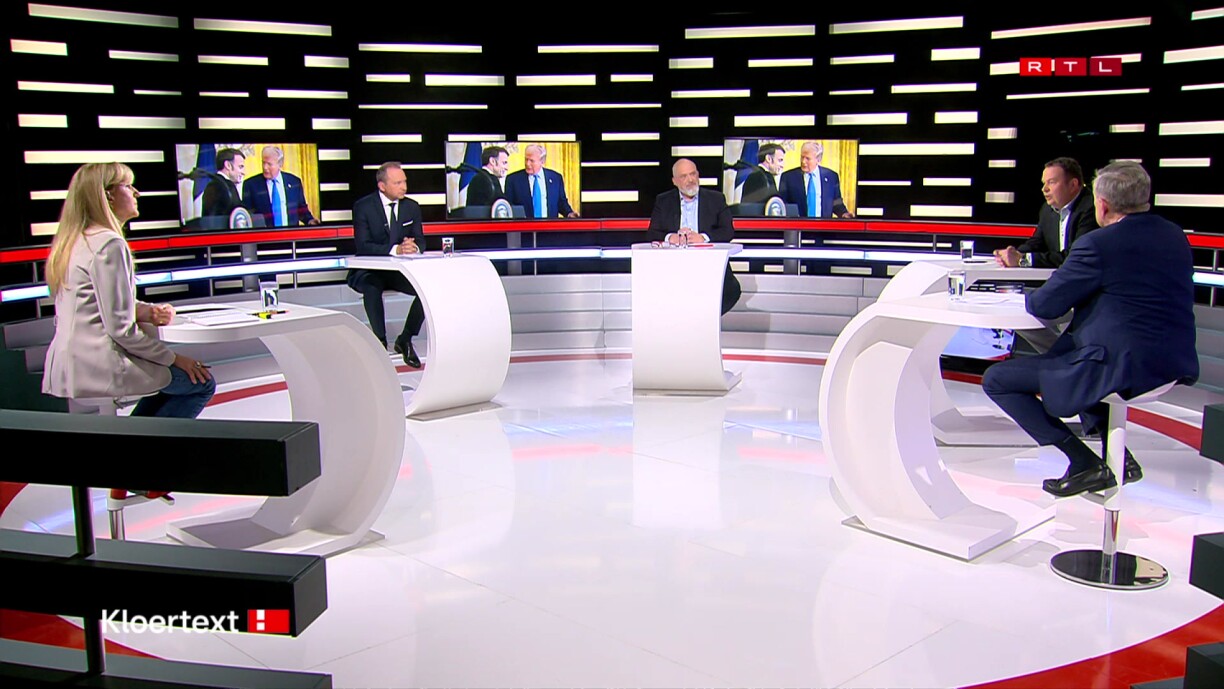
Luxembourg's Finance Minister Gilles Roth assured that increased defence spending will not come at the expense of the country's planned tax reform. Speaking on Kloertext – an RTL panel discussion – on Wednesday, he emphasised that the reform remains a coalition priority and that investments in defence should generate economic returns.
A recent Ilres survey for RTL found that 80% of respondents believe the US is no longer a reliable security partner, while 73% support increased defence spending. However, how these expenditures will be financed remains a key question.
Roth suggested a mix of public debt, European Investment Bank contributions, and private sector involvement. The finance minister highlighted that modern military investments extend beyond traditional weaponry and that Luxembourg might benefit from sectors like drone technology, satellites, and cyber security, which are increasingly relevant to national defence and the financial sector.
Former defence minister François Bausch argued that the financial burden should not fall on low- and middle-income earners but rather on corporations profiting from public investment. He called for a coordinated European approach to ensure businesses contribute fairly.
Meanwhile, RTL financial expert Claude Arendt cast doubt on using frozen Russian assets to fund Ukraine's reconstruction or European defence – an idea recently floated by Bausch – calling it a "highly complex" issue tied to global financial systems.
On the issue of trade tensions with the US, René Winkin, director of the Business Federation of Luxembourg (FEDIL), warned that Europe must respond strategically without escalating conflicts. He noted that American industries themselves could suffer from protectionist measures, with costs ultimately passed on to consumers.
Gilles Roth
Minister of finance (CSV)
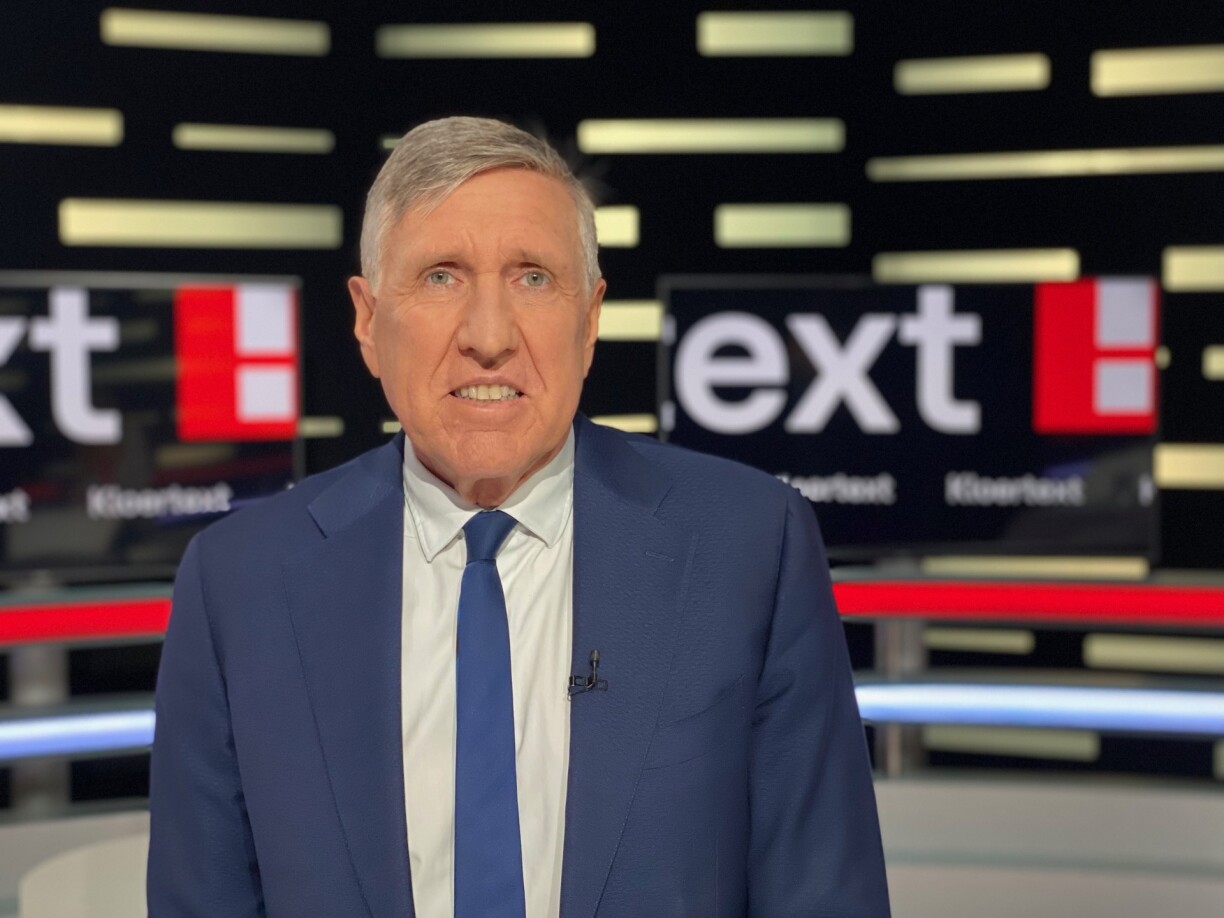
François Bausch
Former defence minister (Déi Gréng)
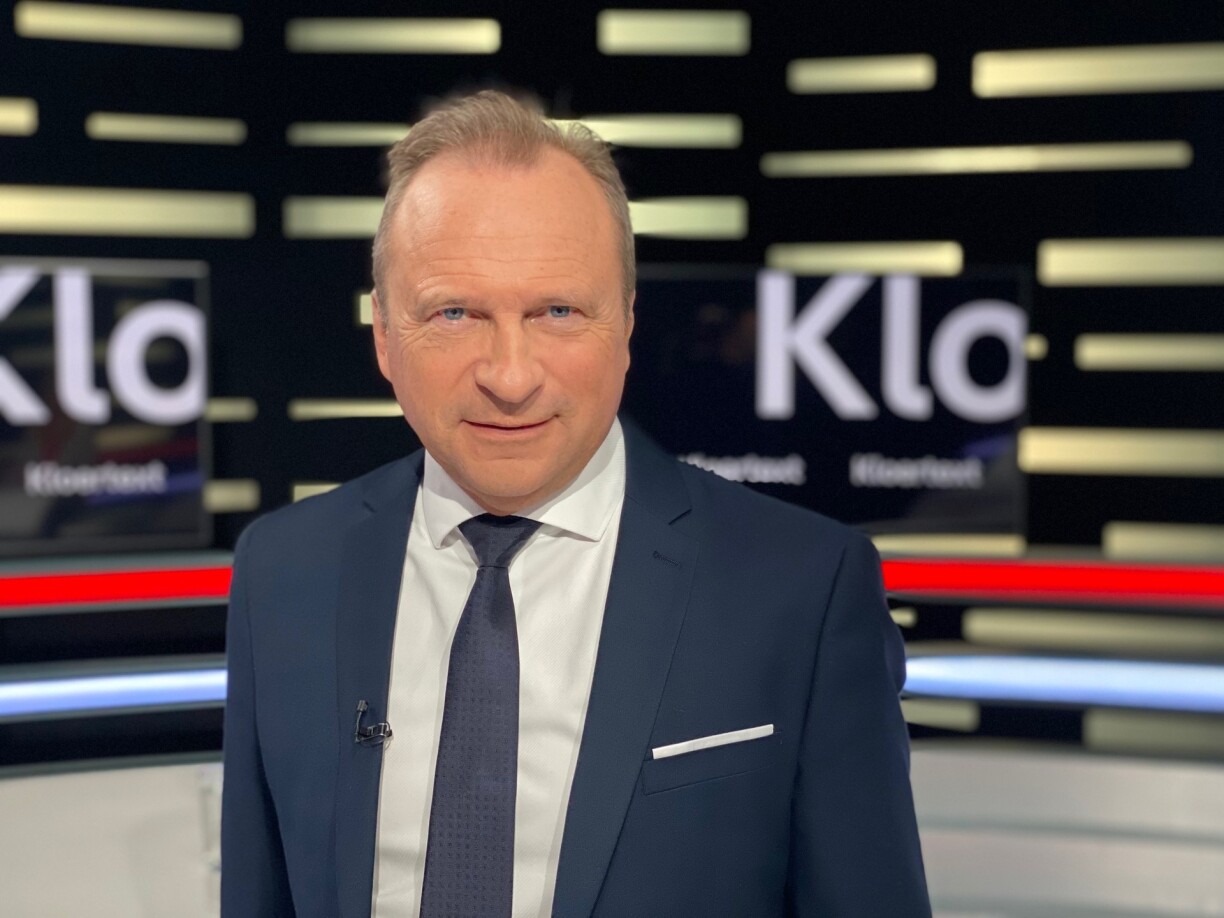
René Winkin
Director of the Business Federation of Luxembourg (FEDIL)
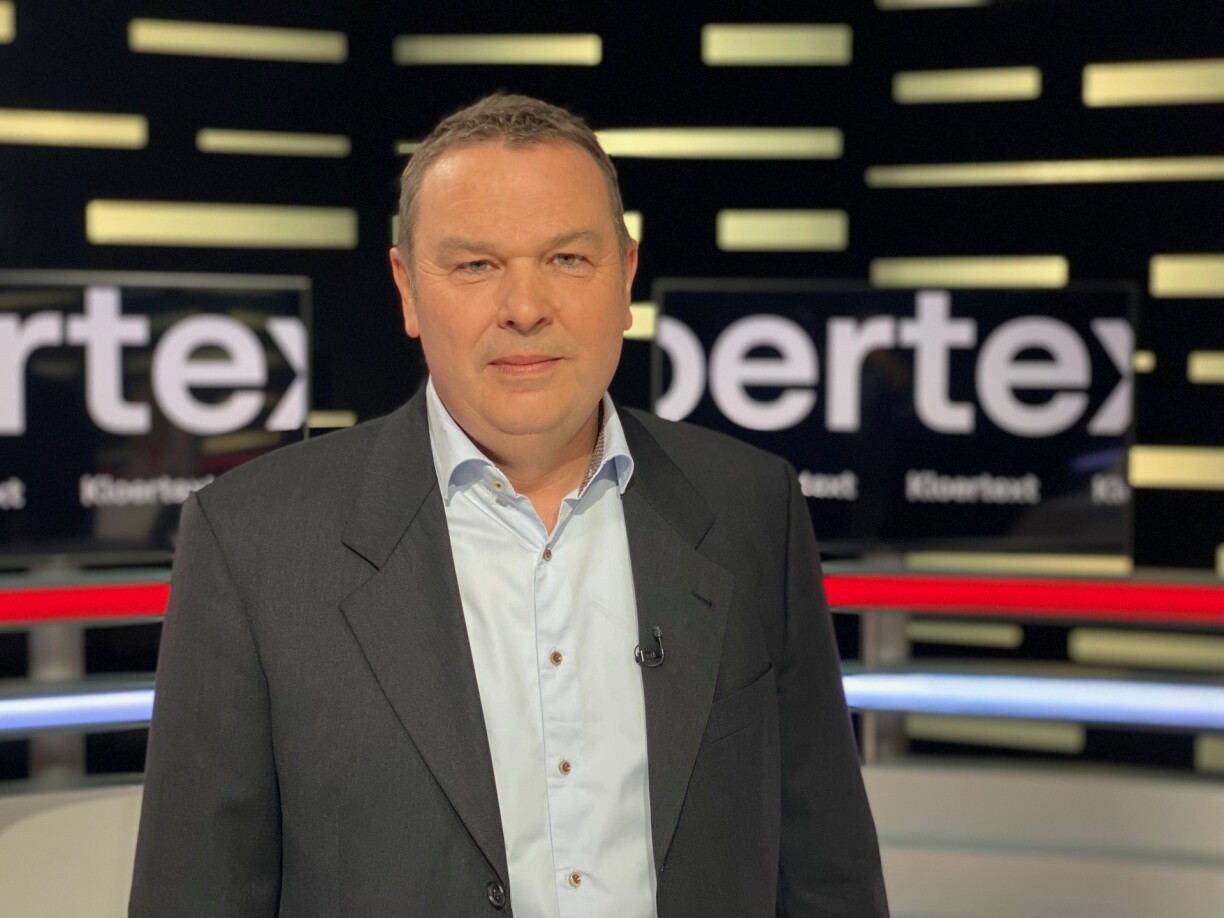
Claude Arend
RTL expert in finance and economy