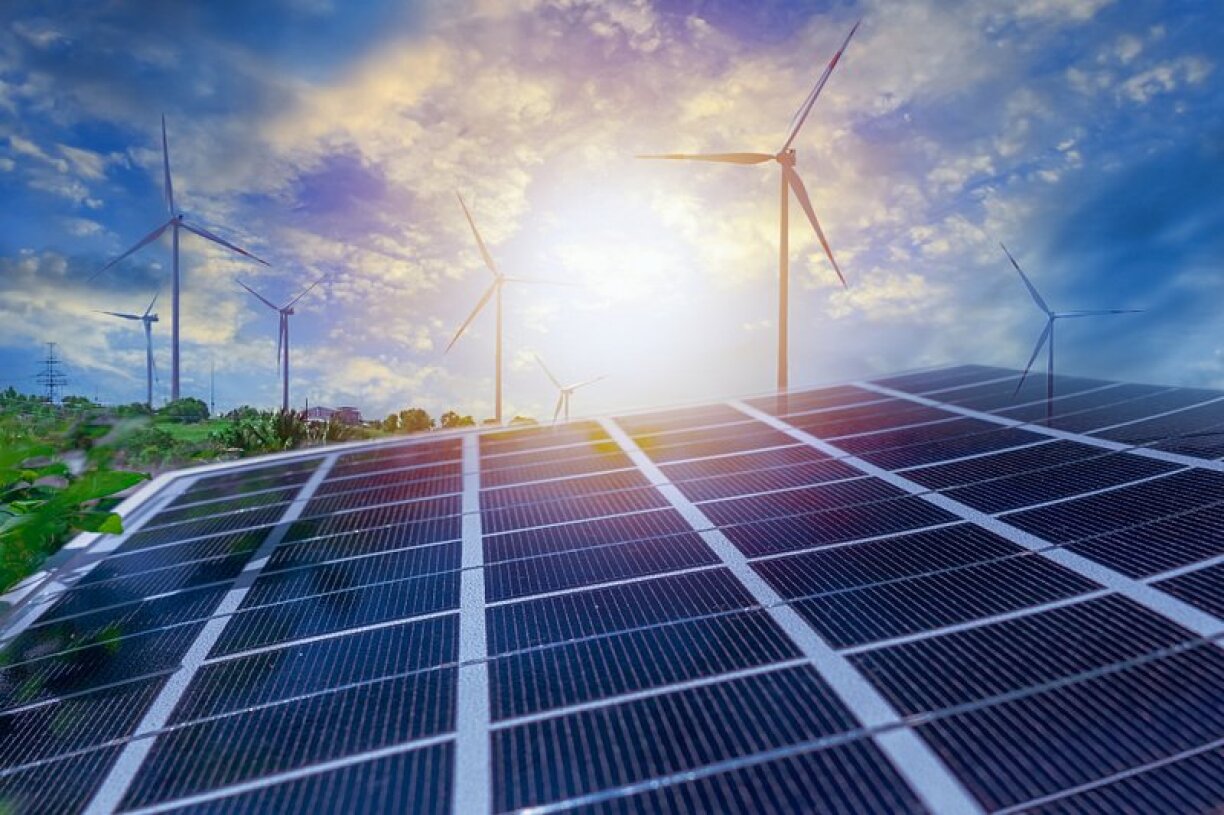
A study by Stanford University found that Luxembourg would have to invest 14 billion euros into wind, water and solar energy to become fully self-sufficient on renewables. An investment that could be recovered in just four years, according to its authors.
However, Luxembourg has no plans for completing energy independence, but rather cooperating with its neighbouring countries, says Turmes: "In Europe, we work together towards optimisation, which we can achieve by producing hydrogen where it is cheaper: in Scandinavia, Norway, Sweden and also in Portugal and Spain. Or we use large wind farms in the North Sea or the Baltic Sea."
Financial optimisation for European countries isn't for every country to be 100% autonomous, but it would be to work together across Europe."
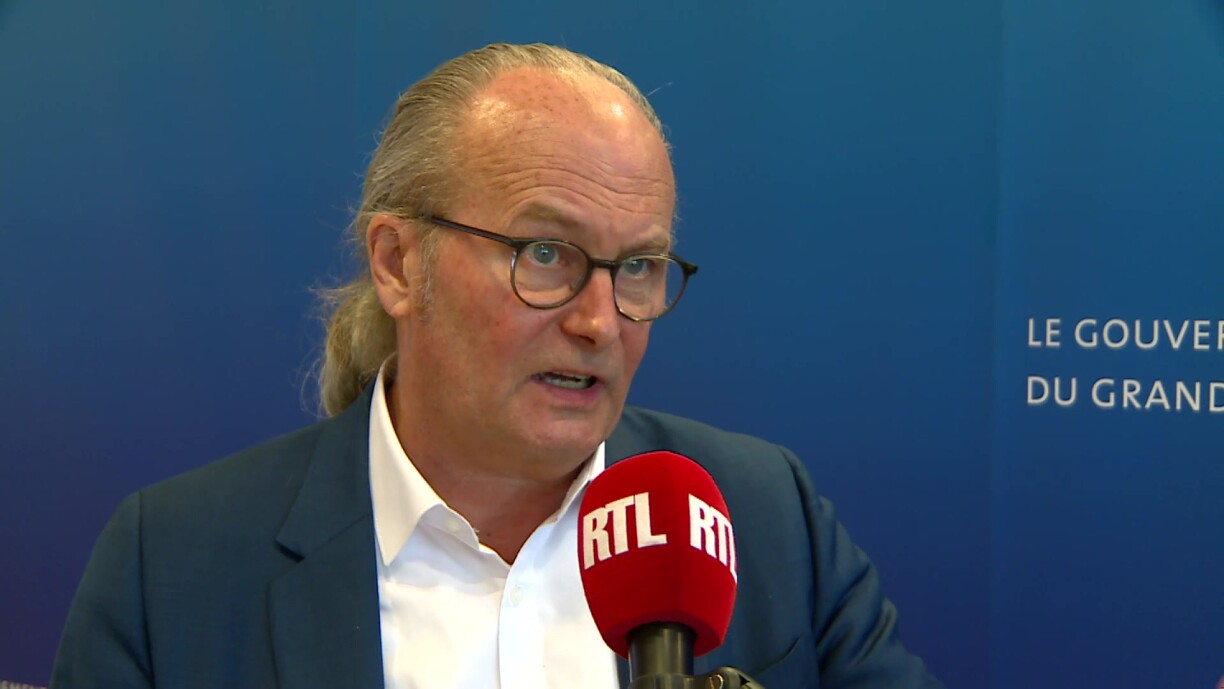
The Stanford researches estimate that beside the financial investment, round 177 square kilometers would be needed for the necessary infrastructure. Turmes thinks that the transition is possible with less money and less surface: "Fact is that last year, Luxembourg installed 15 times more solar energy than 3 or 4 years ago. This shows that we are progressing much better today, both on large agricultural and industry roofs, but also on single family homes. We have had many more applications for solar systems on individual houses than any time before."
A full transition to renewables does mean some jobs will be lost, while simultaneously around 16,000 new jobs will be created: "Renewable energies will create more jobs in Luxembourg, because we will need installers for pholtovoltaics, insulating façades, and electric charging points."
The minister for energy also stresses that the country will need to accelerate deployment of solar and wind energy, but also in electromobility, expansion of the cycling network and building insulation.





