Here are five things you should know at the end of this week:

Expanded subsidy framework – The government’s revised subsidy programme offers up to €6,000 for electric cars with low energy consumption, and maintains support for charging infrastructure, including up to €40,000 for collective systems in apartment blocks. Subsidies for charging points are capped at 50% of the purchase price, excluding VAT, and new pre-financing options will be available from 2027 to ease upfront costs for buyers.
Addressing ownership challenges – To resolve issues faced by co-owners in apartment buildings, a draft bill will soon propose a legal 'right to a charging point'. The Environment Ministry has also commissioned a study to better involve tenants in the electric mobility transition, aiming to make the shift more inclusive and accessible for all residents, not just property owners.
Part of wider climate strategy – The extension forms part of Luxembourg’s broader climate strategy, which includes social leasing for low-income households and stricter measures like a rising CO2 tax. While current climate targets may not be met in the short term, the government remains committed to achieving long-term goals, including having electric vehicles make up 49% of the national fleet by 2030.
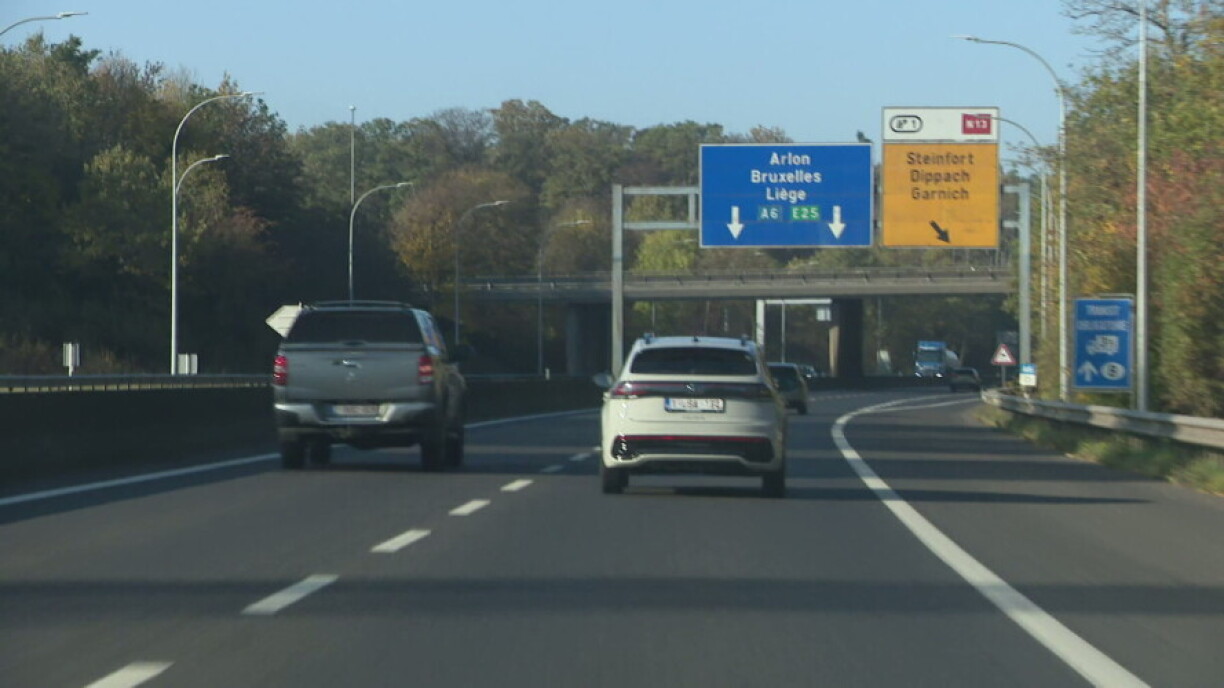
No exemptions for Luxembourg drivers – Walloon Mobility Minister François Desquesnes confirmed that no special exceptions will be made for Luxembourg motorists under the new Belgian vignette system. From May 2027, all drivers using Belgian motorways and regional roads must purchase a vignette, regardless of nationality or the length of their visit. Even short cross-border trips for shopping or dining will require a paid permit, with no relief planned for frequent visitors.
Impact on cross-border commerce – The announcement has unsettled businesses just over the border, many of which rely heavily on Luxembourgish customers. Business owners and shoppers in areas like Arlon worry that the added cost – €9 for a day pass or around €100 for an annual vignette – will discourage regular visits. Some say they may stop crossing the border for shopping or leisure, while others are waiting to see how the system is implemented.
Funding road repairs and upgrades – Belgian authorities say the vignette is needed to generate funds for critical repairs and upgrades to the country’s ageing road infrastructure. The system will be enforced using an expanded network of traffic cameras, with penalties starting at €70 for non-compliance. While the legislation still faces EU scrutiny, Belgian officials argue that the measure is designed to comply with European rules by offering short-term passes and applying to all drivers equally.
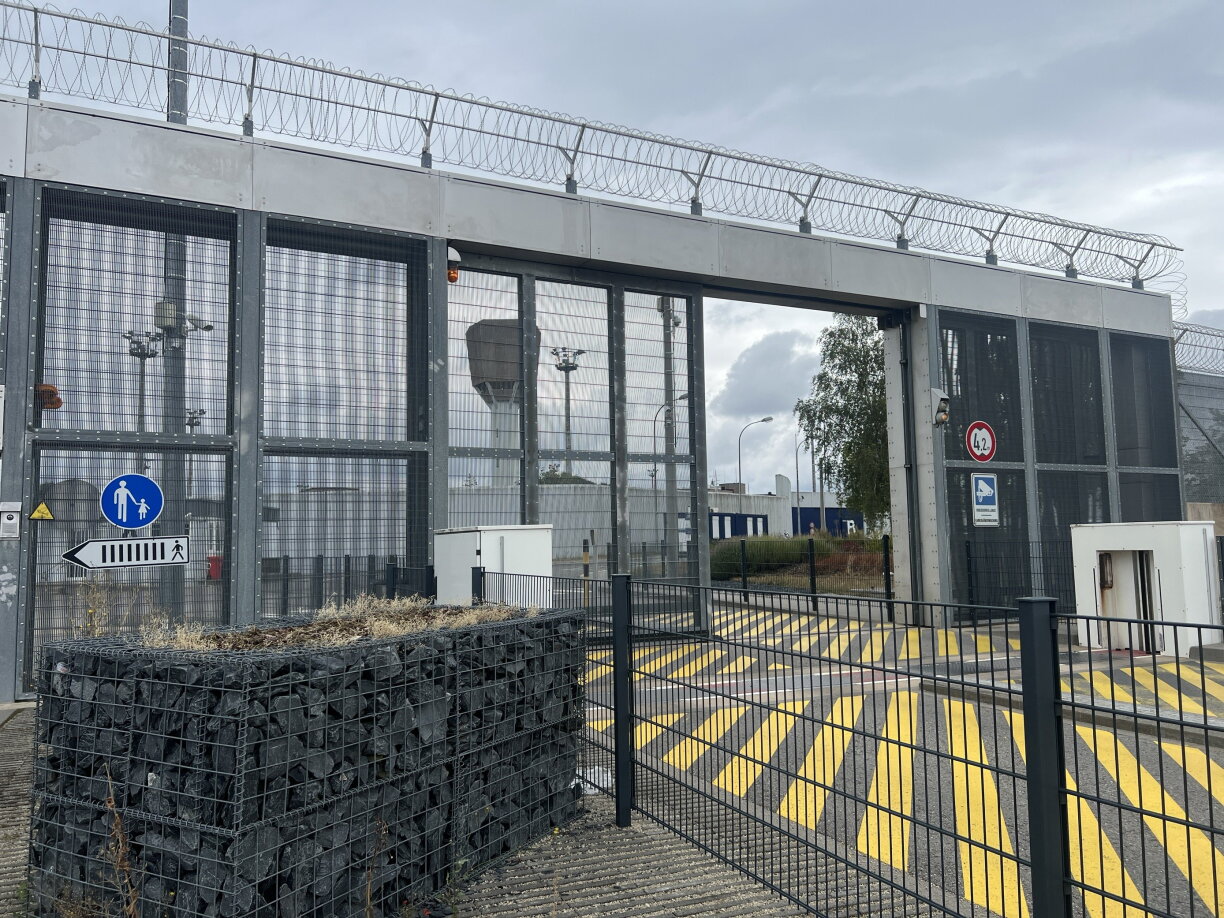
Overcrowding strains facilities – Ombudsman Claudine Konsbruck reported that Luxembourg’s main prisons, Schrassig and Uerschterhaff, are at full capacity, with severe overcrowding noted during the summer. Measures such as adding beds and placing mattresses on floors were needed to cope with the influx. The rapid filling of Uerschterhaff, a facility for pre-trial detainees opened just four years ago, was described as 'shocking' and has heightened tensions among inmates.
Minors in adult prisons – The number of minors detained at Schrassig has already reached 41 in 2026, up from 28 in 2025, raising concerns about young people being held in adult facilities. Konsbruck stressed that minors do not belong in adult prisons and criticised slow progress on a dedicated youth facility. The specialised Security Unit in Dreiborn can only accommodate 12, leaving many minors in unsuitable conditions.
Debate over solutions – While some officials suggest building more prisons, the association 'eran, eraus... an elo?' argues that stricter penal policies, not just overcrowding, are driving up inmate numbers. They call for a thorough analysis of sentencing trends and greater use of alternatives like electronic tagging. Justice Minister Élisabeth Margue maintains that tagging is mainly for reintegration, not reducing overcrowding, and strict eligibility criteria limit its use.

Affair and espionage allegations – Jensen Huang admitted to an extramarital affair with Alice Huang, a senior executive at Megaspeed who US intelligence suspects of spying for China. Reports allege Alice Huang was recruited to gather information on Huang and influence Nvidia’s business decisions regarding chip sales to China. The revelations prompted Nvidia’s board to launch an independent investigation, though it stated there was no evidence that company secrets or national security were compromised.
Leadership shakeup and market impact – Huang’s resignation shocked Silicon Valley and rattled financial markets. Nvidia shares plunged 13% at the open and closed down 4.3 percent, while some competitors like Broadcom and AMD saw gains. The board appointed Colette Kress as interim CEO, but uncertainty remains over long-term leadership. The shakeup comes as Nvidia dominates the AI chip market, and investors are closely watching for further fallout.
Industry and political fallout – The scandal has unsettled the AI industry, with insiders noting Huang’s departure leaves a gap in open-model advocacy and raises questions about Nvidia’s future direction. US lawmakers have called for briefings on Nvidia’s security protocols, and analysts predict further congressional scrutiny. While some believe Nvidia will weather the storm, others see an opportunity for rivals to challenge its dominance in the fast-evolving AI sector.

Compromise proves elusive – Finance ministers from 27 EU countries met in Brussels to discuss a sweeping reform of tobacco taxation, but failed to reach consensus. The proposal aimed to raise excise taxes by 25% by 2036 and sharply reduce the amount of tobacco travellers can carry for personal use. With Malta vetoing the deal, the status quo remains, and negotiations are set to continue in the coming weeks.
Luxembourg’s economic stake – Luxembourg, where tobacco sales to non-residents are economically significant, had signalled willingness to accept the compromise. The proposed changes would have reduced the personal export limit from four cartons to one, a move the finance minister described as a goodwill gesture towards France. However, critics argue such restrictions unfairly target Luxembourg’s cross-border trade.
Black market fears raised – Heintz van Landewyck, a major tobacco manufacturer, warned that higher taxes could act as a 'stimulus package for criminal organisations'. The company cited examples from neighbouring Belgium, where illegal cigarette factories are regularly uncovered, and referenced a major seizure in Eschweiler. The debate highlights ongoing tensions between public health goals and the risk of fuelling illicit trade.
________________________________________________
Human rights – Luxembourg's major banks scored an average of just 5.2 out of 15 points on human rights protection in a new study by the Duty of Care Initiative and BankTrack, placing them below the international average.
Amazon – Amazon has inaugurated a new IT logistics centre in Dudelange, where laptops for around 250,000 employees are configured and shipped to 23 European countries, marking a €12.5 million investment by the online retail giant.
Your Weekly Recap is published every Friday at noon. Read earlier versions here.


