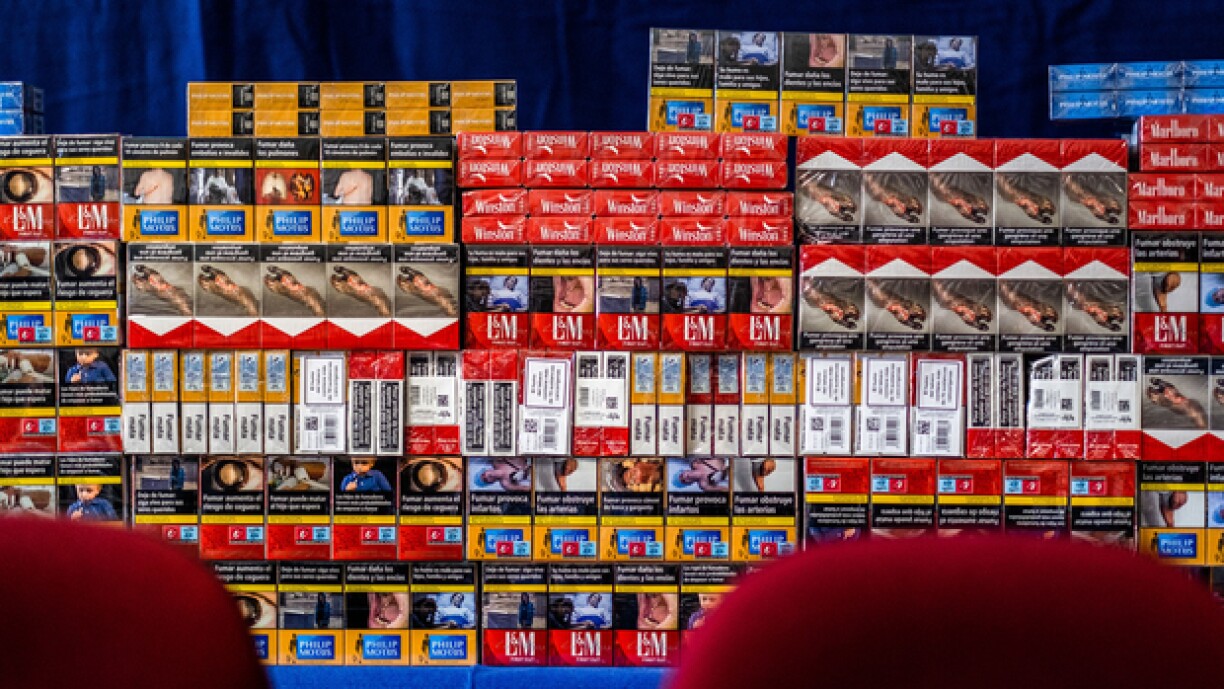
Finance ministers meeting in Brussels on Monday were unable to find common ground on a reform that could have had direct consequences for Luxembourg and its many cross-border shoppers.
The proposal, spearheaded by Ireland’s EU presidency, aimed to drastically reduce the amount of cigarettes travellers can carry from one member state to another for personal consumption, from 800 to 200 cigarettes, the equivalent of four cartons down to just one. The plan also sought to increase taxes on e-cigarettes and other new nicotine products.
The issue carries particular weight in Luxembourg, where tobacco sales to non-resident buyers represent a significant economic factor. Luxembourg’s Minister of Finance stated on RTL on Tuesday morning that the Grand Duchy had been prepared to support the compromise on the table.
However, because tax matters require unanimous approval among all member states, no decision was possible in the absence of consensus.
However, a much broader reform effort lies behind this debate. The European Commission wants to update rules that have been in place for over a decade, seeking to close tax gaps between countries, introduce tighter controls on e-cigarettes, heated tobacco, nicotine pouches, and combat the illegal tobacco trade.
The issue continues to split the 27 EU member states. Some countries fear that sharply increasing taxes could fuel smuggling or prompt more cross-border shopping. Sweden leads the list of opponents to key aspects of the proposal, with Italy, Portugal, and Romania also expressing concerns.
As a result, smokers and vapers will see no changes for now. Negotiations are expected to continue in the coming weeks, as Brussels searches for a compromise on a file where public health goals often clash with member states' economic realities.





