The state subsidy for electric vehicles and charging infrastructure, known as the "Mobility and Charging Points" climate bonus, has been adapted and extended through mid-2030. Additionally, a pre-financing mechanism will be introduced on 1 January 2027, mirroring the existing framework for the "Housing" climate bonus.
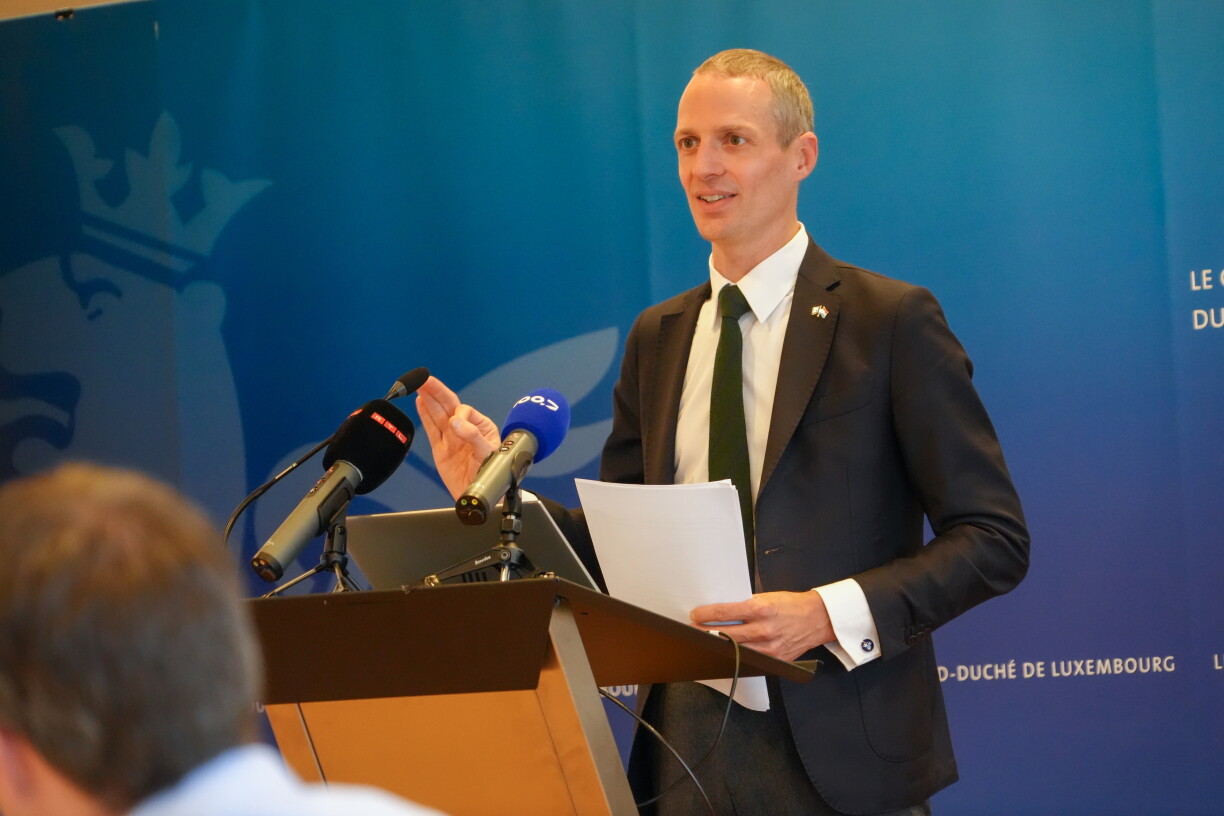
Although these measures were previously approved by the Chamber of Deputies, Minister of the Environment Serge Wilmes outlined the details of the updated programme during a press conference on Wednesday.
The revised framework offers the following financial incentives:
(*) these subsidies are capped at 50% of the purchase price, excluding VAT.
To support essential charging infrastructure, the government will also maintain subsidies for charging stations:
A new addition to these subsidies includes up to €40,000 for collective charging systems in blocks of flats. All subsidies for charging points are capped at 50% of the purchase price, excluding VAT.
To resolve frequent impasses within co-owners' associations, Minister Wilmes announced that Minister of Energy Lex Delles will soon table a draft bill establishing a legal "right to a charging point."
Additionally, the Environment Ministry has commissioned a study to explore how tenants can be better involved and supported in the transition to electric mobility.
According to Wilmes, the primary objective of extending and adapting these bonuses is to provide greater predictability for both the public and businesses. When asked if time-limited subsidies might trigger a premature surge in electric vehicle purchases, the minister noted that past experience showed early reductions in subsidies had minimal impact on sales. He emphasised that consumer decisions are driven more by practical considerations, such as vehicle range, than by subsidy timelines.
Acknowledging that current climate targets are unlikely to be met in the short term, Wilmes assured that the government remains committed to monitoring progress and achieving its long-term goals.
A key objective is for electric vehicles to constitute 49% of the national vehicle fleet by 2030. The ministry views the expanded climate bonuses and pre-financing options as vital components of a broader strategy, which also includes social leasing programmes for households receiving the cost-of-living supplement.
Alongside these incentives, the government is implementing more restrictive measures to drive the energy transition, including a gradually increasing CO2 tax and the ETS-2 system, which will raise the cost of fossil fuels further.


