Electric and hybrid vehicle owners who rely on public charging points have been hit with a significant increase in electricity costs at the start of the year. This development comes as a blow to drivers without access to private charging options, particularly as the Autofestival approaches and many consider switching to electric vehicles.
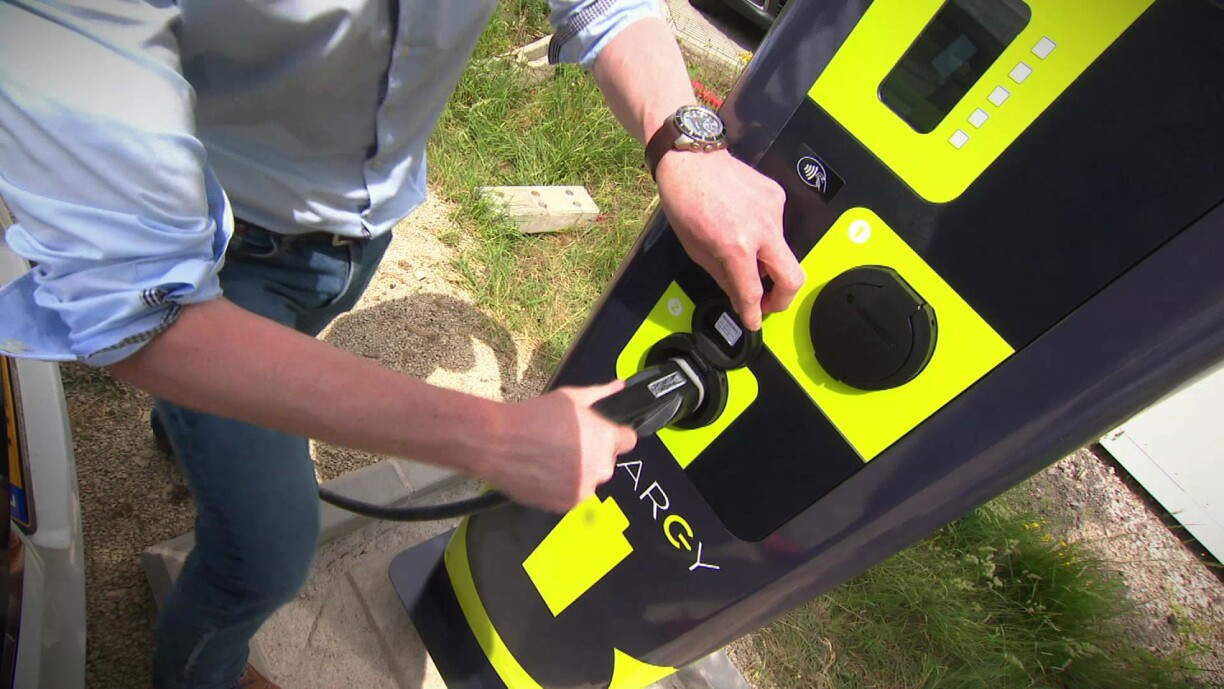
For drivers like Fränk Schütz, an electric vehicle enthusiast with over a decade of experience, the price hike came as an unwelcome surprise. After charging his car at a Chargy station following the festive season, Schütz noticed a sharp rise in rates. The cost at standard Chargy charging points has increased from 34 to 49 cents per kilowatt-hour (kWh), while prices at SuperChargy fast terminals have jumped from 43 to 63 cents per kWh – a nearly 50% increase in some cases.
The reasons behind this steep rise were clarified by Creos, the energy provider responsible for developing and maintaining the Chargy network. While Creos installs and maintains the charging infrastructure and supplies the electricity, it does not set the prices for end users. Instead, pricing is determined by individual "charging service providers" (CSPs), each with their own business models and pricing structures.
In 2023 and 2024, CSPs benefited from a public subsidy of 13 cents per kWh, which helped offset rising costs on the international electricity market. However, with the subsidy no longer in place, the full cost of electricity is now being passed on to consumers, leading to the significant price increases at Chargy stations.
Daniel Christnach, a member of Creos management and head of the Chargy network, has clarified that Creos itself has not raised prices for infrastructure or electricity. Instead, the recent price increases are the result of CSPs adjusting their rates following the withdrawal of a public subsidy. This subsidy was introduced to mitigate rising electricity prices on the international market. With its removal, CSPs are now passing these additional costs on to consumers, leading to varying price hikes across providers.
Christnach emphasised that the decision to end the subsidy after two years was a political one. While Creos understands the frustration of users, the company has no control over the pricing decisions of individual CSPs. Despite the increases, Chargy network managers highlight that electric vehicles remain more cost-effective than petrol or diesel cars when considering overall expenses, including taxes and maintenance.
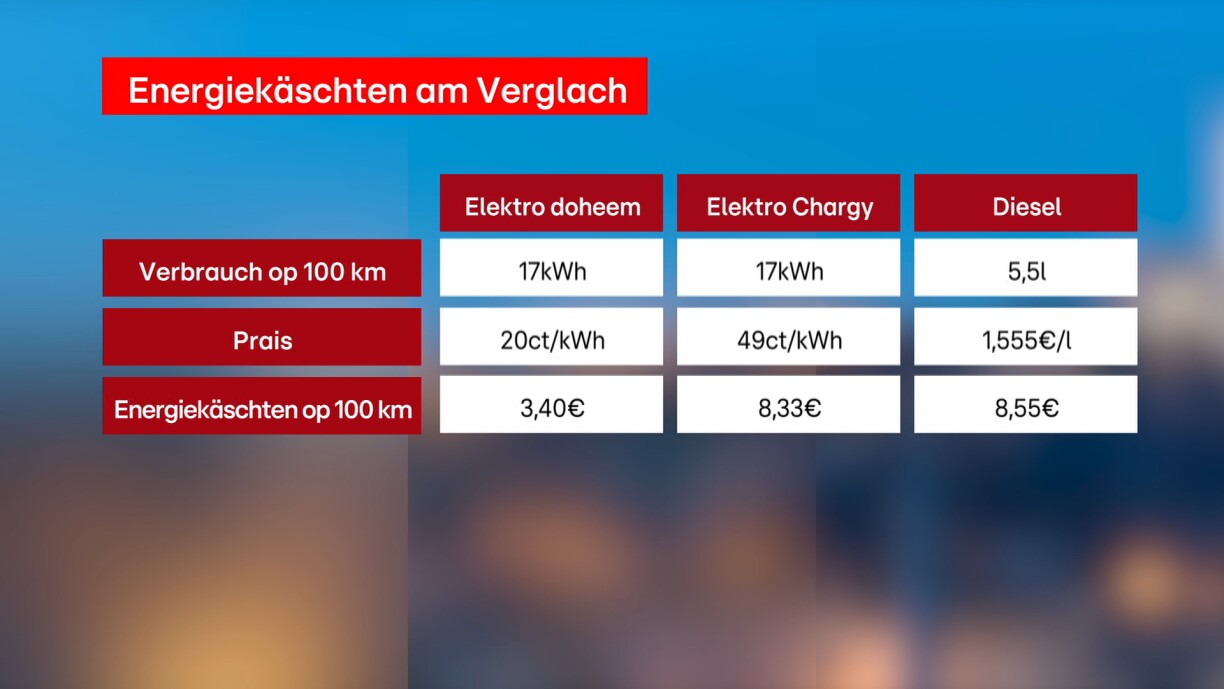
To illustrate the impact of the new rates, RTL conducted a comparison. For an electric car consuming 17 kWh per 100 km, charging at home at the capped rate of 20 cents per kWh costs €3.40 for 100 kilometres. However, using a Chargy public charging point at 40 cents per kWh raises the cost to €8.33 for the same distance. In comparison, a diesel car consuming 5.5 litres per 100 km costs approximately €8.55 for 100 kilometres at current fuel prices. This means that, in terms of energy costs alone, Chargy electricity and diesel are now nearly on par.
While electric vehicles still benefit from lower taxes and maintenance costs, the new charging rates have raised concerns that public charging may no longer be a viable option for those without access to home charging. "I understand that prices need to be adjusted, but this is no longer normal," said Fränk Schütz. Schütz, who primarily relies on home charging, expressed relief that he only uses Chargy stations in emergencies.





