Here are five things you should know at the end of this week:

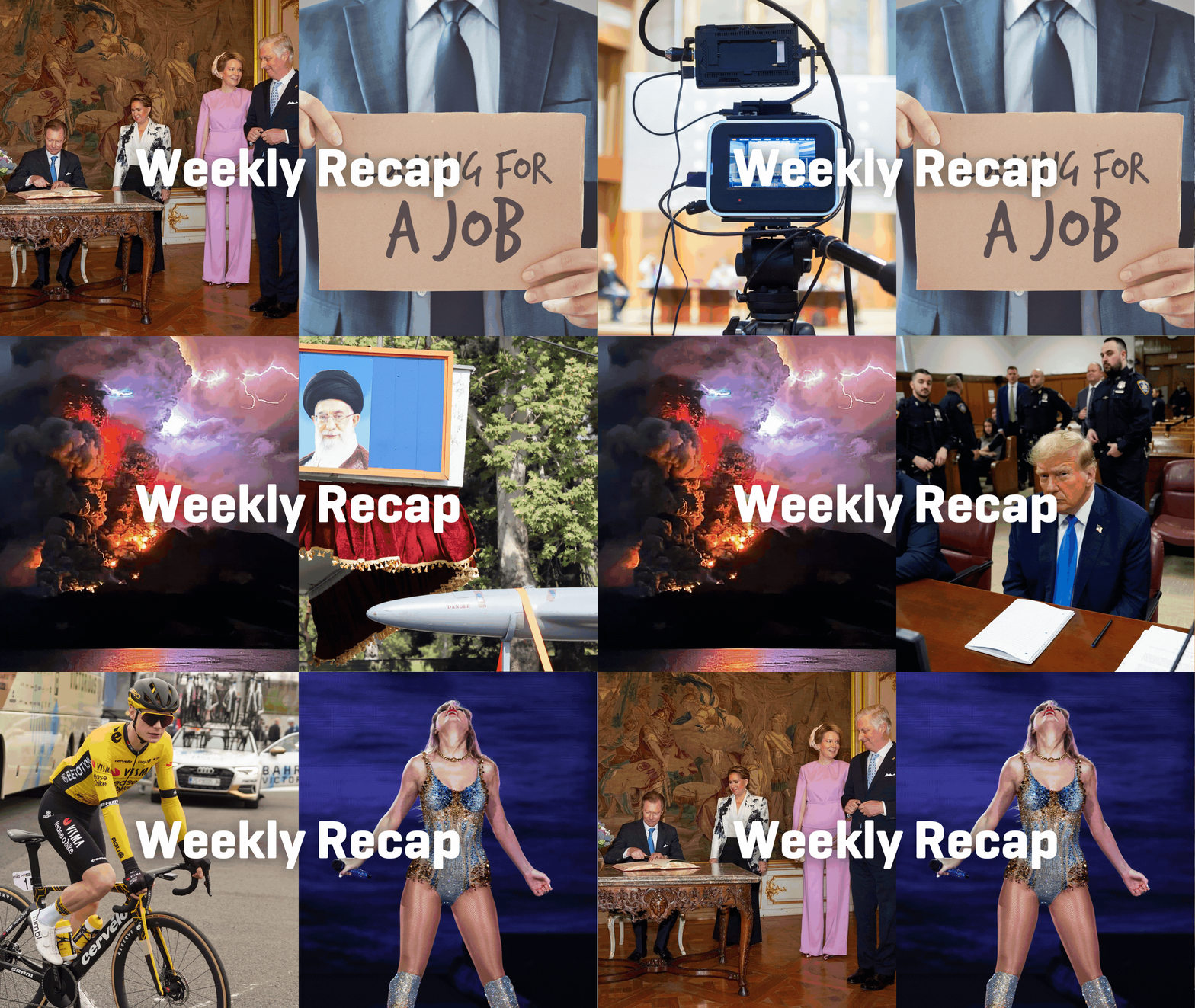
The Grand Ducal couple, along with financial and economic delegates, embarked on an official state visit to Brussels, engaging in diplomatic activities and celebrating royal birthdays with thei Belgian counterparts.
Diplomatic visit – The Grand Ducal couple and top financial and economic delegates travelled to Brussels for an official state visit marked by significant diplomatic engagements and the celebration of royal birthdays. Their itinerary included official receptions at prominent locations such as the Place des Palais and the Grande Place.
This visit coincided with the birthdays of King Philippe of Belgium and Grand Duke Henri of Luxembourg, adding a festive note to the diplomatic proceedings and underscoring the close personal and state ties between the two nations.
State banquet – During the state banquet held at the Palace of Laeken, Grand Duke Henri delivered a speech highlighting the enduring and beneficial relationship between Luxembourg and Belgium. He pointed out the significant number of Luxembourgers living in Belgium and the economic and cultural benefits arising from the cross-border workers.
The Grand Duke also discussed future avenues for bilateral cooperation, touching on sectors like space exploration, finance, healthcare technology, and defence, which could foster deeper ties between the two nations. The ongoing war in Ukraine was mentioned as a backdrop stressing the need for continued military collaboration and unity within the EU.
Military cooperation – The visit concluded with a focus on military collaboration, exemplified by the tour of the Melsbroek air base where Grand Duke Henri and King Philippe inspected military assets, including a Belgian A400M aircraft. The visit also included a seminar on security and defence at a university in Liège, emphasising the importance of continued investment in military training and infrastructure.

Luxembourg's bankruptcies increased by 15% in the first quarter of 2024, leading to 1,239 job losses, a sharp rise from the previous year.
The construction sector, declared in crisis in February, saw an 18% increase in bankruptcies and a 244% surge in job losses, accounting for over half of the total job losses due to bankruptcies.
Despite a slight decrease in bankruptcies in the trade and hotel sectors, job losses significantly increased, more than tripling in trade and rising by 46% in hotel and catering.
Levels not seen since 2011 – In the first quarter of 2024, Luxembourg witnessed a significant rise in bankruptcies, reaching a total of 317 verdicts, up from 276 in the same period the previous year, marking a 15% increase. This surge in bankruptcies has had a profound impact on the job market, resulting in 1,239 job losses, a notable escalation when compared to the 768 job losses recorded in the first quarter of 2023.
According to the National Institute of Statistics and Economic Studies (STATEC), this trend signifies the most substantial job loss in a single quarter the country has seen since 2011, highlighting the economic challenges Luxembourg is currently facing.
Construction in crisis – The construction sector in Luxembourg has been particularly affected by the rising number of bankruptcies. In the first quarter of 2024, the sector experienced 71 bankruptcies, an increase of 18% compared to the same period in 2023. This increase in bankruptcies has led to a dramatic rise in job losses within the sector, with 660 jobs lost, representing a 244% increase from the previous year.
This drastic escalation in both bankruptcies and job losses has led to the official declaration of a crisis in the construction sector back in February, which now accounts for more than half of all job losses related to bankruptcies in Luxembourg.
Hospitality and trade – Despite a slight decrease in the number of bankruptcies in the trade and hotel sectors – with trade sector bankruptcies marginally dropping from 55 to 47 and hotel sector bankruptcies reducing from 36 to 32 – job losses in these sectors have increased significantly.
In the trade sector, job losses more than tripled, rising from 44 to 133. Similarly, in the hotel and catering sector, job losses increased by 46%, with around 194 positions affected despite fewer bankruptcy filings. This indicates that even sectors with fewer bankruptcies are not immune to severe employment impacts, underscoring the broader economic distress.

Chamber president Claude Wiseler this week announced that a session of the media commission was live-streamed for the first time, marking a new era of transparency in parliament.
Future plans include live streaming sessions of other commissions such as agriculture, housing, environment, and education, accessible through the Chamber's website.
The initiative will be evaluated based on viewer numbers, but these will not be the sole determinant of its success, with the potential for all commission sessions to be streamed in the future still under consideration.
Transparency push – Wiseler emphasised the significance of the first-ever live streaming of a media commission session, viewing it as a major step towards greater transparency in parliamentary proceedings. This initiative allows the public real-time access to the discussions and deliberations that shape legislation and public policy.
By making these sessions available online, parliament aims to foster a more informed and engaged citizenry, ultimately enhancing the democratic process.
Simultaneous broadcast – The initiative to live stream commission sessions is set to expand beyond the media commission to include other key areas such as agriculture, housing, environment, and education.
This expansion is planned despite the logistical challenge of limited broadcast capabilities, with only one dedicated TV channel available. The decision to use the Chamber's website, chd.lu, for streaming, addresses these limitations by providing a platform where multiple sessions can be broadcast simultaneously without the need for choosing which session to air.
Viewer engagement – While the new streaming service is being monitored for viewer engagement, Wiseler noted that viewer numbers would not solely determine the success of this transparency effort. The future of streaming all commission sessions remains undecided, with ongoing evaluations to inform this decision, ensuring that the approach aligns with public interest and parliamentary capacity.
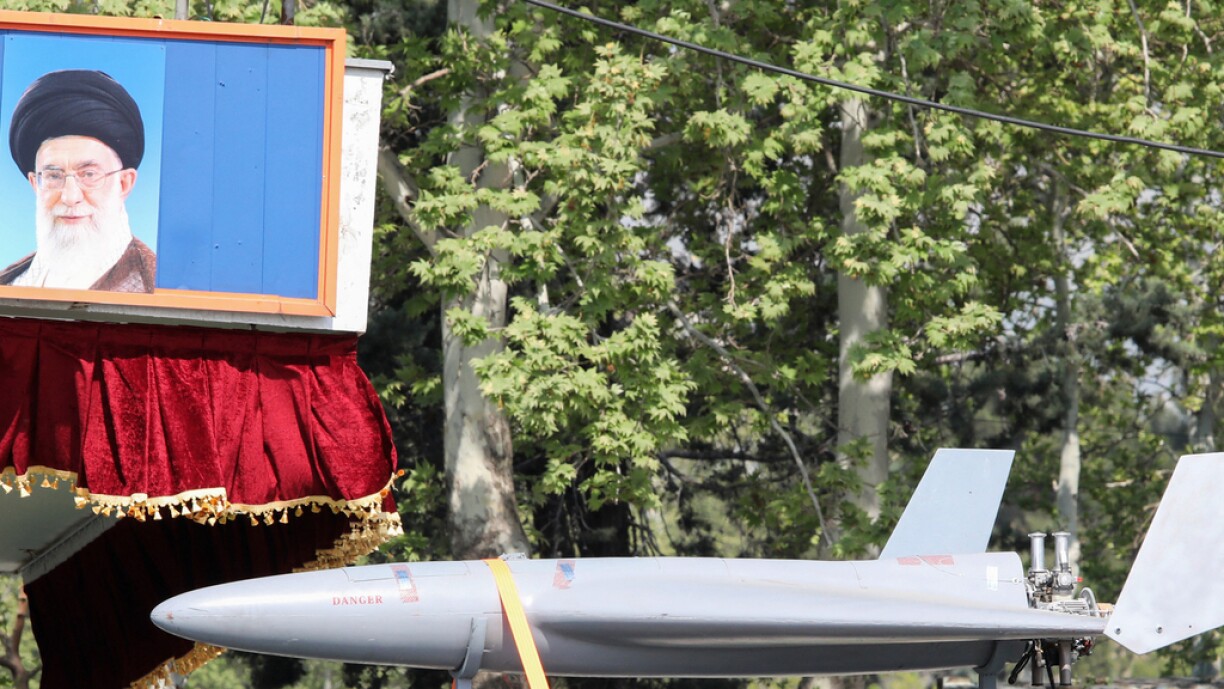
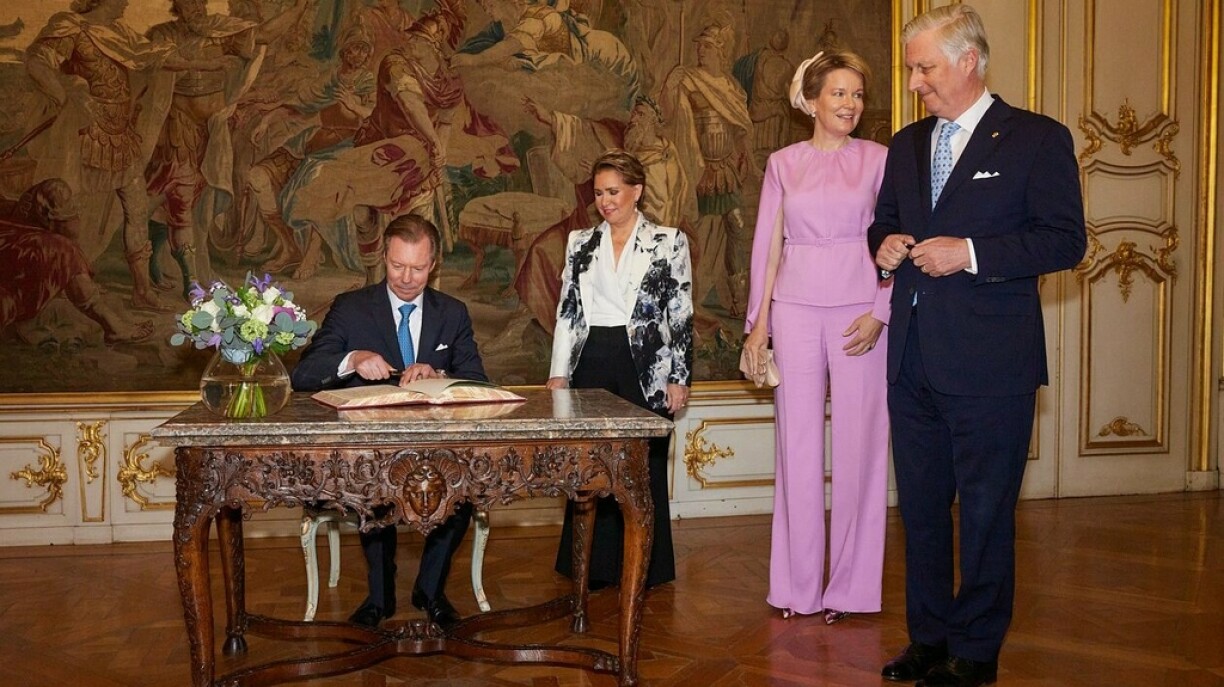
Iran reported explosions in Isfahan and denied foreign involvement, attributing the blasts to drone strikes possibly from within the country while asserting no major damage occurred.
US media reported that Israel conducted these strikes in response to earlier attacks by Iran, though official comments from Israeli and Iranian leaders were not forthcoming.
Tensions in the Middle East are escalating, with fears of wider regional conflict intensified by the recent exchanges of strikes and retaliatory actions between Iran and Israel.
No significant damage – Explosions have been reported in Iran's central province of Isfahan, prompting quick denials of any foreign attack by Iranian state media. These denials were echoed by the Tasnim news agency, which cited informed sources claiming there was no external aggression against Isfahan or other parts of Iran.
Speculation arose that the blasts could be attributed to drone strikes originating from within the country itself. Despite the sounds of explosions, official reports suggested that there was no significant damage or large-scale impact from these events, which were said to involve the interception of several drones by Iranian defence systems.
Advance notice – United States media sources indicated that the explosions in Isfahan were part of a retaliatory strike by Israel, following a series of attacks between the two nations. This sequence of events was set in motion when Iran launched missiles and drones at Israel, allegedly in retaliation for a previous Israeli strike on an Iranian facility in Syria.
The Israeli response, targeting non-nuclear facilities, was reportedly communicated to the US beforehand, emphasising the continued strategic tensions and exchanges of hostilities between Israel and Iran. However, both Israeli and Iranian officials refrained from making any immediate official statements regarding the overnight strikes.
Escalating situation – The situation in the Middle East is becoming increasingly volatile, with the potential for a broader regional conflict seeming more plausible. The recent military actions are part of a long-standing shadow war between Iran and Israel, which has included sabotage, assassinations, and direct military strikes. These developments occur amidst the ongoing war in Gaza, adding another layer of complexity and risk to regional stability.
The UN Secretary General has warned of the dire consequences of miscalculations in this tense atmosphere, urging all parties to practice restraint to avoid a full-scale regional conflict. This instability is already affecting global markets, as shown by a significant rise in oil prices and a sharp drop in major stock indices following the latest reports of military action.
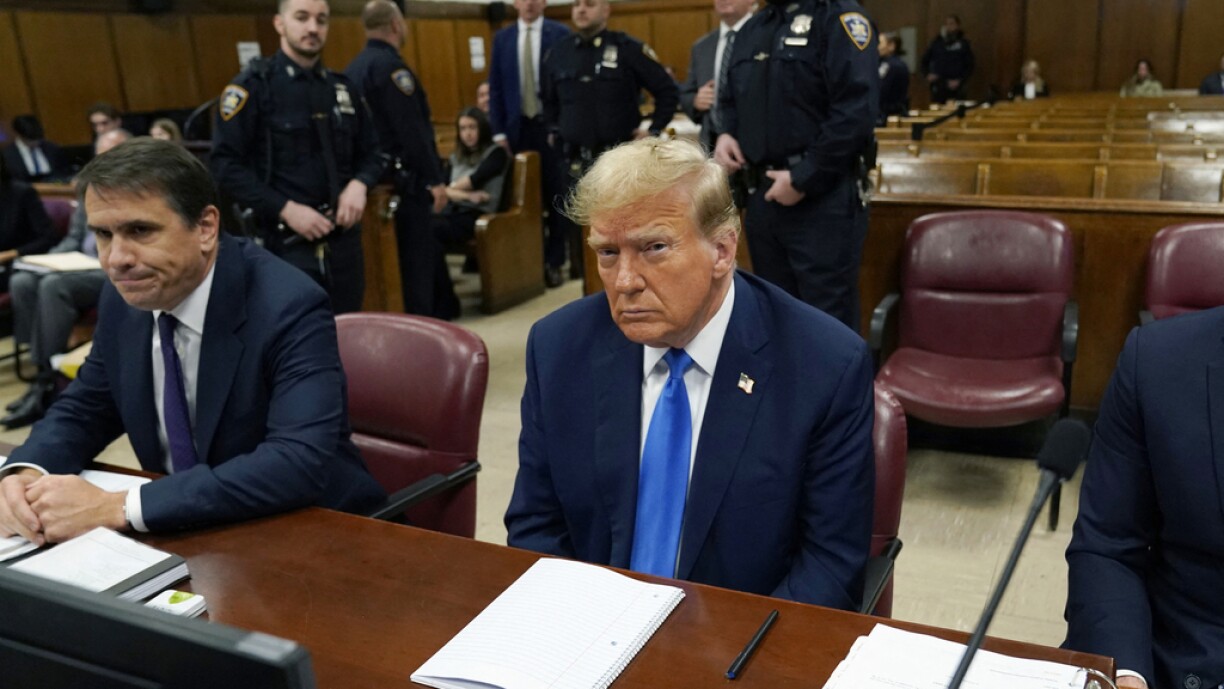
Twelve jurors were sworn in for Donald Trump's criminal trial in New York, where he faces charges of falsifying business records related to a 2016 hush money payment, with six alternate jurors still to be selected.
The trial, expected to last six to eight weeks, coincides with Trump's campaign for the 2024 presidential election, causing him to miss campaign events and express concerns about the fairness and conditions of the trial.
Judge Juan Merchan emphasised the importance of jury anonymity and warned Trump against any courtroom grandstanding or intimidating behaviour towards jurors and court staff.
Jury selected – The criminal trial of former US President Donald Trump in Manhattan involves charges that he falsified business records to conceal a payment made to a porn star on the eve of the 2016 election. As the trial progresses, twelve jurors have successfully been sworn in, following a rigorous selection process involving intense scrutiny of potential jurors' media consumption and political affiliations. The process aims to ensure an impartial jury, with plans to select six alternate jurors who can step in should any of the original jurors be unable to continue.
Campaign woes – The trial's timing is critical as it overlaps with Trump's campaign efforts for the 2024 presidential election, placing significant constraints on his ability to campaign. Trump has vocally criticised the trial, labelling it as unfair and expressing dissatisfaction with both its impact on his campaign schedule and the physical conditions of the courtroom, which he described as uncomfortably cold.
Safeguarding anonymity – Throughout the jury selection and trial proceedings, Judge Juan Merchan has taken steps to maintain the integrity and safety of the jury. This includes directives to the media to refrain from describing jurors physically or revealing their places of employment, aiming to protect their anonymity.
Additionally, Judge Merchan has been firm in managing the courtroom, warning Trump against any attempts to influence the jury through intimidation or other inappropriate behaviour.
Business & Tech – Apple has removed the Meta-owned WhatsApp and Threads from its App Store in China following an order from the country's top internet regulator, Bloomberg reported Friday citing the tech giant.
Science & Environment – Indonesian rescuers raced to evacuate thousands of people Thursday after a volcano erupted five times, forcing authorities to close a nearby airport and issue a warning that the crater collapsing into the sea could cause a tsunami.https://today.rtl.lu/news/world/a/2066108.html
Entertainment – Taylor Swift released her highly anticipated record 'The Tortured Poets Department' on Friday – the eleventh studio album from the megastar who is already having a blockbuster year.
Travel – Flag carrier Luxair inaugurated its first flight to Manchester on Monday morning.
PSA – Luxembourg braces for the increasing activity of ticks, including the newly identified and potentially dangerous Hyalomma species, prompting heightened vigilance and preventive measures across the nation.https://today.rtl.lu/news/world/a/2066108.html
Healthcare – The Ministry of Health and the Centre Hospitalier de Luxembourg have launched Pollen.lu, a new app that provides real-time updates on pollen levels, helping allergy sufferers better manage their symptoms.

Your Weekly Recap is published every Friday at noon. Read earlier versions.





