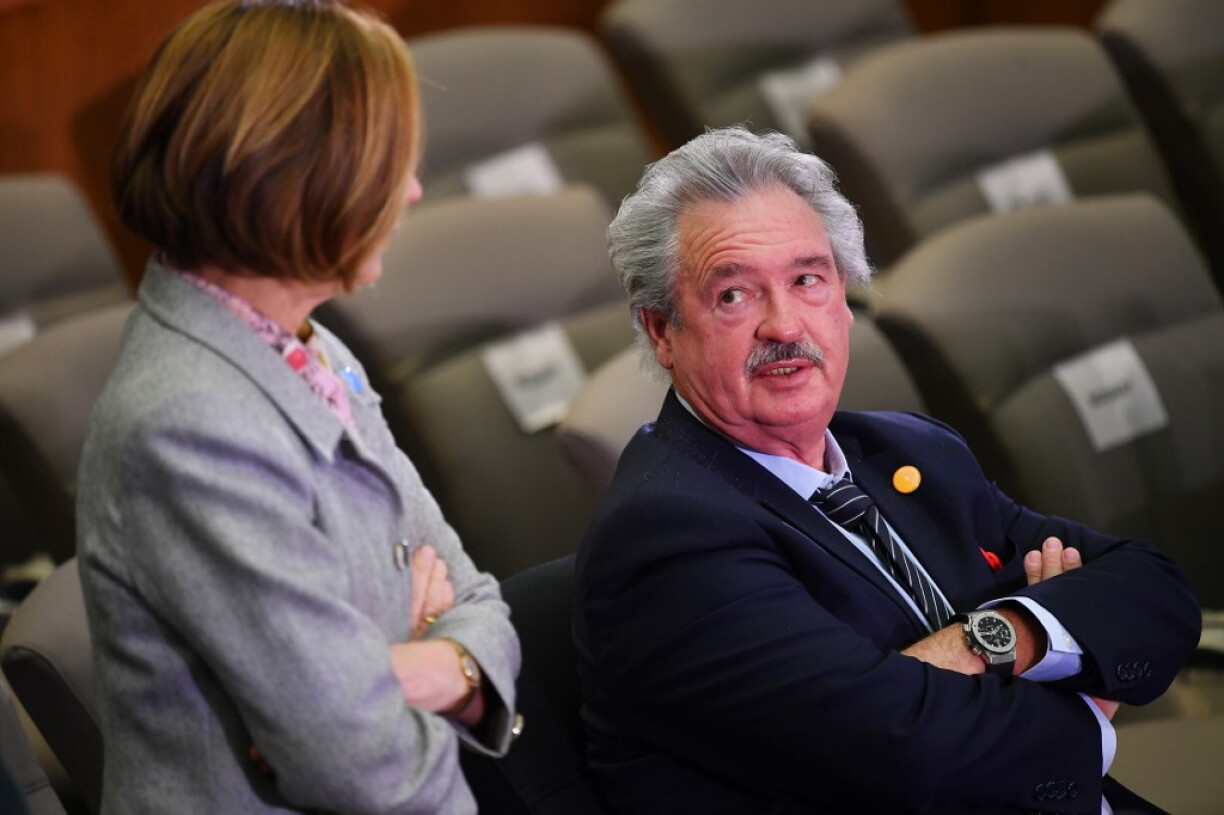
Foreign Affairs Minister Asselborn reaffirmed his ambition concerning the abolition of the death penalty beyond European borders. The issue came up in relation to the fate of Murtaja Qureiris, imprisoned since the age of 13 in Saudi Arabia.
"The youngest prisoner in Saudi Arabia" had been facing the death penalty but was eventually sentenced to 12 years in prison for taking part in an anti-government demonstration. However, as deputy Laurent Mosar pointed out, even if Murtaja Qureiris’ life was no longer technically in danger, the problem remained as relevant as ever, with initiatives such as the United Nations Children's Fund regularly denouncing Saudi Arabia’s continued execution of minors.
How then, asked Mosar, was the Luxembourgish government going to react? And how, he continued, would they address the case on both European (EU) and international (UN) levels?
Jean Asselborn maintained that Luxembourg seized every possible opportunity to underline its unequivocal opposition to the death penalty, especially when in relation to minors. Going beyond the issue at hand, the minister called for the suspension of "all executions" in order to achieve "a complete and universal abolition of the application of the death penalty".
Returning to the case of Saudi Arabia, Mr. Asselborn assured that the European Union would not hesitate to raise the subject with the Saudi representatives and insisted that Luxembourg would continue to commit in favour of universal abolition of the death penalty in every way possible.
We can only hope that despite a clear risk of a global regression on the issue, Mr Asselborn's appeal will be heard. If the Qureiris case has taught us anything, it is that international pressure can change things.





