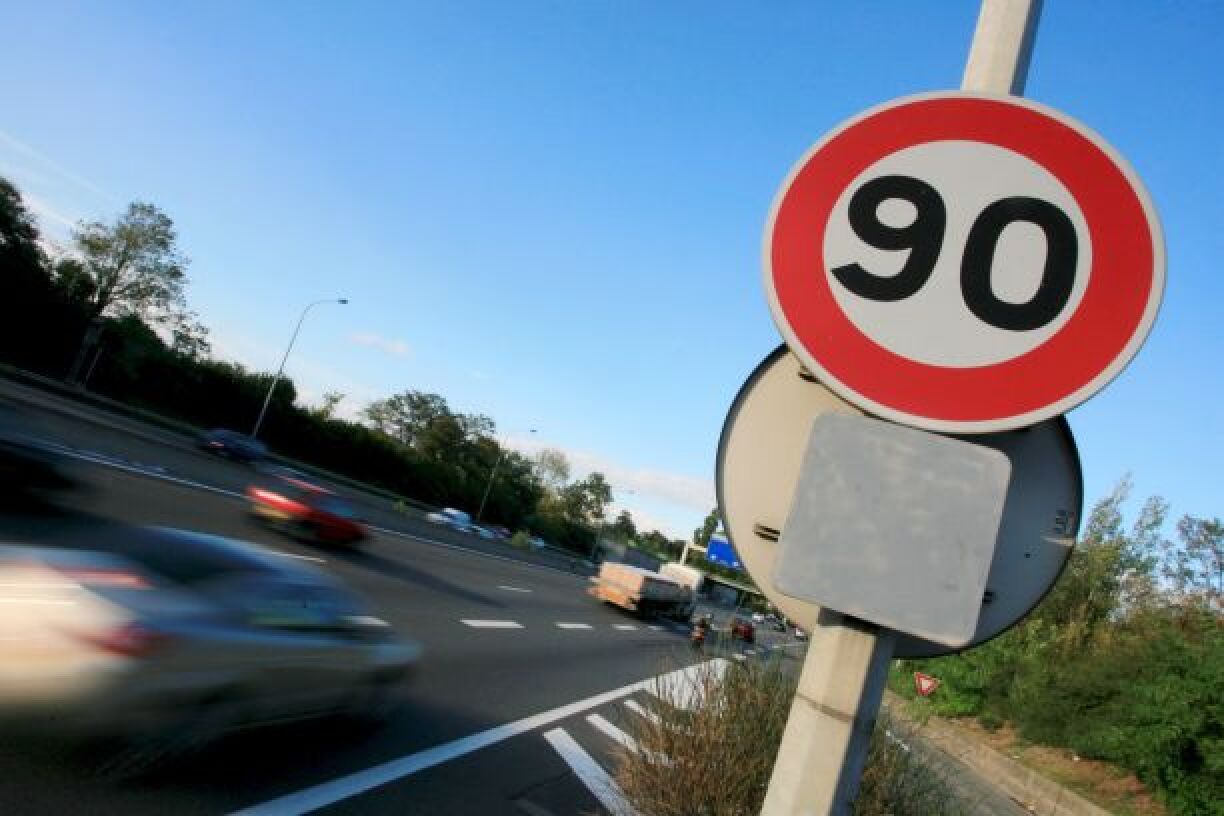
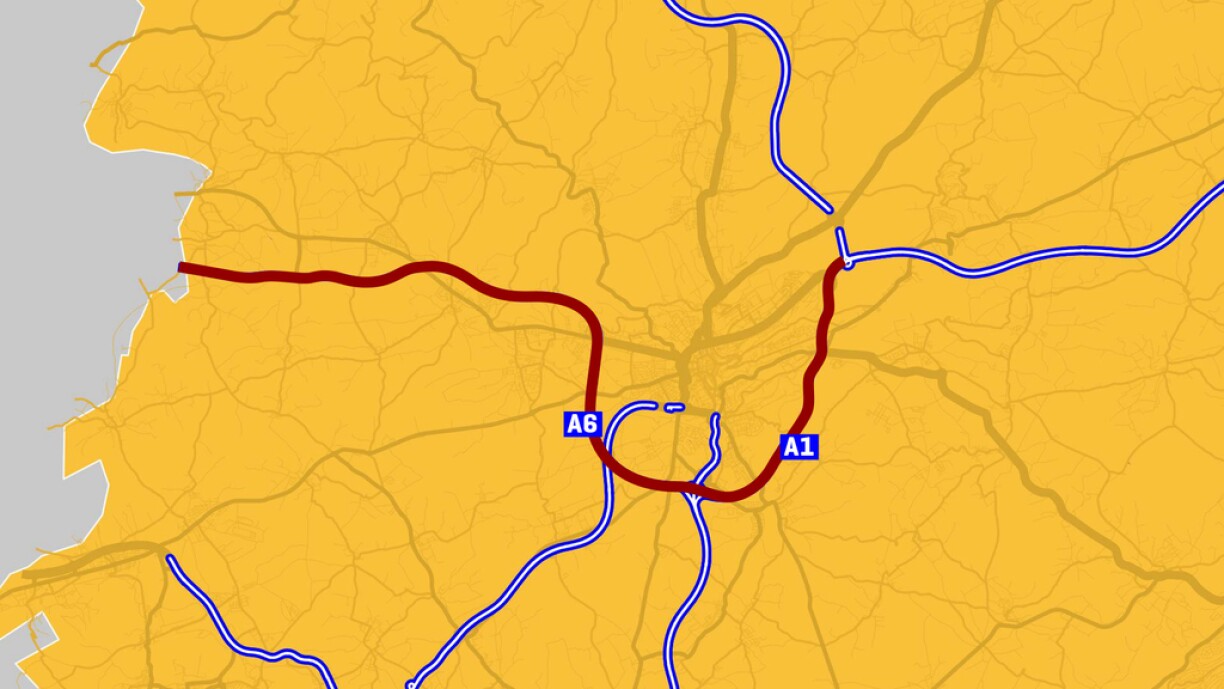
This is one of the measures aimed at easing heavy traffic in and around Luxembourg. The implementation of a "speed regulation" test phase on the A6 and A1 during morning rush hour starts next Monday and lasts until 12 July. The new speed limit will be active on the stretch between the Belgian border and Kirchberg.
The idea was presented as part of the planned introduction of a carpool lane. According to the Bridges and Roads Authority, lowering the maximum speed from 130 to 90 km/h will render rush hour traffic more fluid and prevent traffic jams.
These changes will be initiated from Mondays to Fridays between 6.15am and 9.15am (roughly), outside of school holidays and public holidays. Sections which, if any, have incidents or accidents that require additional traffic management measures, are not affected.
CITA dynamic signs will mark the morning speed limit, which will be applied over a total distance of 28 kilometers.
Police will be monitoring these roads.
It may seem odd to lower the speed limit in order to speed up travel times. However, these methods have been tested and apply principles of fluid physics. The effort that everyone makes by agreeing to moderately decrease their speed delays the formation of traffic jams and shortens travel times.
In the same vein, dynamic speed regulation relies on real-time traffic conditions and allows immediate reaction that adapt traffic conditions and avoid congestion, traffic jams, as well as optimising flow management.





