PFAS (per- and polyfluoroalkyl substances) are a vast group of chemicals found in products ranging from water-repellent clothing and cosmetics to food packaging, firefighting foam, and fertilisers. Their chemical stability makes them highly resistant to degradation, allowing them to accumulate in the environment. In the human body, it can accumulate through inhalation, ingestion or skin contact.
At high concentrations, certain PFAS compounds have been linked to cancer, elevated cholesterol, and reduced fertility. These associations have emerged most notably in US studies involving prolonged exposure to PFOA (perfluorooctanoic acid), a now-banned substance in the EU since 2020, noted Laurence Wurth from Luxembourg’s Health Directorate.
However, researchers stress that the full impact of PFAS exposure remains unclear, especially due to the so-called “cocktail effect”. As Wurth explained, people are typically exposed to a wide mix of substances over their lifetime, and how these interact with each other in the body is still poorly understood.
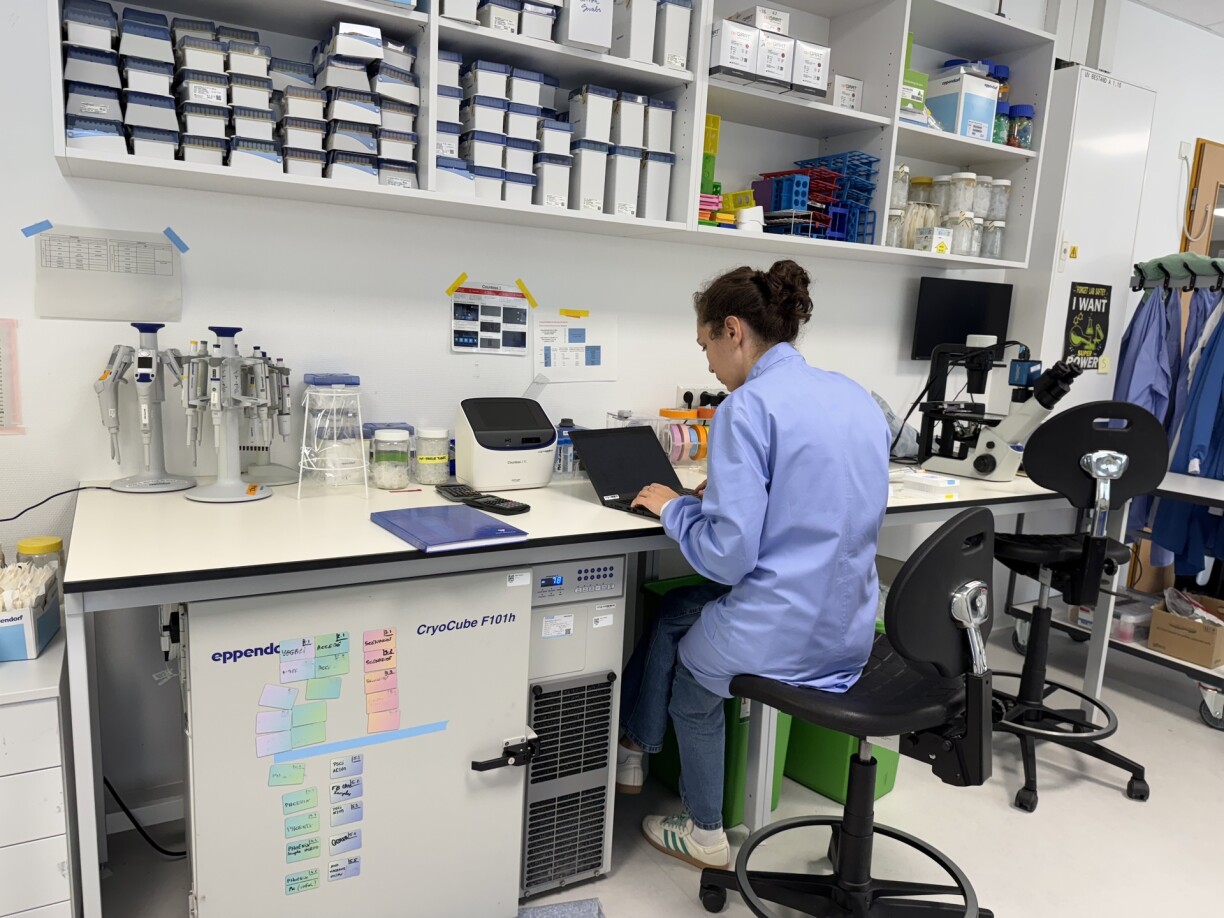
At the Luxembourg Institute of Science and Technology (LIST) in Belval, scientists are studying how PFAS affect cell cultures. While some biological effects are observable in the lab, these don’t necessarily translate directly to real-world human health impacts, said researcher Emma Arnesdotter.
She added that the human body has many defence mechanisms that may help neutralise these effects, but certain concerns are becoming more evident. For instance, PFAS exposure appears to weaken the immune response to vaccines such as tetanus or rubella, which Arnesdotter described as a serious concern.
Importantly, not all PFAS behave the same way. Some accumulate more in the body, while others are less toxic.
One compound, TFA (trifluoroacetic acid), is a by-product of other PFAS and is already found in rainwater. Though it is also persistent, it’s a smaller molecule and seems to accumulate less in the body.
“In the limited studies available, TFA appears to be less toxic than PFOA”, Wurth explained, though she emphasised the need to keep exposure as low as possible given the many remaining uncertainties.
In terms of regulation, Wurth explains that five European countries are currently reviewing a proposal to ban PFAS as a group, except for essential uses.
This proposal is now under evaluation by the European Chemicals Agency (ECHA), and Luxembourg could align with this initiative, she said, adding that since October last year, Luxembourg has had an interministerial PFAS working group, tasked with improving monitoring of PFAS in water, food and soil, and with tracking population exposure more closely.
Wurth explained further that they are also evaluating sector-specific actions to reduce environmental pollution. “There are many sources of PFAS, and ultimately, each sector must take responsibility and propose measures”, she said.
Looking ahead, Wurth stated that Luxembourg aims to gather more data. She gave the example of a national study that is currently analysing PFAS levels in the bodies of 300 children, to be followed by 300 adults.
However, Arnesdotter stressed that research should not stop at health impacts. She said that the focus should lie on removing PFAS from nature. “Trying to study what 15,000 different compounds might do is not feasible”, she concluded.
Currently, Luxembourg measures only 20 PFAS compounds in water, with a legal limit of 100 nanograms per litre, far above the current national average of just 1.2 nanograms. For TFA, an indicative threshold has been set at 12,000 nanograms, with levels currently around 850.





