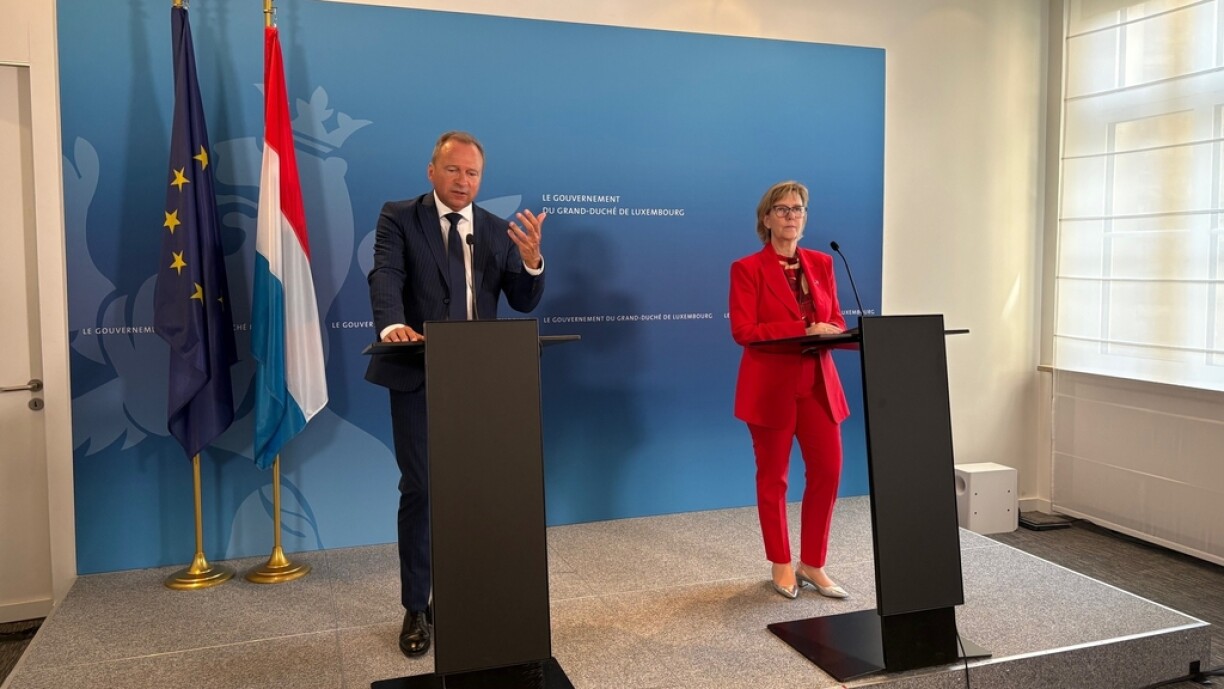
The European Union’s long-running effort to boost cross-border investment – recently re-branded as the Savings and Investment Union – is gaining fresh momentum following key diplomatic moves and a shift in tone among negotiators. On Wednesday, Luxembourg’s Finance Minister Gilles Roth met with EU Commissioner for Financial Services Maria Luís Albuquerque in Luxembourg, where both signalled cautious optimism about progress.
Roth described discussions as more constructive than in the past, while Albuquerque reiterated the goal of achieving single supervision, though “not necessarily a single supervisor”.
The initiative, formerly known as the Capital Markets Union, aims to channel billions of euros in private savings across the EU into productive investments, helping drive growth and reduce reliance on bank financing. Despite ten years of development, the project has stalled over national disagreements – most notably France’s push to centralise supervision in Paris, a move opposed by Luxembourg.
A breakthrough came in March when Luxembourg Prime Minister Luc Frieden prompted a concession from French President Emmanuel Macron during an EU summit. Both leaders later stated there was “no blockage” on the file.
Read also: Frieden and Macron see no blockage on the Capital Markets Union topicWhile Albuquerque confirmed that some market activities might fall under the European Securities and Markets Authority (ESMA) in Paris, she said decisions would depend on the outcome of a current market survey, and stressed that the priority was harmonised supervision, not institutional centralisation. Minister Roth meanwhile emphasised that Luxembourg’s financial sector already complies with EU regulations and would continue doing so.
“If certain adjustments are made, say, if licensing requirements are tightened, Luxembourg will of course adapt”, Roth commented. He and Albuquerque insisted that the Union should cut administrative red tape, not add to it.
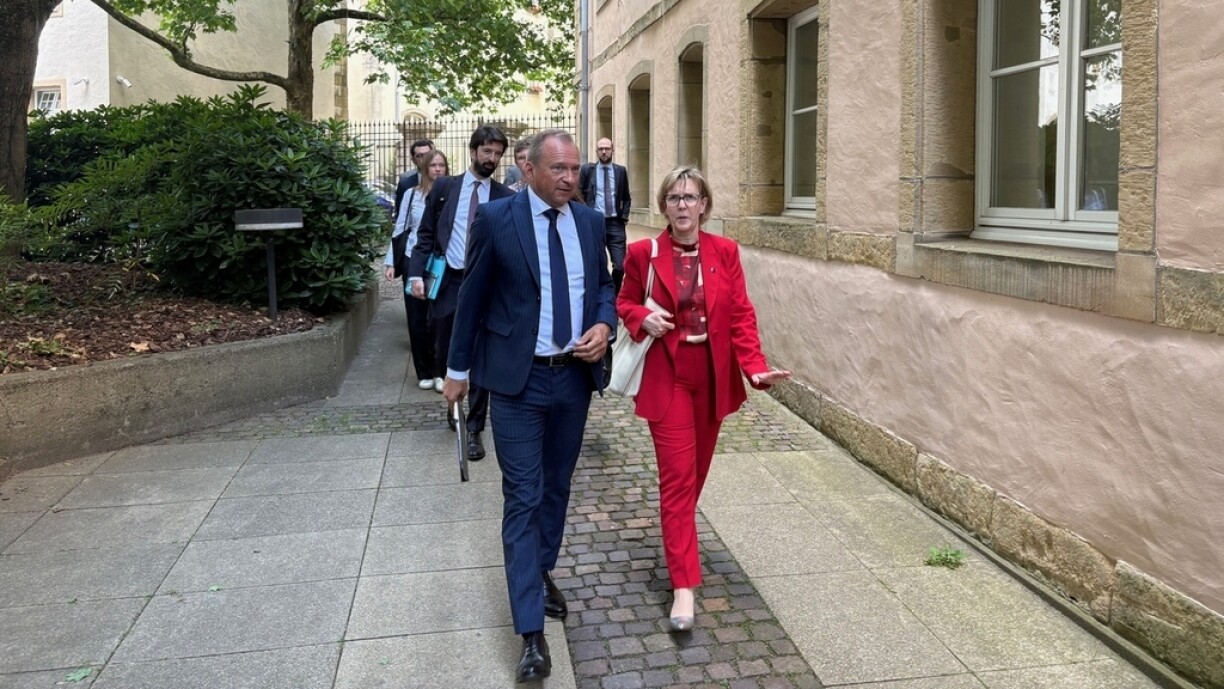
However, technical and political challenges remain. Albuquerque cited factors keeping capital locked in national bank accounts, including so-called ‘goldplating’ of EU directives, protectionism, inconsistent legal interpretations, and mistrust between national regulators. She added that while the goal is greater cross-border investment, tax issues still deter flows – for instance from Luxembourg to countries like Portugal.
The European Commission is expected to present new legislative proposals by year’s end, but the final agreement will rest with the member states.





