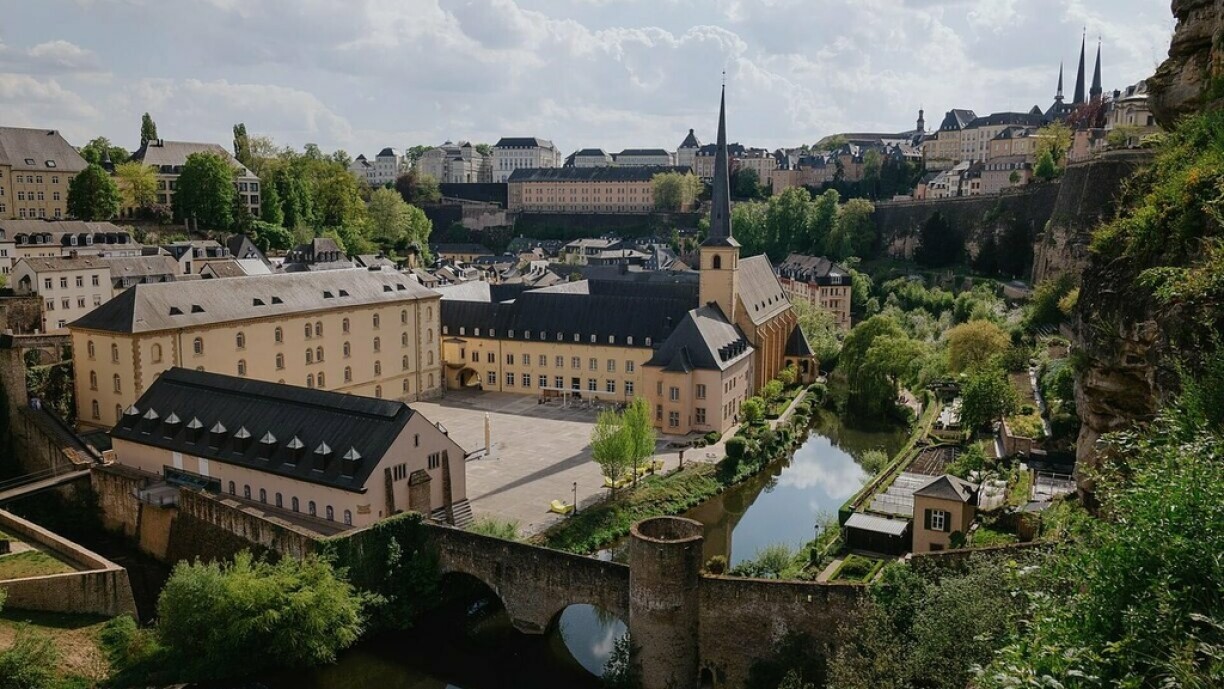
Botanists and scientific collaborators identified Parietaria officinalis, also known as upright pellitory or Grousst Glaskraut, in the Grund district – its first confirmed sighting in the capital since 1933. The species, part of the nettle family, typically grows on nutrient-rich rubble and is thought to have been introduced centuries ago from the Mediterranean.
The find was made close to the museum itself and documented in the national biodiversity database, iNaturalist.lu, which collects data on species distribution across Luxembourg. The plant is classified as critically endangered and had been considered extinct in its historical location.





