The Findel detention centre, which opened in 2011, plays an important role in Luxembourg's immigration policy by detaining individuals whose stay in the country is considered illegal and whose return to their country of origin is involuntary. This contrasts with the halfway house for returnees in Kirchberg, which accommodates individuals who are willing to be repatriated and require support to do so.
Vincent Syberz, director of the detention centre and manager of the Kirchberg house of return, explains in an interview with RTL that detention is seen as the last possible resort in individual cases. Detention can only be applied to those who face the genuine possibility of being returned – with their time in the centre being as short-lived as possible.
Syberz adds: there are two legal bases for the detention of individuals; namely, the law on international protection (asylum), and immigration law. Individuals who illegally reside in Luxembourg, and who do not choose to voluntary return to their home countries, are at risk of landing in the detention centre. It is for these individuals, the detention centre at Findel was designed.
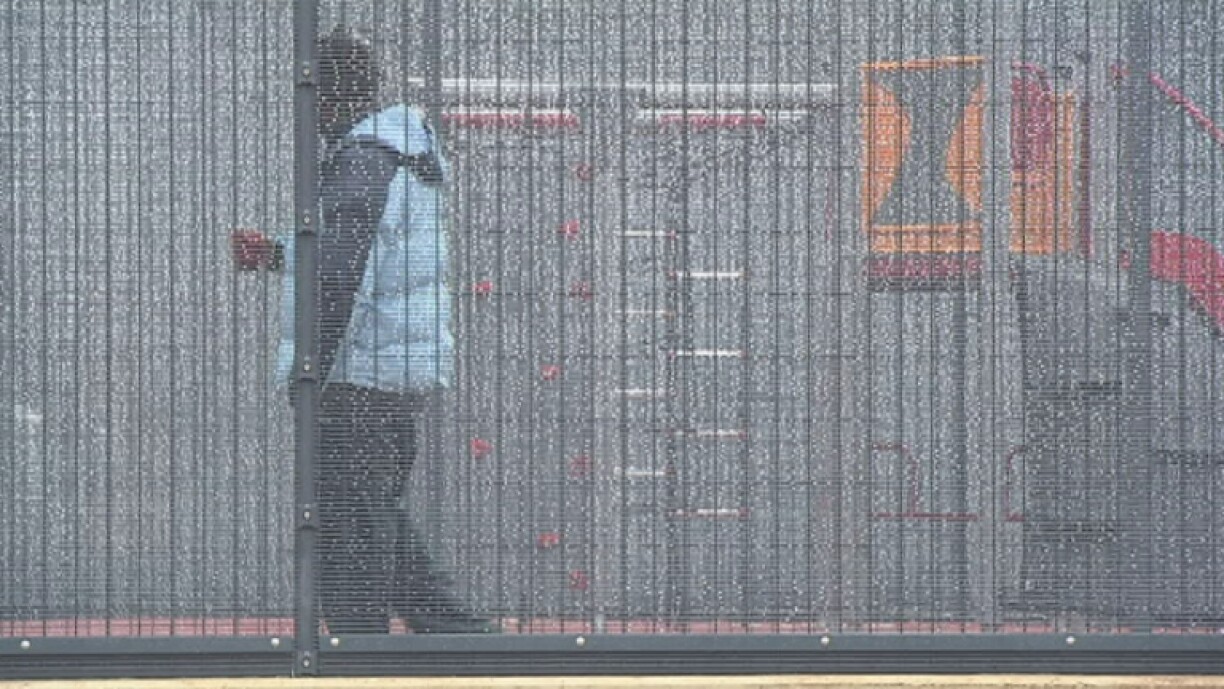
With a maximum capacity of 60 people, the detention centre currently houses 49 individuals – 44 men and five women. Their stay lasts an average of 40 days, according to Syberz. Unlike the house of return in Kirchberg, the centre is a closed facility, meaning residents are detained and must remain inside. However, Syberz notes that various activities are organised within the centre, including football, fitness sessions, creative workshops, baking, and cooking classes.
Activities are only available throughout the day, as detainees must remain in their allocated rooms between 10pm and 7am. According to Syberz, this routine was determined as the best option, with the centre experiencing few problems so far. Furthermore, each individual is allocated a single room equipped with an entertainment system.
Of interest to the rest of Europe, Luxembourg's detention centre has reported very few incidents – especially when compared to similar facilities across the continent – thanks to its management and support system. According to Syberz, the centre is considered a model for other countries, a success he attributes to an approach he describes as "less prison-like." One key difference lies in the management structure: unlike many other institutions run by local police, Luxembourg's retention centre is managed by its own civil administration.
Addressing the aspects that need improvement, Syberz underscored the need to expand the range of meaningful activities for detainees, an initiative that is currently in the works.





