
Here are five things you should know at the end of this week:

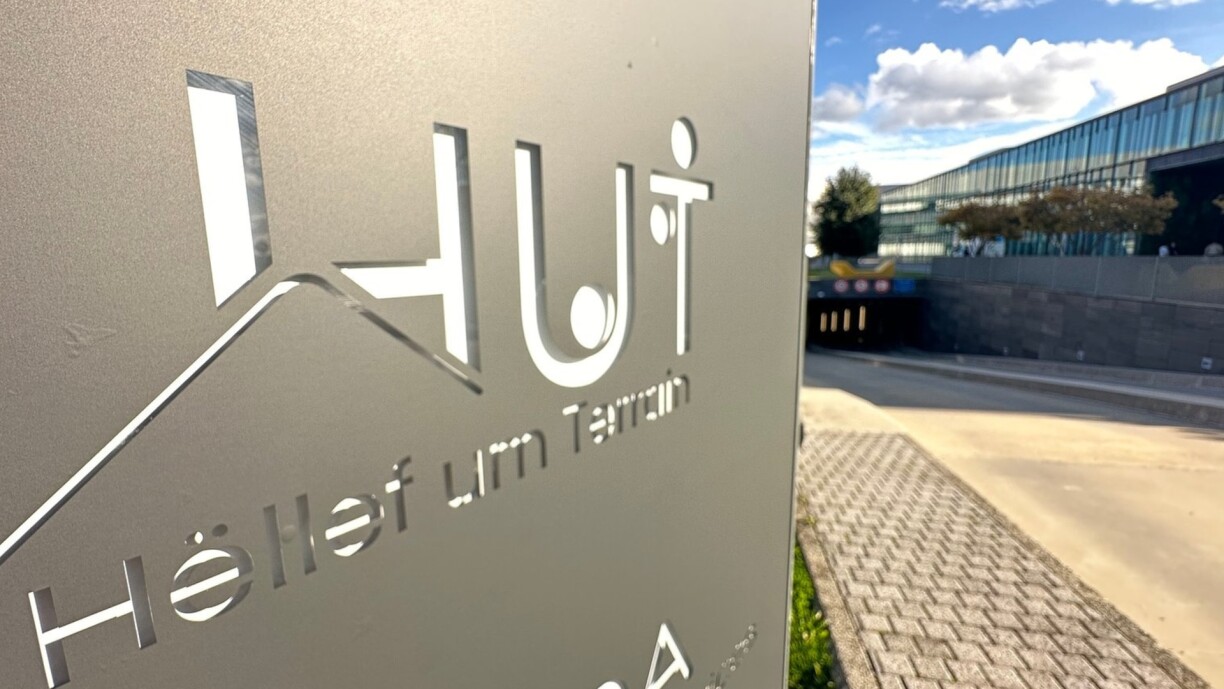
Over 300 Caritas employees were asked to sign new contracts with the non-profit HUT amid a chaotic transition following the €61 million embezzlement scandal, with concerns about transparency and pressure on staff.
Chaotic transition – In the wake of the €61 million embezzlement scandal that rocked Caritas, over 300 employees were summoned to sign new employment contracts with a newly formed non-profit, HUT, tasked with taking over Caritas' national activities. The transition, which began on 1 October, has been described by some employees as chaotic and lacking in transparency.
Reports indicated that staff were forbidden from photographing the contracts or taking them out of the signing room and were pressured to sign without adequate reflection. Some employees resisted signing in the hope of retaining their positions with Caritas, but the majority ultimately signed due to concerns about job security, especially those working with vulnerable groups such as homeless individuals and unaccompanied minors.
Union criticism – The Independent Luxembourg Trade Union Confederation (OGBL) has been actively involved in representing the affected employees, raising serious legal concerns about the transition. The union has criticised the lack of a formal company transfer process and the pressure placed on staff to sign the new contracts, asserting that labour laws have been violated.
Specific issues highlighted include employees on sick leave being asked to retroactively sign contracts and concerns over unpaid leave deductions. OGBL also noted changes in working conditions, such as extended working hours and the introduction of weekend and night shifts, which some employees had never experienced under Caritas. As a result, the union is preparing legal action against both Caritas and HUT to address these violations and protect the rights of the workers.
Limited government support – The Luxembourg government, led by Prime Minister Luc Frieden, has stepped in to provide limited financial support to help wind down Caritas' operations, offering a transitional loan to ensure remaining employees can be paid while Caritas finalises its affairs. Meanwhile, there is a concerted effort to preserve some of the international aid projects previously run by Caritas, including initiatives supporting Ukrainian refugees and earthquake relief in Turkey.
Foreign Minister Xavier Bettel has expressed the government's commitment to finding new organisations to take over these critical projects, though challenges remain. In addition, the government is working to safeguard Caritas' political advocacy work, which has been seen as a valuable voice on social issues, and is looking for ways to retain employees involved in these initiatives.
The Chamber's budget control commission is investigating accounting discrepancies in the Pirate Party's development of the MALT language app for asylum seekers, with concerns raised of document falsification.
Pirate MP Marc Goergen has accused fellow MP Sven Clement of involvement in these discrepancies and has taken legal action, fuelling internal party conflicts.
The investigation has further revealed broader issues in the National Reception Office's oversight, prompting further scrutiny by the Court of Auditors and highlighting flaws in its control mechanisms.
Probe launched – The budget control commission of Luxembourg's Chamber is investigating discrepancies in the financial records related to the development of the MALT language app, an initiative spawned by the National Reception Office (ONA) and led by the Pirate Party to support asylum seekers from Arab countries. These discrepancies have raised serious concerns, including allegations of falsified documents, which could have legal ramifications for those involved in the project. This investigation highlights potential mismanagement and financial irregularities within the app's development process.
Internal strife – Pirate MP Marc Goergen has publicly accused fellow party member and MP Sven Clement of being involved in the accounting irregularities surrounding the MALT project. Goergen therefore initiated legal action against Clement, escalating internal tensions within the Pirate Party. This internal conflict has not only attracted public attention but also threatens the unity of the party as it faces legal scrutiny, with several members having left the party in recent weeks.
Auditors' Court involved – The investigation has also exposed deeper flaws in ONA control mechanisms, with missing documents, untraceable audits, and contracts that do not meet compliance standards. These procedural errors have raised questions about the overall governance and accountability within the ONA. As a result, the Court of Auditors has been brought in to review these issues, underscoring the need for stronger oversight and management of asylum-related programmes.
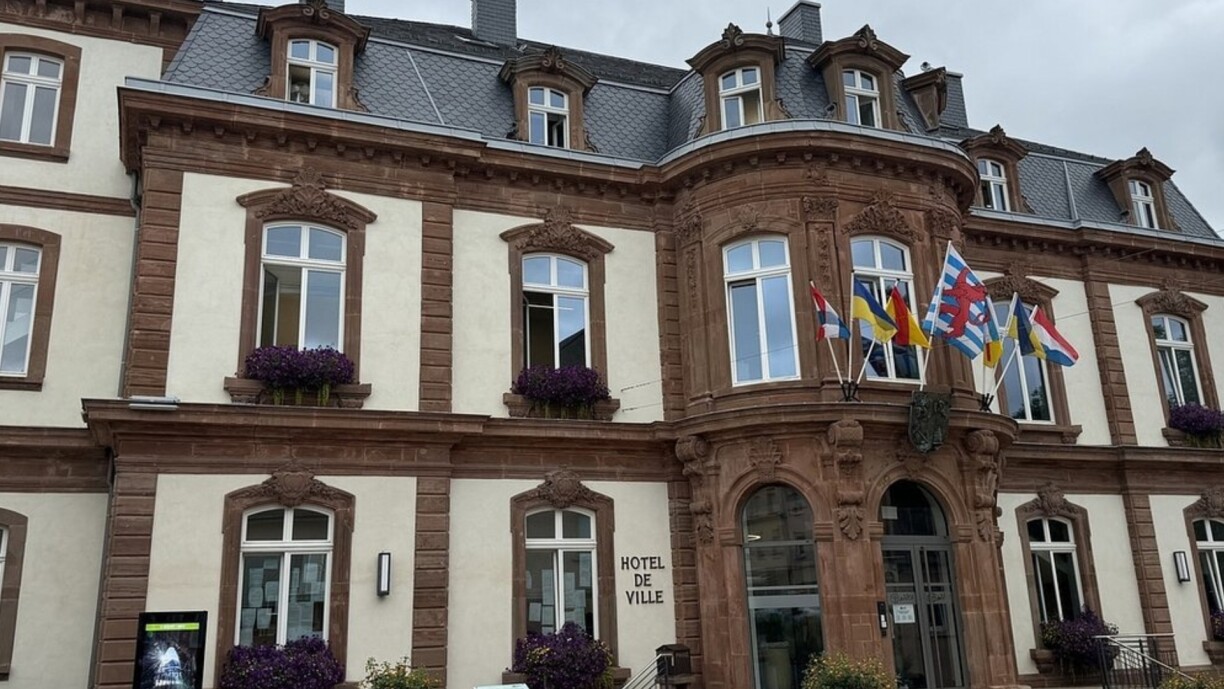
A Wiltz councillor this week proposed reducing FC Wolz 71's annual funding by one third following a post-match brawl and redistributing it to other local sports clubs.
The club's president, Michael Schenk, denied any political bias within the club and clarified that subsidies are used for youth development and site maintenance.
Wiltz Mayor Carole Weigel distanced the municipality from the councillor's comments, affirming the local government's equal support for all sports clubs.
Political jab? – Following a violent altercation between players after a football match, Wiltz councillor Maurice Muller of the Democratic Party (DP) suggested reducing FC Wolz 71's municipal funding by one third and reallocating those funds to other sports clubs in the area. Muller criticised the club in a personal Facebook post, citing dissatisfaction with the club's role in the recent events. His remarks were also seen as a political jab at FC Wolz 71’s president, Michael Schenk, who is affiliated with the Luxembourg Socialist Workers' Party (LSAP).
Funding critical for youth development – Michael Schenk, the president of FC Wolz 71, dismissed Muller's proposal, emphasising that the club is not politically affiliated with any party and its executive board includes members from various political backgrounds. Schenk further explained that the annual €400,000 subsidy is crucial for youth development programmes and the maintenance of the football pitches, ensuring the club operates under the same funding rules as other local clubs in Wiltz. He questioned why a reduction in funding would be proposed when all clubs receive equal support from the municipality.
Transparent and equal support – Wiltz Mayor Carole Weigel clarified that Muller's comments were made in a personal capacity and do not reflect the views of the governing CSV-DP coalition. She reaffirmed the municipality's commitment to supporting all sports clubs equally, citing recent investments in infrastructure for tennis, table tennis, basketball, and other sports in the region. Weigel rejected the notion that FC Wolz 71 is favoured over other clubs and assured that the funding process is transparent and fair for all local associations.
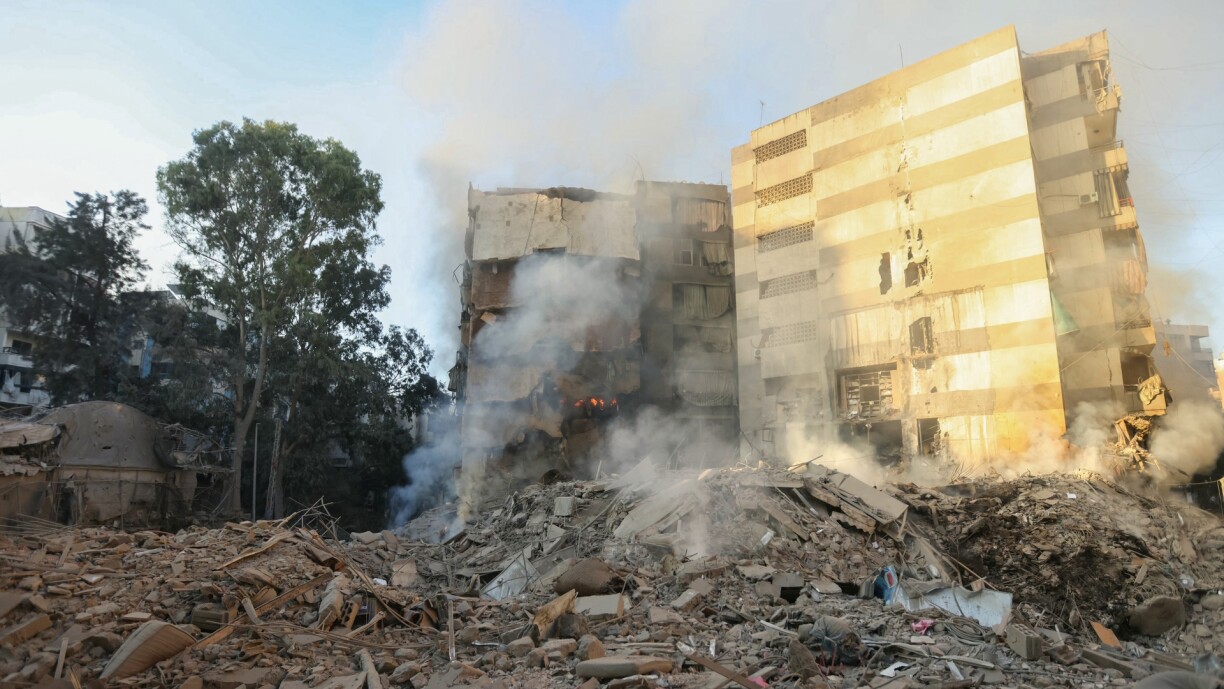
Israel this week launched airstrikes on southern Beirut and the West Bank, killing over 1,000 in Lebanon and marking its deadliest strike on the West Bank in decades.
The escalating conflict has led to retaliations between Israel, Hezbollah, and Iran, with tensions rising after the killing of Hezbollah leader Hassan Nasrallah and an Iranian missile attack on Israel.
As Israeli strikes continue in Lebanon and Gaza, both sides have suffered significant casualties, and calls for restraint have largely failed to halt the fighting.
Attacks intensify – Late on Thursday, Israel launched a series of airstrikes, heavily targeting Hezbollah strongholds in southern Beirut and killing over 1,000 people, according to Lebanese health authorities. These strikes followed Israel's deadliest attack on the West Bank in decades, with 18 people killed in the targeting of the Tulkarm refugee camp.
The assault was part of an intensifying military campaign that has seen heavy bombardments in both Lebanon and the Palestinian territories, as Israel aims to neutralise threats posed by Hezbollah and Hamas. Civilians in Beirut and other areas are experiencing significant destruction, with thousands displaced from their homes amid ongoing economic and political crises in Lebanon.
Retaliation – The conflict has escalated due to a series of retaliatory strikes between Israel, Hezbollah, and Iran. Iran launched a missile barrage on Israel, claiming it was in response to the killing of Hezbollah leader Hassan Nasrallah and other top figures. Israel, in turn, has been weighing its own retaliation, with reports suggesting that Israeli strikes on Iranian oil facilities may be considered. The United States has supported Israel's defensive posture, while Iranian officials have warned of further action if Israel continues its counterattack.
Peace efforts in vain – The death toll on all sides continues to rise as the conflict persists, with over 41,788 people reported killed in Gaza due to Israeli airstrikes, and significant casualties in Lebanon and the West Bank. Despite calls for restraint from international actors, the fighting has shown no signs of abating.
Hezbollah, emboldened by Iranian support, has kept up rocket fire on Israeli territory, while Israel has conducted ground raids into parts of southern Lebanon and Gaza. Civilians in Lebanon, Gaza, and Israel are bearing the brunt of the violence, with many displaced and fearing a prolonged conflict. The ongoing humanitarian crisis in Gaza and Lebanon adds further urgency to international appeals for a ceasefire, though such efforts have so far proven ineffective.

Mark Rutte, NATO's new Secretary General, downplayed concerns about a potential Trump presidency and vowed to continue supporting Ukraine while reinforcing NATO's defence strategies against Russia and China.
Rutte emphasised the need for increased defence spending among NATO members, highlighting the importance of sustaining long-term support for Ukraine and bringing the country closer to NATO.
During his first trip as NATO's Secretary General, Rutte visited Kyiv, reaffirming NATO's commitment to ensuring Ukraine prevails in its war with Russia, while President Zelensky urged faster delivery of long-range weapons and more active NATO involvement.
Addressing concerns – Mark Rutte officially took over as NATO Secretary General from Jens Stoltenberg at a critical juncture with global security challenges such as Russia's war in Ukraine and China's rising influence. Rutte addressed concerns about the possibility of Donald Trump returning to the US presidency in 2024, dismissing fears by highlighting his experience working with Trump during his time as Dutch prime minister.
Rutte emphasised that Trump had pushed NATO members to increase defence spending, and assured that he would be able to work with either US presidential candidate. His focus remains on preparing NATO for future challenges while ensuring continuity in the alliance's support for Ukraine and global security.
A challenging task – One of Rutte's primary tasks is ensuring NATO members continue increasing their military expenditures, an initiative spurred by Russia's aggression in Ukraine and pushed by previous US administrations. While 23 countries are set to meet NATO's 2% GDP defence spending target, Rutte acknowledges that with ongoing threats, especially from Russia, more spending will be required in the years ahead.
Rutte himself faced challenges in raising defence budgets in the Netherlands, achieving the two-percent target only after many years in office. His leadership will focus on persuading other NATO members to follow suit, a necessary step to maintain and enhance the alliance’s defence capabilities.
Zelensky pleads for active NATO involvement – In a show of solidarity, Rutte made Ukraine the destination of his first official trip as NATO Secretary General, where he met President Volodymyr Zelensky. During their joint media appearance, Rutte reaffirmed NATO's commitment to helping Ukraine prevail in its war against Russia, positioning this goal as a top priority of his tenure.
Zelensky, however, expressed frustration with delays in Western military aid, particularly the supply of long-range weapons, and called for more active NATO involvement in defending Ukrainian airspace from Russian missile and drone attacks.
Business & Tech – OpenAI, the company behind ChatGPT, secured $6.6 billion in new funding, propelling its valuation to $157 billion and cementing its position as the world leader in artificial intelligence.
Science & Environment – The death toll from powerful storm Helene, which battered the southeastern United States, has climbed to at least 155, authorities said Tuesday, as President Joe Biden and Vice President Kamala Harris prepared to survey the damage.
Entertainment – One of two doctors charged in connection with the drug overdose death of Friends star Matthew Perry pleaded guilty in a US court on Wednesday.
Environment – The Government Council on Wednesday approved a legislative proposal to amend key environmental laws, aiming to streamline administrative procedures and accelerate housing construction while balancing urban development with nature conservation.
Education – In an effort to address the issue of teacher burnout in Luxembourg, the National Teachers' Union has launched a new awareness campaign featuring adhesive labels with urgent messages.
Housing – After decades of industrial activity and years of abandonment, the Dudelange steelworks site is now set to become a vibrant new neighbourhood, with a mix of housing, businesses, and preserved heritage buildings.

Your Weekly Recap is published every Friday at noon. Read earlier versions.





