57 MPs voted in favour, while three MPs from the Alternative Democratic Reform Party (adr) chose to abstain.
The right of pardon, which grants the Head of State the power to exempt a convicted individual from their sentence, will still be in operation, but the new law introduces specific conditions for its exercise. The legal framework now establishes clear guidelines for processing data when pardon requests are submitted.
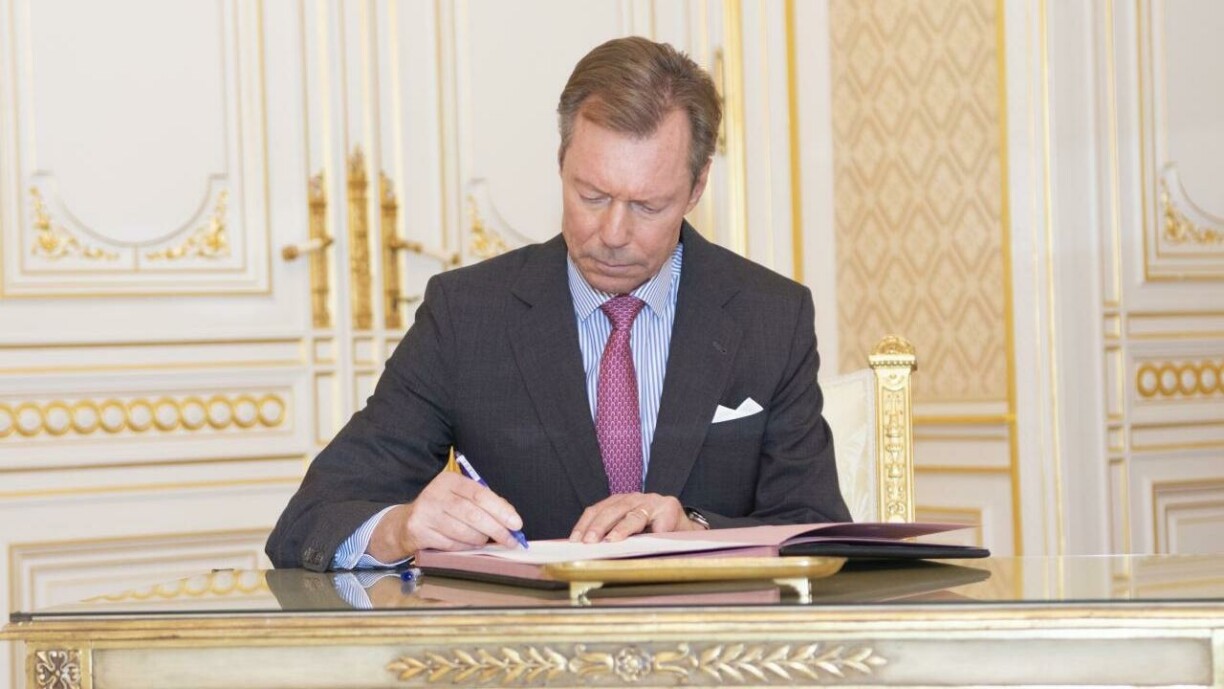
According to the new law, the Grand Duke retains the authority to “remit or reduce sentences handed down by the courts” for individual persons.
This means that the Head of State can choose to grant a full exemption from serving the sentence, a partial exemption, or commute the sentence to a less severe one.
It is important to emphasise that a pardon is not an acquittal and must be treated as an exception. Each pardon request will undergo a thorough individual analysis.
Collective pardons are no longer provided for in the law, as they have not been used in the Grand Duchy for a long time.
When a pardon request is submitted to the Grand Duke, it is forwarded to the Ministry of Justice and subsequently to the Attorney General for consideration. The final decision rests with a clemency commission.
In 2022, approximately 250 pardon requests were submitted, 90% of which related to driving licence withdrawals. However, only a small number of pardons were granted. It is worth noting that if a request is denied, there is no avenue for appeal.





