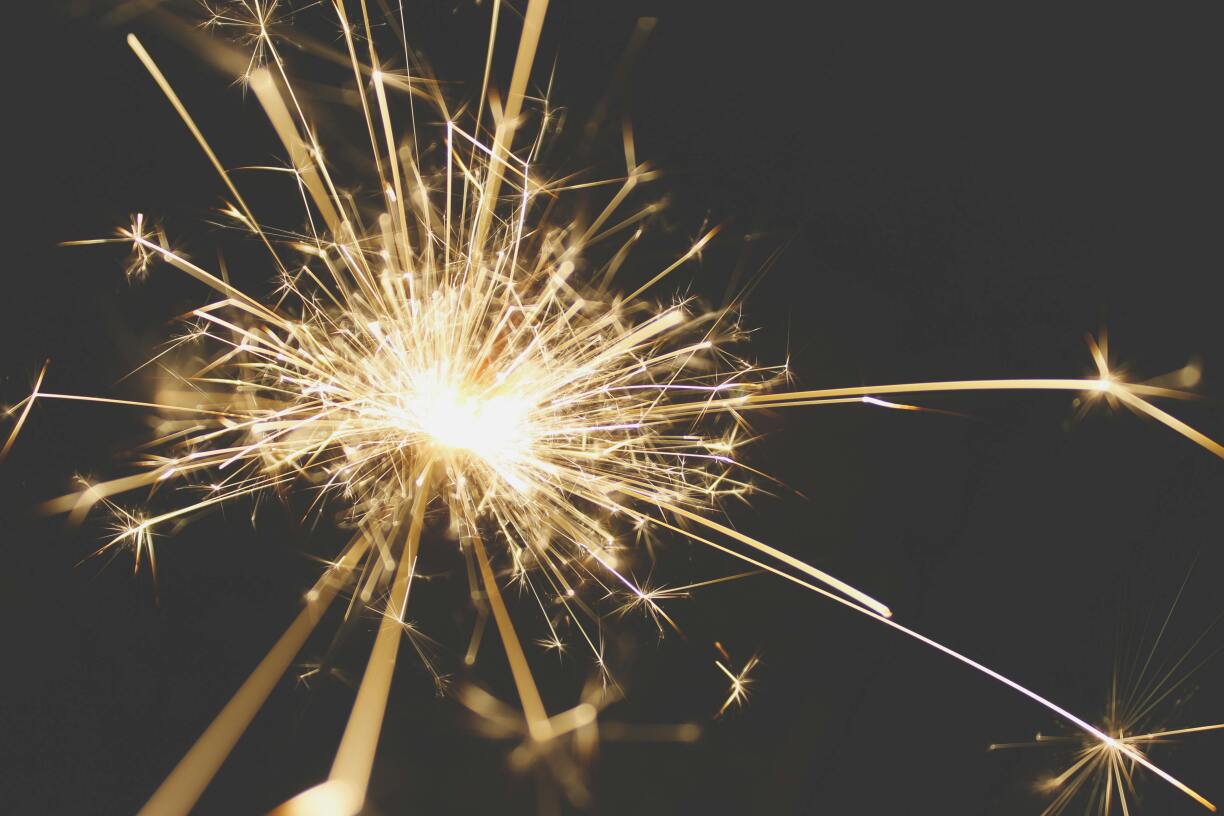
Several nightlife venues in Luxembourg have begun banning sparklers and other open flames following a deadly nightclub fire in Crans-Montana, as operators reassess risks in crowded indoor spaces.
The move comes after the fatal blaze in Switzerland reignited concerns about how quickly fire can spread in enclosed public venues. While no similar incident has occurred in Luxembourg, some operators say the tragedy was a wake-up call.
Among them is Marcello Granieri, manager of a nightclub in Luxembourg City, who confirmed that sparklers are no longer permitted in his establishment.
“Sparklers may look harmless, but they introduce an unnecessary risk”, Granieri said. “In a dark, crowded space, with decorations, alcohol and people moving around, you are adding an open flame into the equation.”
The decision reflects growing caution within the hospitality sector, where sparklers are often used during bottle service or celebrations. While they are not explicitly banned by law, their use falls under broader fire-safety obligations imposed on venue operators.
Fire-safety authorities have repeatedly warned that small ignition sources can have serious consequences in packed venues. According to Luxembourg's workplace safety inspectorate (ITM), operators are responsible for ensuring that all activities within their premises do not compromise public safety.
The Grand Ducal Fire and Rescue Service (CGDIS) has also stressed that fires can escalate within seconds, particularly in venues with limited visibility and high occupancy.
Under Luxembourg’s regulatory framework, nightclubs and similar venues must comply with strict fire-safety requirements, including functioning detection systems, clear escape routes, and staff trained to respond in an emergency. Inspections are carried out before opening and at regular intervals thereafter.
While inspections focus on infrastructure and equipment, decisions such as banning sparklers ultimately remain at the discretion of operators. For Granieri, the calculation was straightforward.
“If something goes wrong, seconds matter”, he said. “Removing a potential ignition source is a simple step that reduces the risk for everyone.”
Authorities have not announced any nationwide ban on sparklers, but further guidance could follow as discussions on fire safety continue in the aftermath of the Swiss tragedy.





