However, it seems that some customers were not warned about the issue with these devices, which are usually used for sleep apnoea. At the end of October this year, patients' representatives therefore drew attention to the product recall. As a result, one person came forward for using one of the affected respirators but not having been informed about the defect.
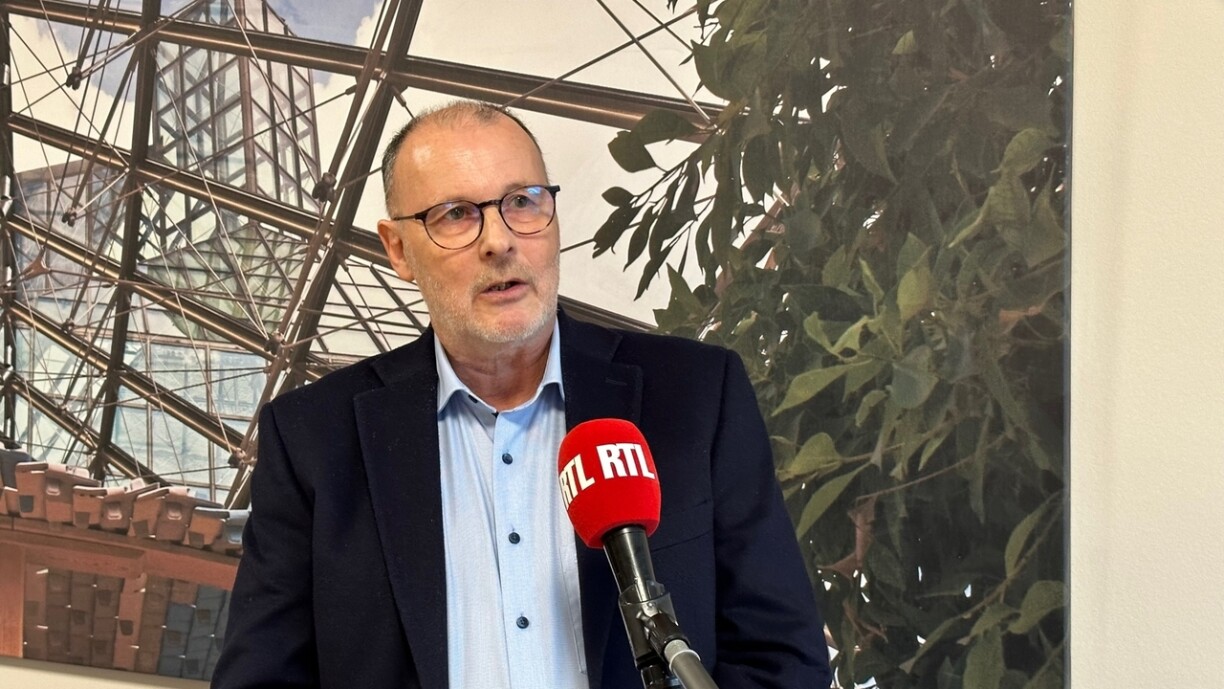
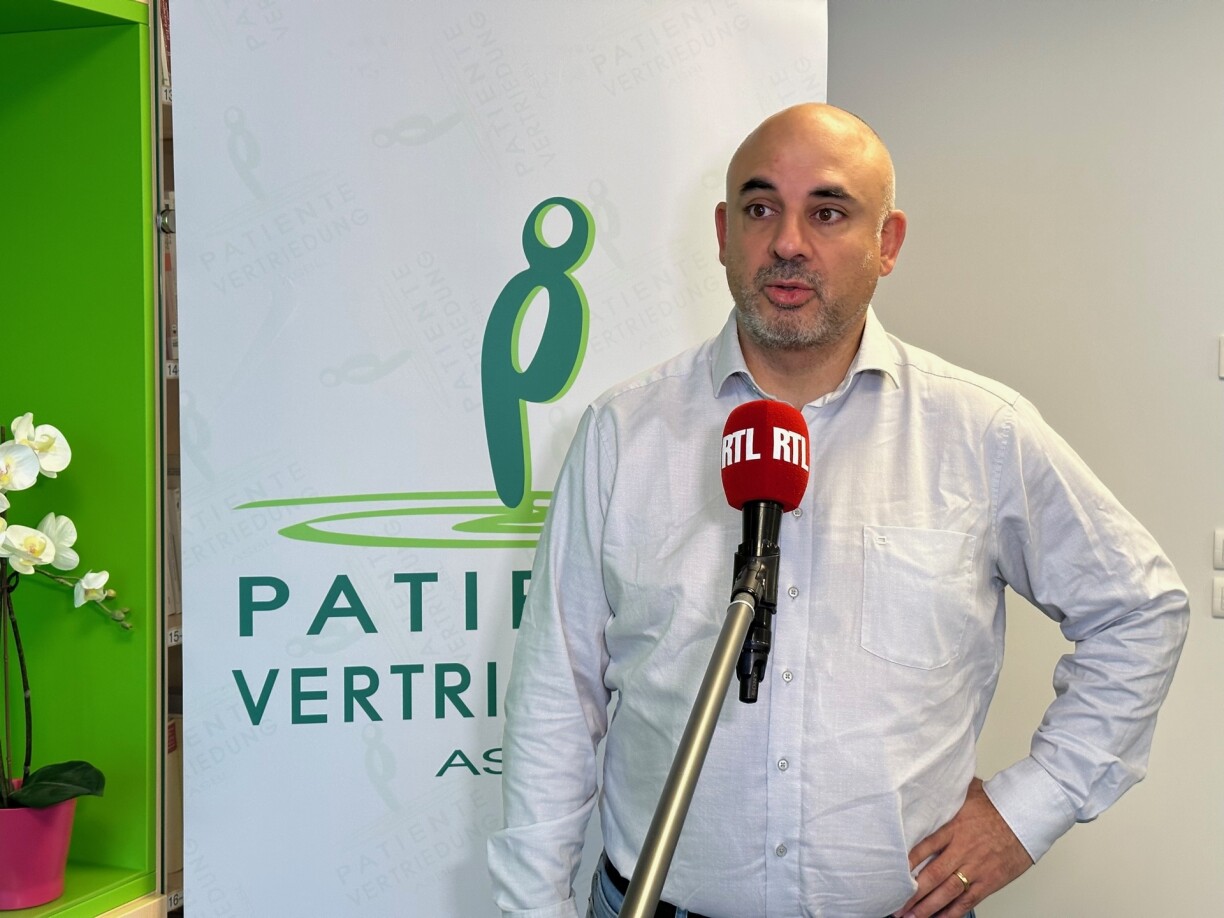
Spokesperson Georges Clees elaborated: "We realised that nothing had yet happened in Luxembourg, nobody was made aware of the defect. We then immediately announced the issue on Facebook and on our website to inform people. We also sent emails to the Ministry of Health and to the Health Directorate to monitor the progress of the case."
Hospital Federation FHL was only made aware of the product recall last week, says secretary general Sylvain Vitali: "According to information given to us by the Health Directorate, there are more than 1,000 patients here in the country that use such a device. In cooperation with [National Health Fund] CNS, we are now contacting all of them to repair or replace the devices."
Two out of four Luxembourgish hospitals have been affected by the recall. According to initial statements from the Ministry of Health, 873 devices were affected at the Centre Hospitalier du Nord (CHdN), but it now turns out that the Robert Schuman Hospitals also received faulty devices. However, latter were provided by an external company, which is why it remains to be seen how many devices were affected.
Although Philips contacted Luxembourgish authorities on 14 June 2021, it still took a considerable amount of time for the information to reach affected people.
Georges Clees, spokesperson for the patient representation, explains: "In 2018, we already had a [similar] problem where it was said that there is no real contact person or agency for such issues here in Luxembourg. There is a medicines authority, but it is not clear whether medical devices are also part of their purview."
For the FHL, however, it is clear who is in charge. Vitali noted that, for the moment, it is part of the Health Directorate's duties to monitor medical devices. A draft law regulating the creation of a respective agency has also been filed already.
In Germany and France, authorities currently recommend that patients continue using the respirators until they find a replacement. Philips has announced that they intend to have 90% of affected devices replaced by the end of the year. The manufacturer also underlined in a statement that studies have found no evidence for an increased cancer risk or long-term harm provoked by the faulty devices.





