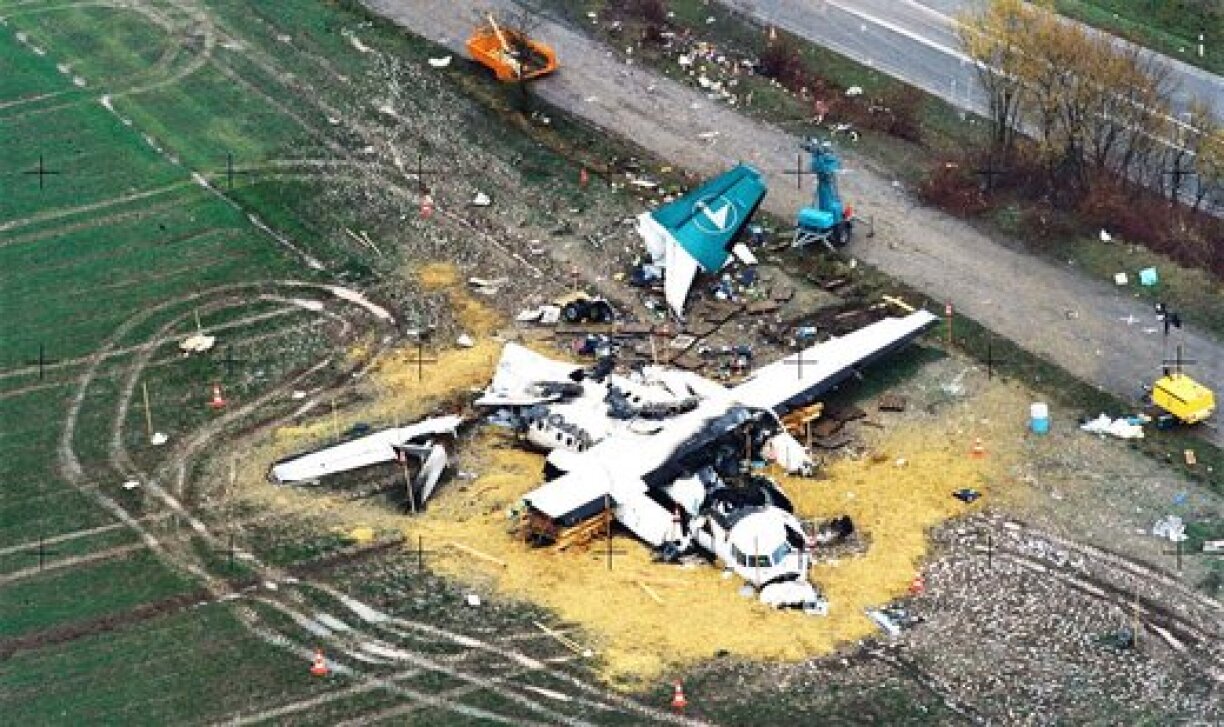
19 passengers and three crew members were aboard the 'Fokker 50' plane, which departed from Berlin Tempelhof and was scheduled to land at Findel airport in Luxembourg at 10.15am on 6 November 2002.
Upon approaching Luxembourg, flight 9642 was met by a wall of fog. Although the plane was equipped to deal with any kind of weather conditions and both pilot and co-pilot trained to handle the situation, the journey ended in disaster: the plane eventually disappeared from radars after crashing in a field between Niederanven and Roodt-sur-Syre at around 10.10am.
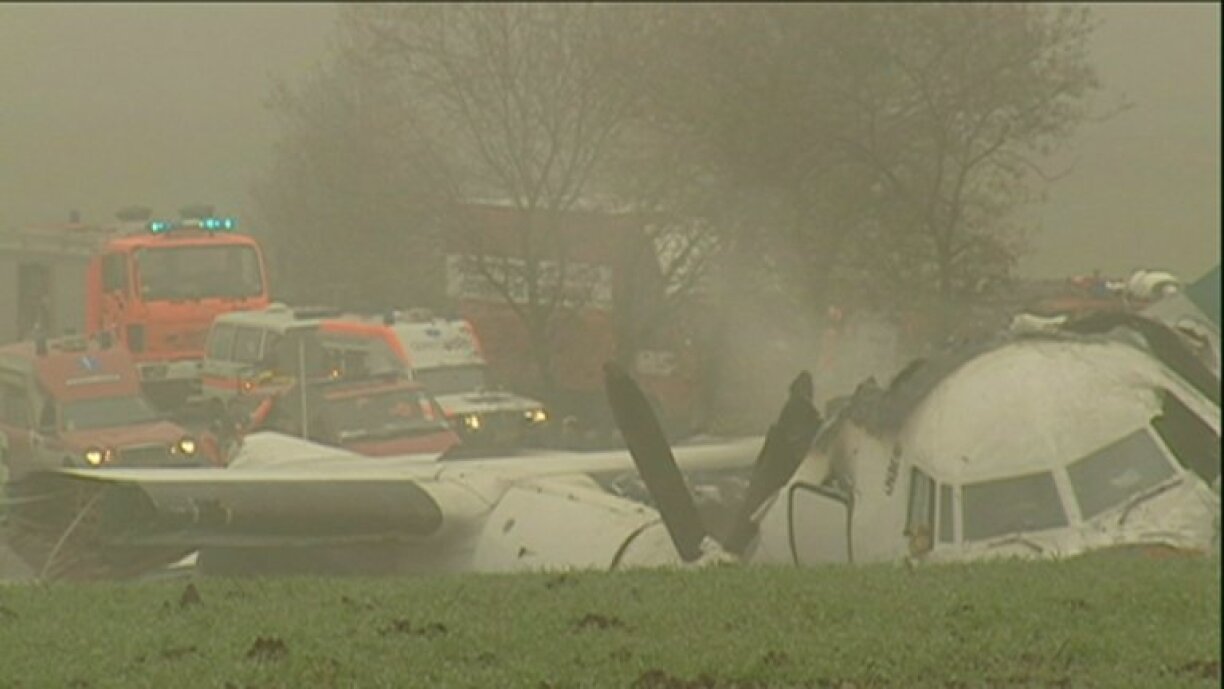
First responders and reporters at the scene became witness to some dire images. Among them was former RTL journalist Paul Zenners, who described the event standing about 100 metres away from the crash site:
"The plane is completely destroyed and partially burned. Emergency services recovered the landing gear on a nearby street after making it to the site at around 10am. Parts and debris of the machine can be found in a 100-metre radius."
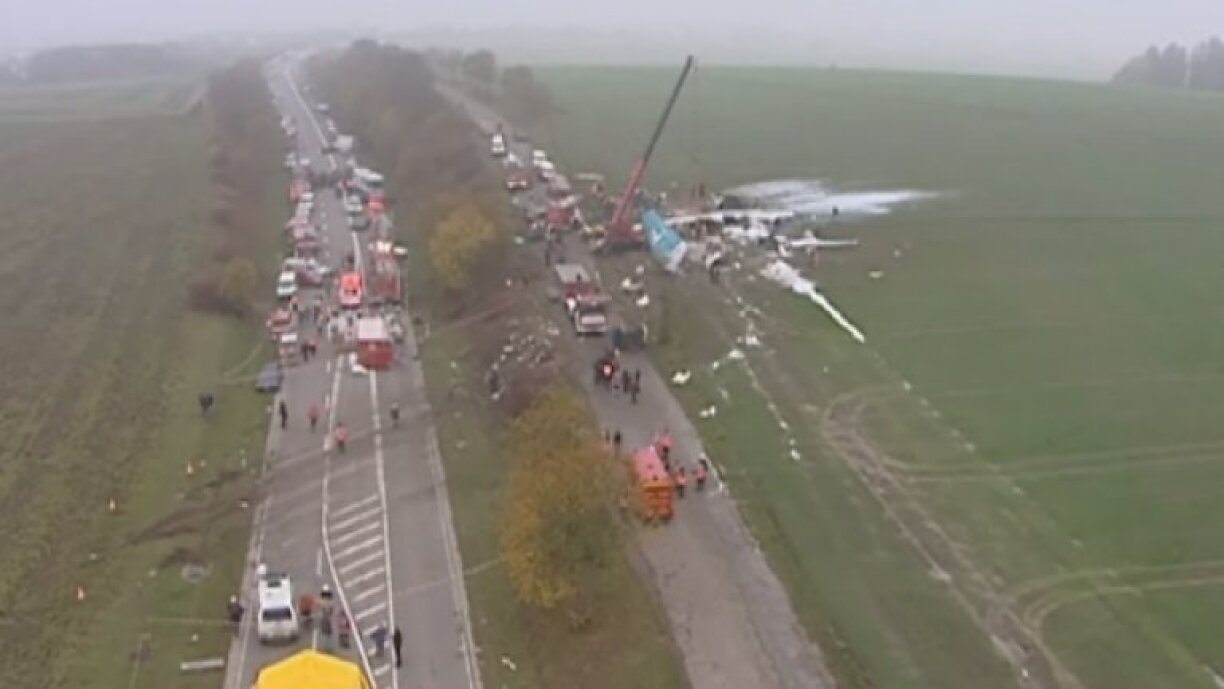
After the accident, a number of government representatives drove down to the scene, including then-Prime Minister Jean-Claude Juncker. He later recounted how horrified he was by the sight of the scene: "I got way too close to have a look, I should not have done that."
During a press conference in Niederanven, former Minister for Home Affairs Michel Wolter confirmed that several people died during the crash: "According to our latest update, 16 people died and 6 were injured and hospitalised. However, we have no details about whether they are still alive or not. That is why we cannot release any information on their identities, which you surely understand. We first have to evaluate the situation."
The six people that survived the crash were transported to different hospitals, one of which was CHL. Yvonne Kremmer, a CHL spokeswoman, later announced that their first victim from the plane crash succumbed to his wounds: "He was still x-rayed to determine the severity of bone fractures and the state of the head. An emergency surgery was still undertaken, but the injuries were too severe and the patient passed away."
In the end, only two people survived the crash: the pilot and a French passenger. Among the dead were 15 Germans, one Frenchman, and four Luxembourgers.
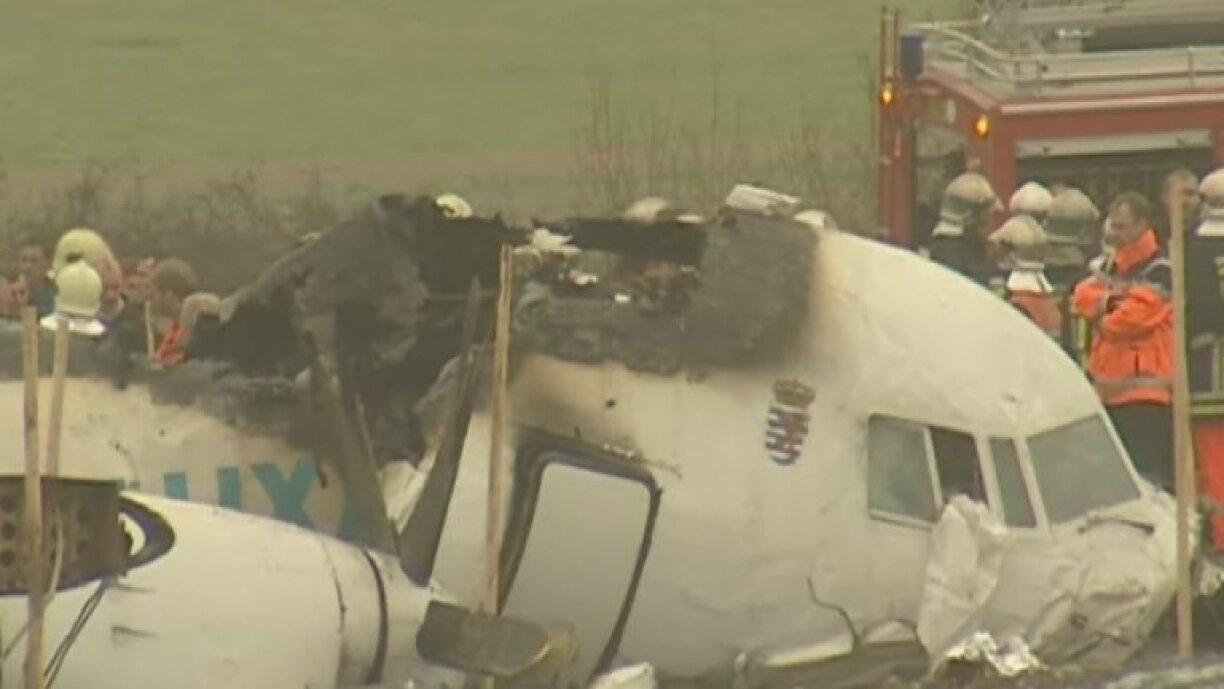
The final pieces of the plane were recovered on 10 November 2002 while the whole country was still mourning the victims of the crash. Flags flew at half-mast and a mass was held at the Notre-Dame Cathedral in the capital.
In the immediate aftermath of the accident, speculation ran high for two days until the prosecutor's office eventually released first pieces of information recovered from the two blackboxes of the plane. The investigation later concluded that the cause of the accident was a combination of human error and technical issues with the plane's internal system. Both of the plane's engines lost power quickly during the landing, eventually failing completely.
Ten years after the accident, the pilot received a suspended sentence of 42 months in prison. Luxair's head of technical services also received a suspended sentence of 18 months in prison. The suspended sentence of two mechanics was 24 months.
Minister for Mobility and Public Works and Luxair jointly organised a memorial service for relatives and friends of the victims at the crash site on Sunday morning. They were joined by Minister for the Greater Region Corinne Cahen, Niederanven Mayor Raymong Weydert, as well as the local aldermen council. A commemorative plaque is installed at the crash site.
Minister Bausch also issued a public statement to underline the importance of remembering those who passed away in the tragic accident. The event forced Luxair to revaluate their safety regulations and install additional precautionary measures, noted airline CEO Gilles Feith.





