From 15 January, CovidCheck will be compulsory to go to work in Luxembourg. The new Covid law is due to be voted by parliament on Thursday. It provides that all employees, public servants and self-employed persons must be vaccinated, cured or tested against Covid-19. The rule is simple: without Covid-Check, the employee no longer has access to their workplace.
People who are neither vaccinated nor cured of the coronavirus will have two options: Either they will have to pass a rapid antigen test to obtain a certificate valid for 24 hours, or they will have to present a PCR test which will remain valid for 48 hours, from the time of sampling.
By mid-January 2022, the choice not to be vaccinated will therefore have a clear cost for private employees and freelancers who will not be able to work remotely or take days off. The government's objective is to encourage sceptics to get vaccinated to end the pandemic.
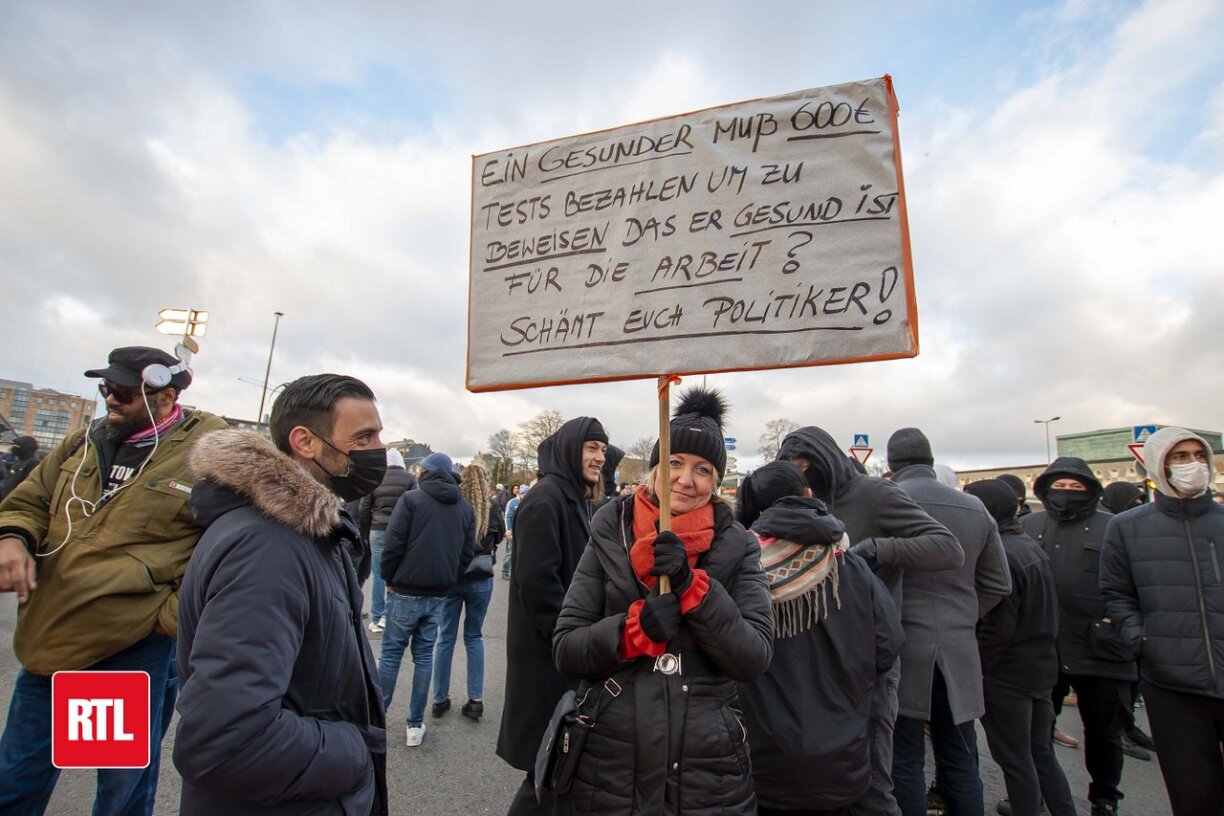
This new measure was widely denounced by anti-restriction demonstrators who were unable to march freely in Luxembourg City last weekend. Some have calculated that they will have to pay up to €600 per month to get to work.
A certified rapid antigen test costs between €15 and €35 today. For a five-day working week, the employee will pay between €75 and €175 per week, which amounts to somewhere between €300 and €700 per month.
The price varies from one certification centre to another. They can be certified by laboratories, pharmacies, doctors and physiotherapists who have the approval. At the Pharmacie du Cygne in Luxembourg City, for example, it costs €20 and there is no need to make an appointment. Even when there is a queue, the waiting time for the precious sesame is between 20 and 30 minutes in the pharmacies.
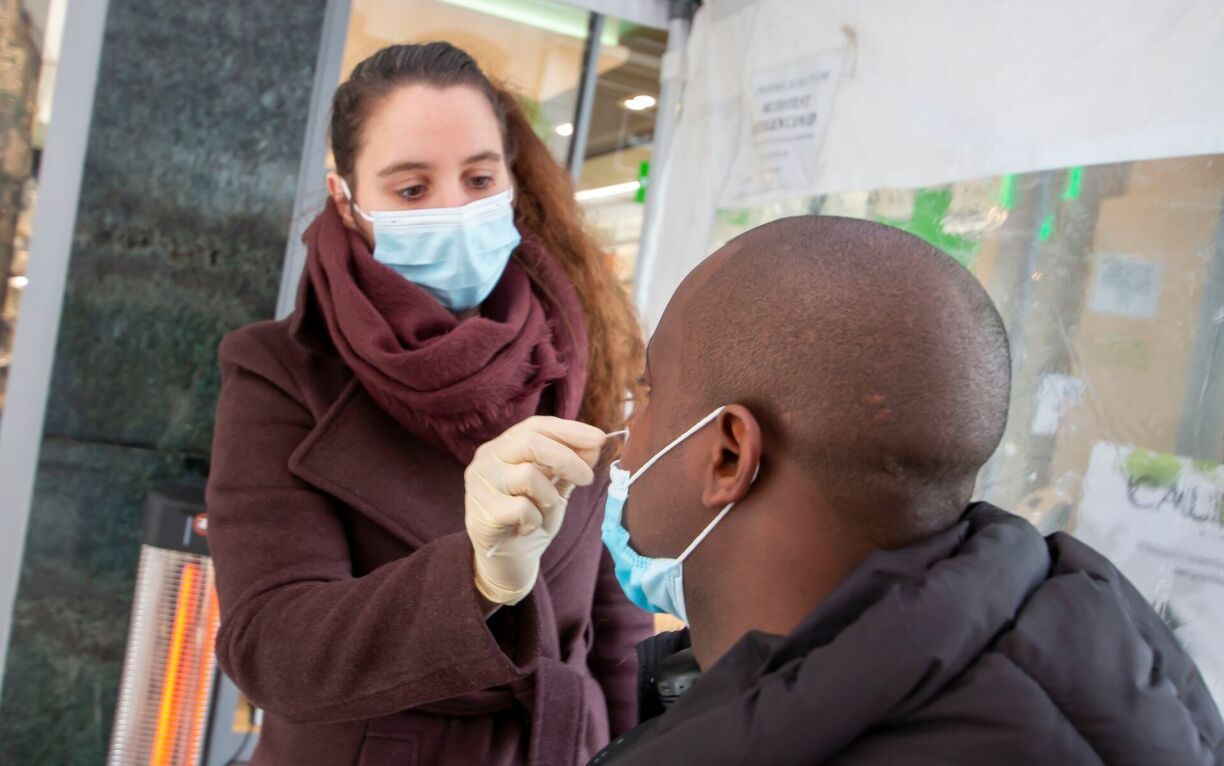
Another price formula at the Kirchberg pharmacy: the certificate is delivered for €20 to the patient who brings his own test. If the patient buys the rapid test on the spot, the price will increase the bill accordingly. But tests are available for as little as €4 or €7. Here, too, there is no need for an appointment. The doors open at 8am, but the first tests are launched at 9.30am.
Emmaniel Van Hauwermeieren, the manager of the Belair pharmacy, states their tests cost €30 each, being in the upper middle range.
At the test centre set up by the City of Luxembourg, on Place du Théâtre, the rapid antigen test is currently charged at €15. Those who have free vouchers pay only €5, but the vouchers will no longer be valid after 31 December.
PCR testing, on the other hand, is more convenient as there is no need to go there every day. However, this option is more expensive and laboratories have to wait several days for an appointment.
A PCR test done without a prescription is charged €59.95 in laboratories. For a five-day working week, the employee will have to pay for at least two PCR tests per week, i.e. €119.90, to which he or she will add a rapid antigen test at an average of €25. That is €144.90 per week or €579.60 per month.
At Ketterthill, for example, these tests can be done without an appointment, but the laboratory always specifies in red letters on its website that it cannot give any guarantee as to the timeframe, the test results being available in 24 to 72 working hours (excluding Sundays and public holidays). In Bionext Lab's centres where PCR tests (excluding government vouchers) are done on a walk-in basis only, the customer can also ask for variants to be detected in addition. This second PCR test costs €62.78.
For those in a hurry, laboratories also offer rapid PCR tests at a cost of €99, which health insurance does not cover. Bionext Lab promises a result in less than an hour. Laboratoires réunis claims a guaranteed result within 4 hours. Appointments for this type of test can only be made in Junglinster.
It already seems to be very difficult for employees who cannot work remotely to organise their working week in Luxembourg - especially when it comes to returning to work on Monday morning.
This problem has just been raised by the Chamber of Employees (CSL) in its opinion on the new Covid law currently being drafted. It points out that it will not be easy for employees to be tested at the weekend so as to have a negative test certificate for Monday morning (for those who need it). And calls on the government to fill the gap by setting up places where these employees can go to do their test over the weekend.
Anticipation will be required in order to comply with the law and access the workplace. The employees concerned will either have to make an appointment on Saturday to take a PCR test in a laboratory. Or they can plan ahead and take a quick antigen test and have the certificate at the time they start work.
The question will arise as early as Monday 17 January, as the new arrangements are due to come into force on Saturday 15 January 2022.
There is a huge increase in people getting vaccinated at the moment, according to Alain de Bourcy, president of the Luxembourgish pharmacists' union. He therefore hopes there won't be a huge influx of requests on 15 January that will become unmanageable.
If the demand for tests were to explode, Bourcy would immediately turn to the health authorities, as pharmacists would quickly be in a bind.
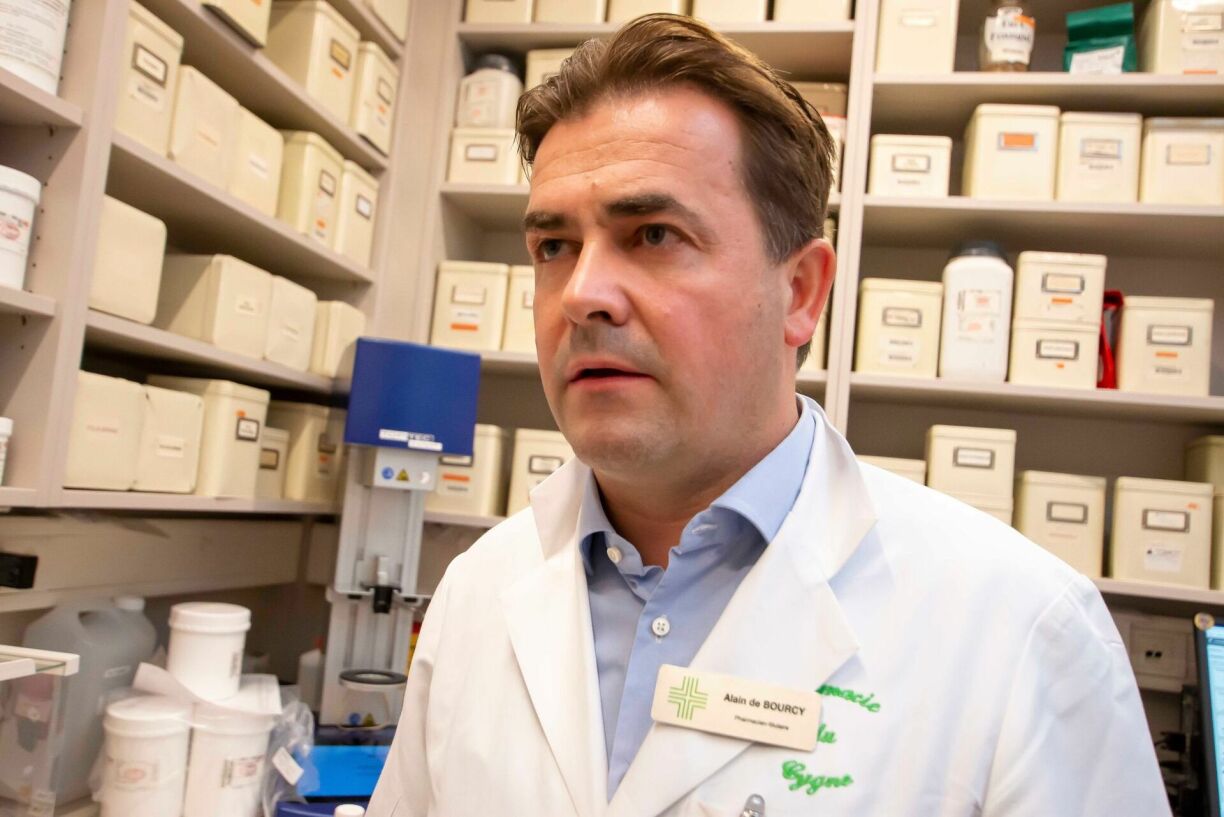
In anticipation of 15 January, pharmacists are already ordering more rapid antigen tests, as there is a risk of shortage, warns Bourcy, who confides that prices are currently skyrocketing due to the huge demand in Germany and neighbouring countries.
On the other hand, there is no new organisation planned to welcome many more customers who would like to be tested in the pharmacies in mid-January.
The organisation receiving people who are to be tested, with or without an appointment, is close to its limits. Since the beginning of November, the staff has been on the edge of their seats. On Fridays and Saturdays, it's always full, says Emmanuel Van Hauwermeiren, who welcomes between 60 and 70 clients a day on average. He insists he will do everything to serve his customers normally with medicine.





