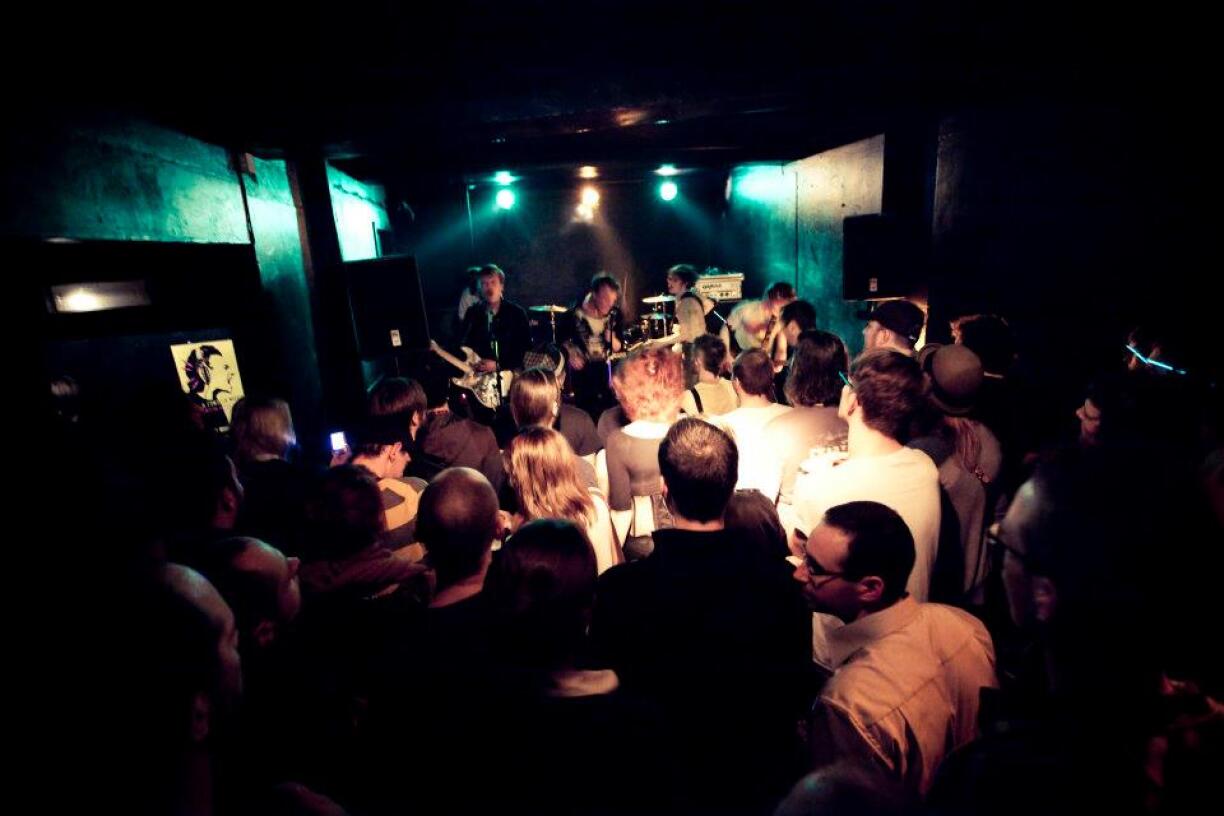
Taking an opportunity to open a bar in 2009 was meant to be a break from David Rocas’s film career. Seventeen years later, David’s film career is still on hold – and Luxembourg still has Rocas.
“The main aim back then was to do more theater, readings, and some concerts as well,” recalled David, who has worked with Al Pacino, Gerard Depardieu, and Jeremy Irons, to name a few. “I used to work as a cameraman, and my brother is an architect. We both were at the conservatoire doing some theatre lessons, and we met a lot of young comedians.”
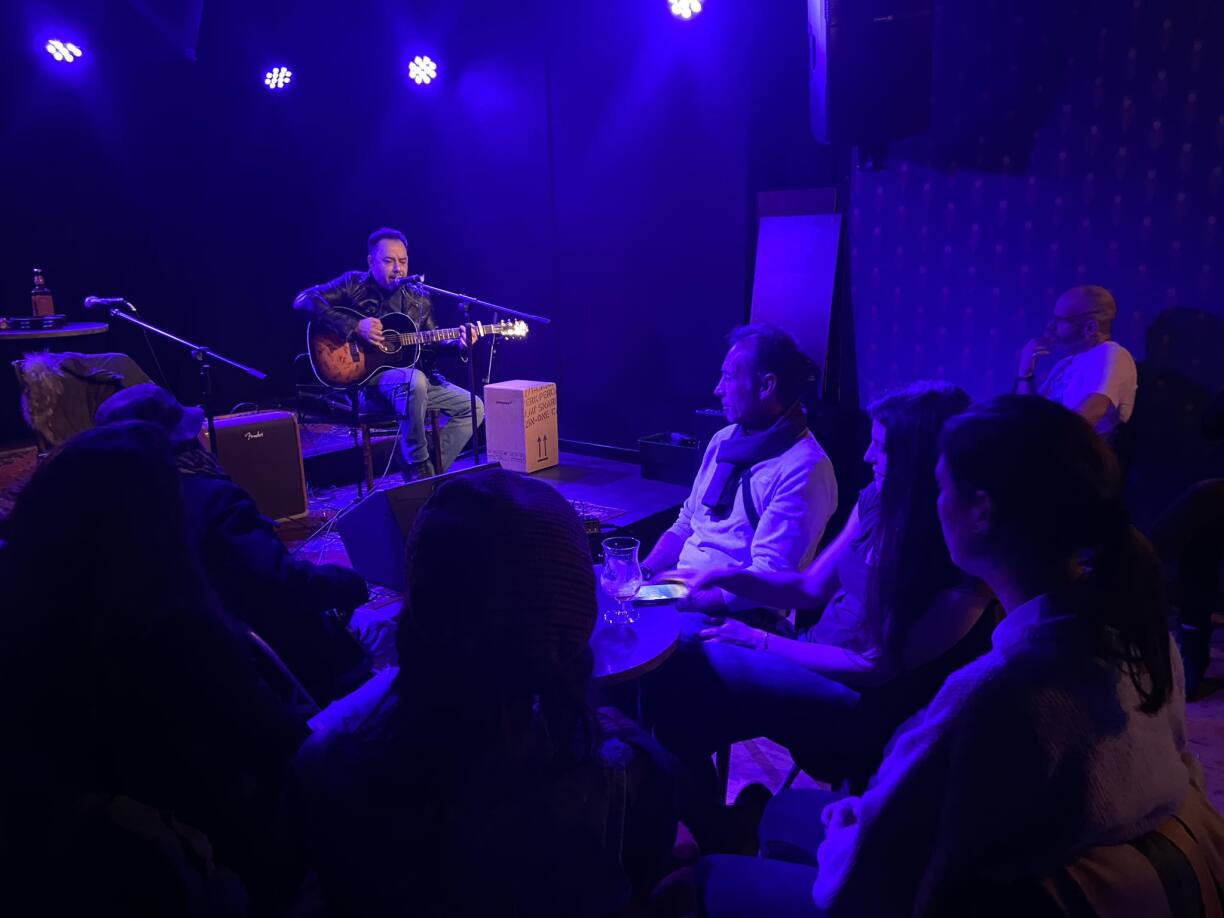
A plan soon formed: to provide a space and a stage that would serve as a playground for these performers. The shows began, the connections developed, and the network grew.
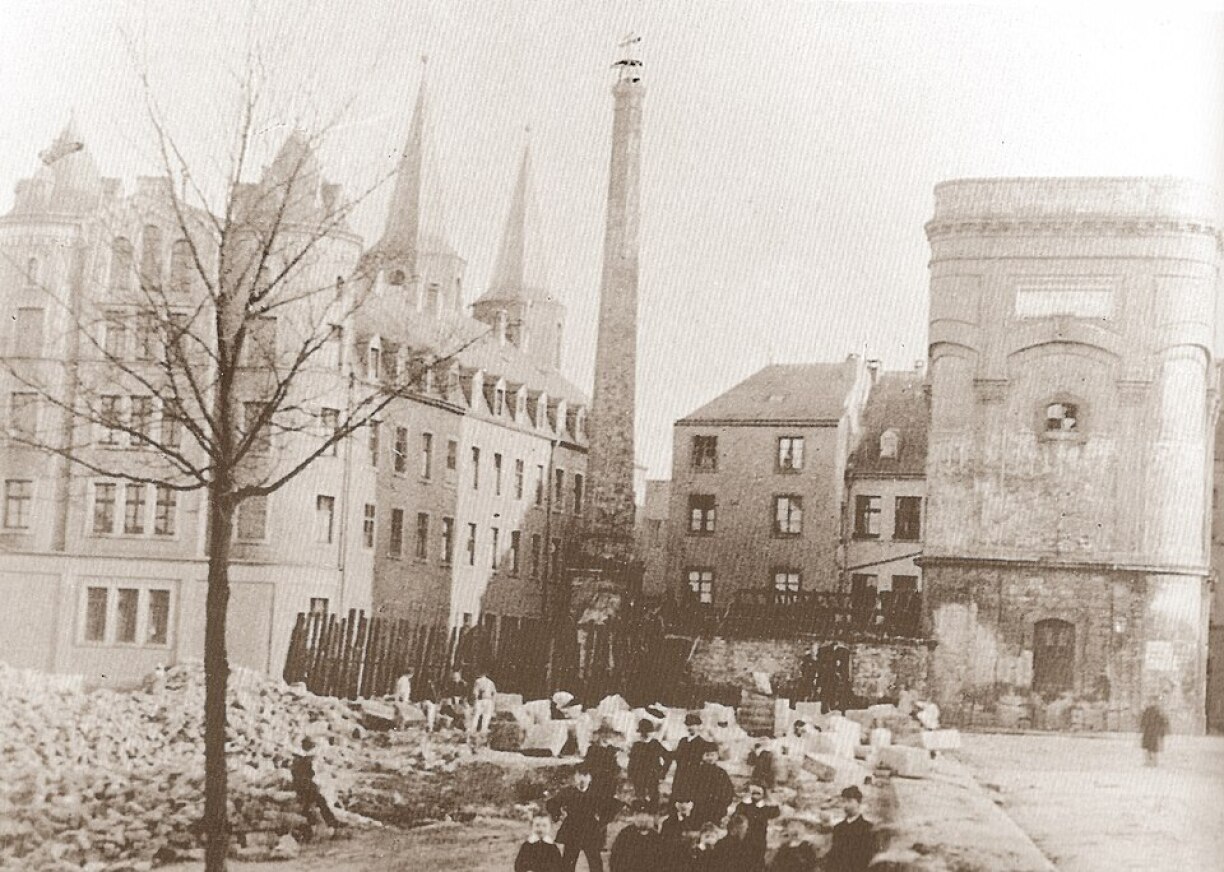
But even before Rocas, the venue itself has a long history.
“Before us, it was called the Rainbow Café. Before that, it was L’appart. And before that, it was the Vion, which was actually a pretty famous place,” said David. “They were the first ones doing theatre at this location.”
“And before that, we had the Blues Corner – famous as well for being the very first punk bar in Luxembourg.”
Since then, Rocas has grown into what it is now: a space for music, theatre, live DJ sets, and as they promise, “good music, good beer, good vibes”.
Back in 2009, David Rocas felt that something was missing.
What he wanted to provide: a creative space for people to engage, connect, perform, and to do things differently.
“We'd been opening our doors to a lot of people. Initially it was friends and some theatre people,” David said.
“But very quickly we noticed young arty people started to enjoy our vibe. We noticed some students from the art school also started coming here,” he said. “We had some drawings on the walls. And the music was different. We always wanted to play something different here.”
Starting from a blank page, Rocas had built a loyal customer base that has today been maintained and developed.
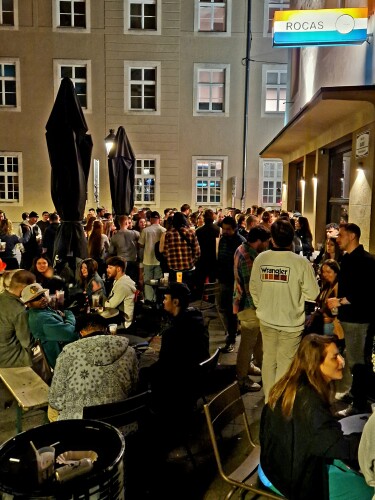
"At the beginning, it was very Luxembourgish, and then it switched to more of an expat clientele," David said.
"Since my origins are Portuguese, it’s also where Portuguese expats were coming – a newer Portuguese generation came within the last 10 years as well. Some of them like our 'Portuguese alternative and local cultural' side. And some of them started working with me here."
At the moment, David says the crowd is very international, but a local Luxembourgish audience, once departed for university abroad, has started to return as well.
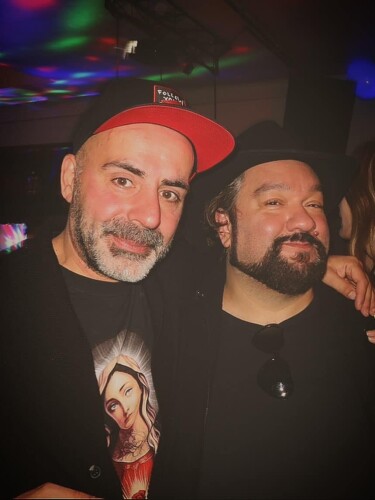
As far as the Rocas team goes, there are “three and a half full-time staff” running the show, while David also works with a silent partner of sorts, Roberto.
Here’s where Luxembourg’s cross-country musical base shows itself.
Managing Dudelange’s Why Not? bar where known local bands like Eternal Tango or The Lab started, the friendship between David and Roberto grew.
"Why Not? was there before Rocas, and when Rocas opened, people were saying Rocas was the Why Not? of Luxembourg City,” David recalled.
"Roberto is a sound man, so since he started work with us, the sound at Rocas has improved a lot," said David. "He also studied economics, so I got the right person: a technical advisor and an accounting advisor."
Within the cosy walls of Rocas, there are two different music networks that happen, across two different levels. And the people who create this music cater to a variety of tastes.
“First of all, it’s me booking things that I want to see,” said David. “Whether it's friends, because I know a lot of musicians here, or bands I appreciate – and I'm pretty eclectic music wise: I like blues, I like jazz, I like punk rock, I like hip hop, funk, I love soul music,” he added. “[Though] I wish there was more soul music in Luxembourg!”
David also works with local promoters and music organisers who organise their own shows.
“In our upstairs room they have their own shows,” he added. “There, we see a lot of bands from other networks, and local but also international bands touring through Europe.”
For both levels, capacity peaks at about 40 people.
As a venue that aims to bring so much to a dedicated audience, constant reinvention is key.
“In a place like this, you always have to reinvent yourself. You do notice there are waves,” said David. “So, you're popular now. In three months, you're less popular because another bar opened. Or it was winter and now it's summer, and moods change.”
For David, reinvention has meant doing more music, presenting Rocas as a nightlife spot, finding the next new talents.
“A lot of people start here, and then they grow up,” he said. “I see musicians starting here and they've already played at the Den Atelier, they've played Rotondes, they've played festivals.”
And that’s exactly what makes Rocas unique: a small stage for bands who are just starting out.
“Luxembourg needs its amateur or semi-professional stages,” David said. Professional bands do play there, but it’s a place where the two shall meet.
“I like having this mix of amateur and professionals. With the professionals you keep the quality high, and amateurs can aim to get to that level by seeing them, as well as talking to them,” he said.”
“And I think that's pretty important to add that Luxembourg doesn't have many of these places," David added. “Any other capital of Europe, you will see a dozen or even more places where young artists can start.”
Two milestones so far stand out to David: their second anniversary, and their fifteenth.
“Because we'd been fighting for two years, struggling for two years, and at that moment the planning was full,” said David. “We had so many events happening upstairs, downstairs, and people showed up and they stayed here all night. The vibe was unbelievable.”
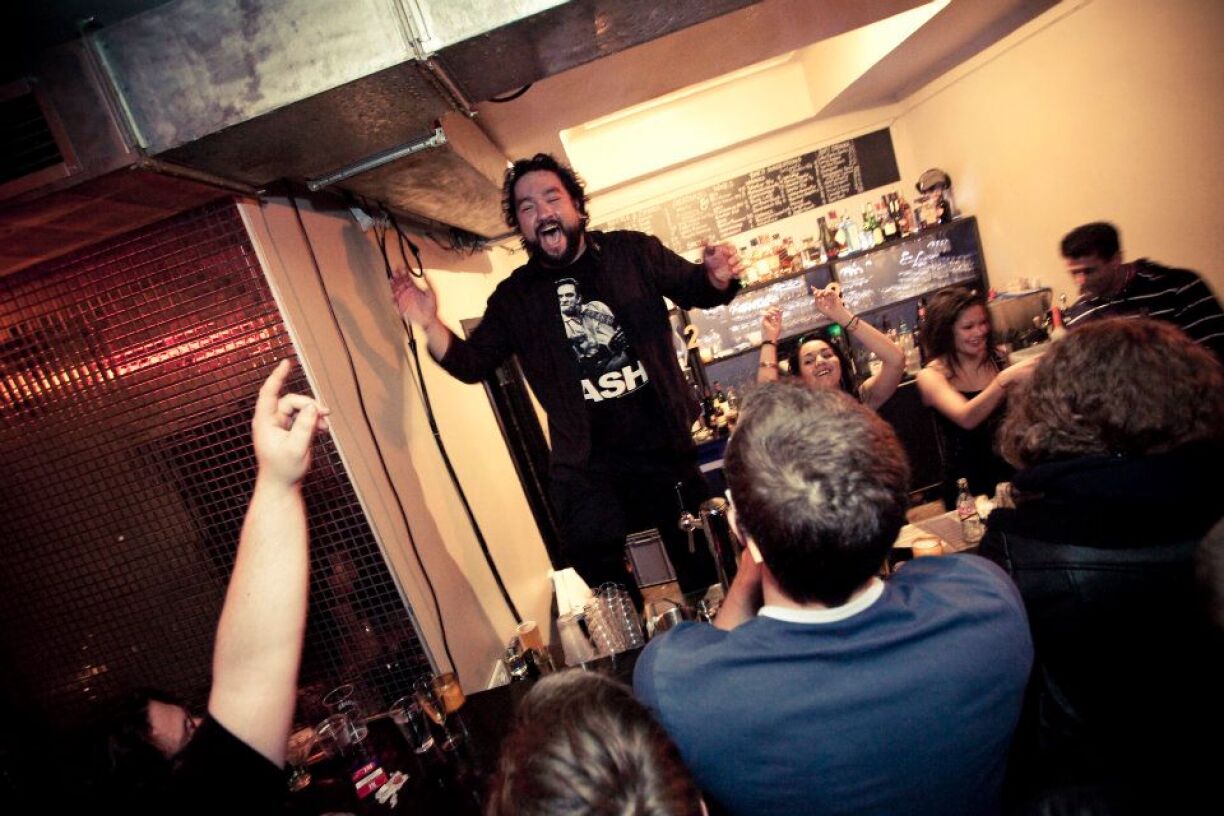
“For the 2nd year, we felt loved. And for the 15th year, we felt thanked.“
Moving forward, Rocas continues to do what they always have: opening doors and creating a space for people to develop and to grow. And David Rocas has no plans of changing the core of what he first set out to do.
“One of my dreams has always been to have my own venue, so maybe one day I'll open another location with a bigger stage so I can do more things,” he said. “For now, I'm pretty happy with what we're doing here.”





