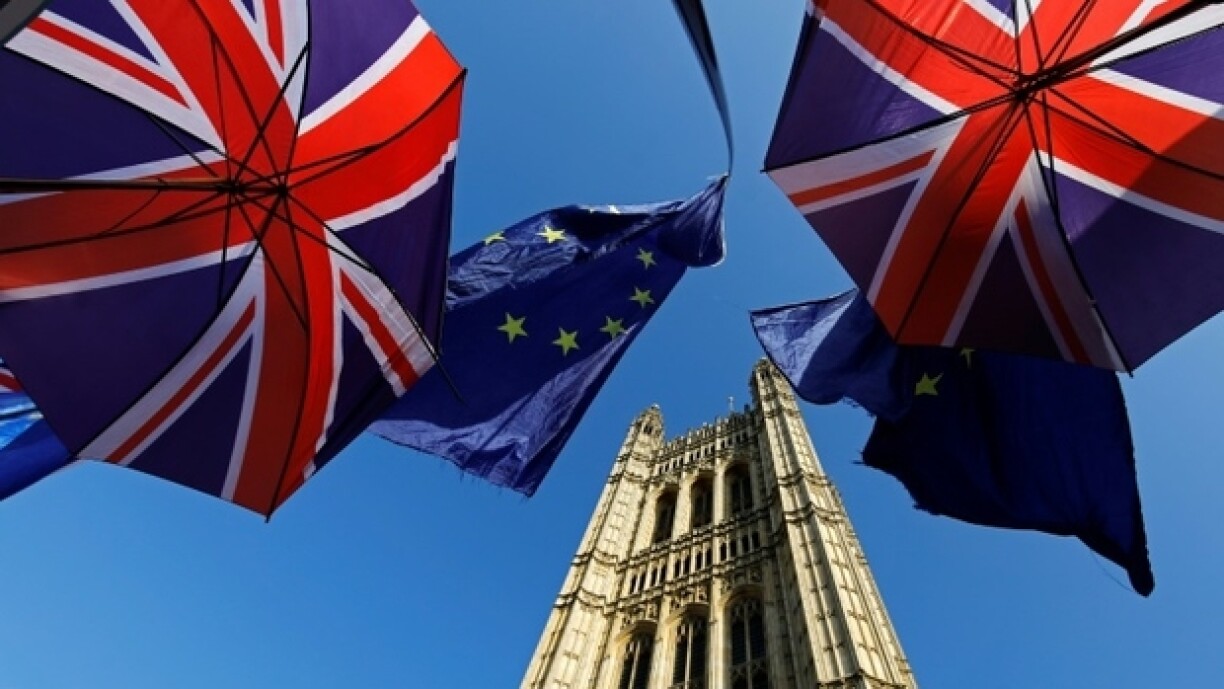
When the UK voted to leave the European Union in 2016, millions of people debated what it would mean for Britain’s future. For many, the impact felt distant. Nearly a decade later, however, its consequences continue to shape people’s lives.
For one British woman from Manchester, marrying the man she loves has meant navigating immigration rules, visa applications, and months of uncertainty simply to live in the same country as her husband.
The woman, who asked to remain anonymous for this article, moved from Manchester to Luxembourg three months after marrying her husband, who lives and works in the Grand Duchy. "At that point in my life, Brexit felt like something political happening in the background. I never imagined it would eventually affect my marriage", she says.
It was only after the wedding that Brexit became a reality. Instead of freely choosing where to build their life together, the couple had to work through immigration systems in both countries. Before Brexit, British citizens benefited from freedom of movement within the European Union, allowing them to live and work across EU member states without needing visas or residence permits.
Today, Britons who were not already legally resident in Luxembourg before the UK's withdrawal from the EU are generally treated as third-country nationals. As a result, moving to Luxembourg often involves additional administrative procedures, immigration requirements, and documentation that did not previously exist.
"If my husband wanted to come and live with me in the UK, he needed a visa", she says. "The application would have cost us around £5,000, and I also needed to meet the UK's income threshold before he could qualify. It wasn't just about paying the fees – it also depended on me earning enough."
Like many international couples, their decision was shaped by practical and financial considerations.
"The decision about where we would live became less about what we wanted as a couple and more about which country's immigration rules were more realistic for us." The couple decided she would relocate to Luxembourg. However, starting a new life in Luxembourg has brought its own challenges.
"As a British citizen, I need permission to stay and work here", she explains. "I'm currently in the process of applying for a residence permit so that I can stay permanently with my husband."
Beyond the immigration process, adapting to a new country has been difficult. "I don't speak French fluently or Luxembourgish. That makes everyday life harder, from dealing with administration to looking for employment", she explains.
The immigration requirements have also affected her career opportunities. "Brexit has definitely affected my career because I need permission to live and work here, and every step takes longer." The uncertainty has also complicated decisions that many newly married couples take for granted.
Instead of settling into married life together, they have spent months navigating immigration procedures while living apart. "I can only stay with him for three months within a six-month period while my application is ongoing", she explains. "Long-distance marriage isn't easy. You get married expecting to build a home together, but instead you're constantly counting the days you're allowed to stay."
"People often think visas are just paperwork, but they affect every part of your life. You can't make long-term plans with confidence because everything depends on applications being approved."
For her, the personal impact of Brexit has been difficult to reconcile with any perceived benefits.
"I don't think Brexit has created any positive opportunities for me personally", she says. "If anything, it has made it much harder for me to live with my husband in Luxembourg."
She stresses that her situation is not unique. Across Europe, many British citizens in relationships with EU nationals now face immigration rules that did not previously apply to them.
Couples who once enjoyed freedom of movement must now navigate visa applications, financial requirements, and lengthy procedures before they can build a life together. For some, those processes can delay careers, family plans, and even the ability to live together.
Despite the challenges, she remains hopeful that her own application will soon be approved, allowing her to settle permanently in Luxembourg with her husband. Until then, their plans remain dependent on the outcome of her application.
Looking back, she says she never imagined Brexit would have such a profound impact on her personal life.
"I thought Brexit was something that happened to politicians and businesses. I never imagined it would affect something as personal as getting married."
Her experience shows how Brexit continues to shape personal decisions including where people can live, work and build a life with the person they love.





