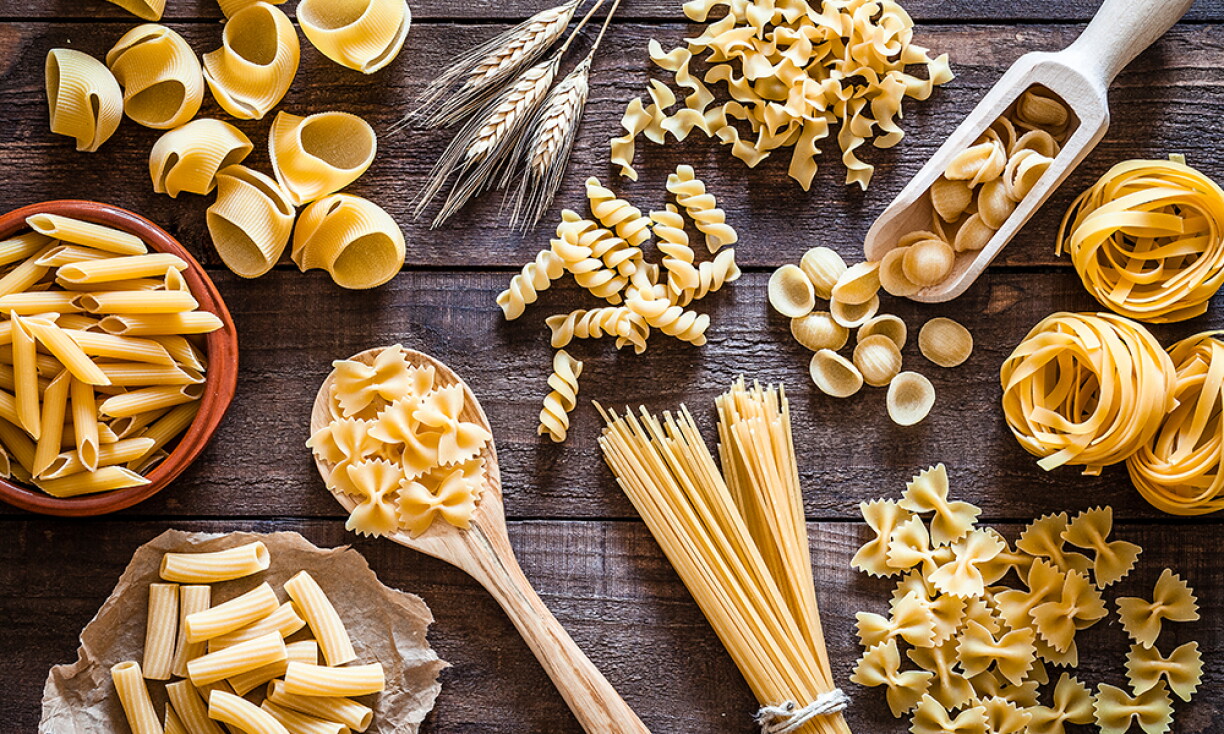
Pasta, a dish to fit every plate.
From the daily family meal, to dinner with friends, to the greatest gastronomic tables, pasta is a must appreciated by all. But at a time when consumers are increasingly concerned about the origin and composition of what they put on their plates, and when everyone is trying to favour short cuts, do we know where the wheat used in the pasta we buy comes from? Not really!
Unlike the wheat used to make flour, the wheat used to make pasta is durum wheat. Selected for its specific properties, it is used to produce a wheat semolina. This semolina is then mixed with water to obtain a sheet of dough that will be transformed into the different formats available on the market: Penne, spaghetti, farfalle ...etc. Wheat therefore represents more than 80% of the dough's composition! More than enough reason to investigate its origin ...
Many brands work with foreign wheat, in some cases travelling thousands of kilometres. When consumers demand in transparency and legislation requires a higher-level clarity on the origin of raw materials, the return to local wheat is essential.
This is the case of the Luxembourg brand LE MOULIN launched only a few weeks ago, which now offers 9 exclusive products based exclusively on Luxembourgish durum wheat. A premiere for the market, which until now had no representation coming from our wheat fields.
What a great way to reconnect our wheat fields and our mealtimes with improved knowledge around the origin of a product present several times a week on our plates!





