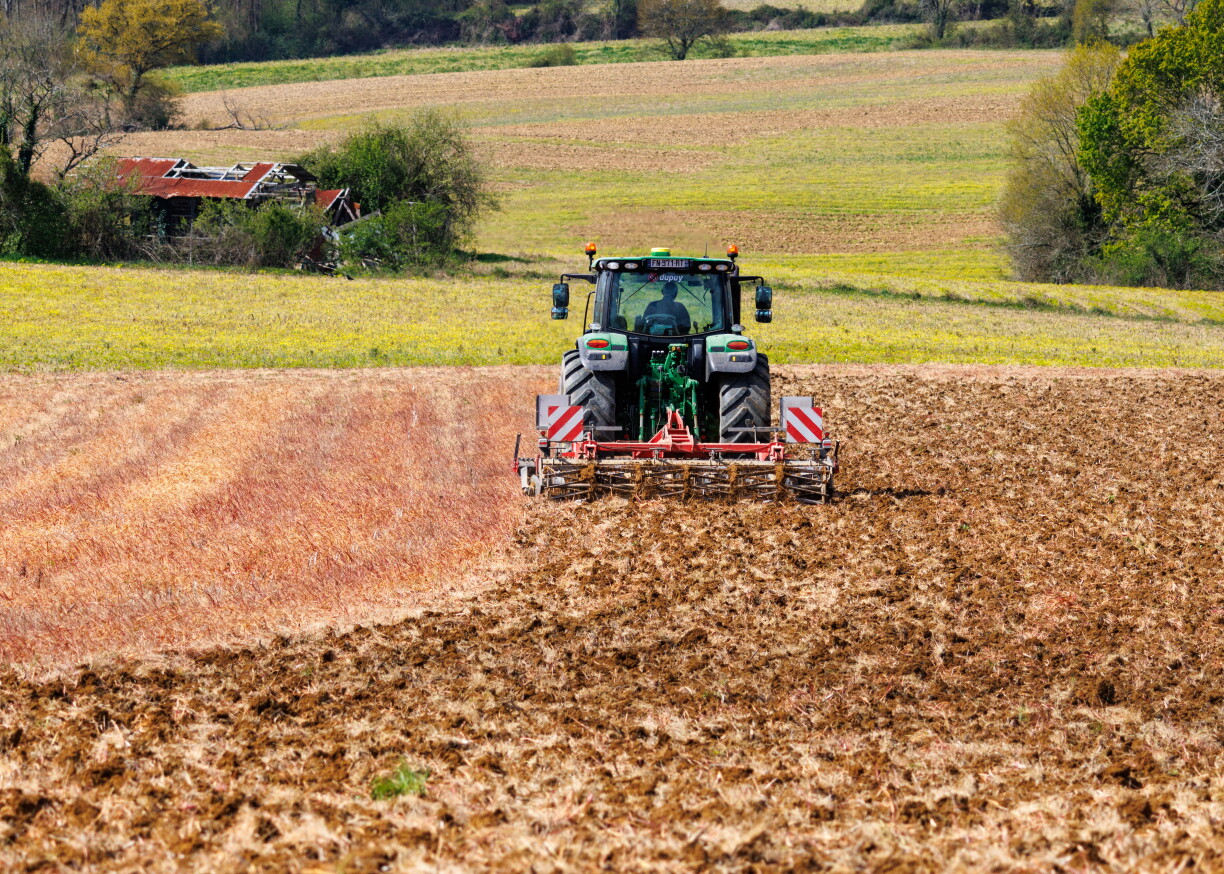
The European Commission has presented a new action plan in Brussels aimed at shielding European agriculture from soaring fertiliser prices, geopolitical tensions and dangerous import dependency.
"We are currently experiencing a fertiliser price crisis in Europe", EU Commissioner for Agriculture and Food Christophe Hansen told RTL in an interview. Prices had already risen by more than 60% between 2020 and 2024, and since then, particularly in recent months, they have climbed a further 70%. The war in Iran and the blockade of the Strait of Hormuz have worsened the situation, and farms that rely heavily on synthetic fertilisers are feeling the strain most acutely. "Their finances are no longer sustainable", Hansen said plainly.
The primary objective of the fertlisers action plan, presented in Brussels on Tuesday, is to get money to farmers as quickly as possible. The EU's agricultural reserve is expected to be mobilised, with €200 million of available funds to be deployed directly. Hansen hopes that the total package could reach approximately half a billion euros. "We must provide farmers with immediate and substantial support", he said
The longer-term ambition of the plan is to reduce Europe's dependence on imported fertilisers. The EU currently imports between 40% and 45% of its fertilisers from third countries, a reliance that Hansen described as a serious vulnerability. "This obviously makes us extremely vulnerable when such crises occur", he warned.
The Commission wants to reinforce domestic production and diversify supply, including a greater focus on organic fertilisers such as digestate from biogas plants. In principle, Hansen explained, Europe has the capacity to produce more of its own fertilisers, currently producing more than half of what it consumes. However a number of factories have closed in recent years as cheaper imports made domestic production unviable.
The issue sits at the intersection of agricultural, industrial and climate policy. Hansen was clear that the current crisis must not become a pretext for abandoning Europe's climate commitments. "Industry and agriculture have a vested interest in collaborating as closely as possible", he said, framing the fertiliser question as part of a broader European drive to reduce strategic dependencies, alongside pharmaceuticals and microprocessors. "We cannot afford such dependence", he said.
Following the presentation of the plan on Wednesday, the political process will now begin. Some measures, including financial aid for farmers, can be implemented relatively quickly. Others, such as new legislative proposals, will require negotiation with member states and the European Parliament before they can take effect.





