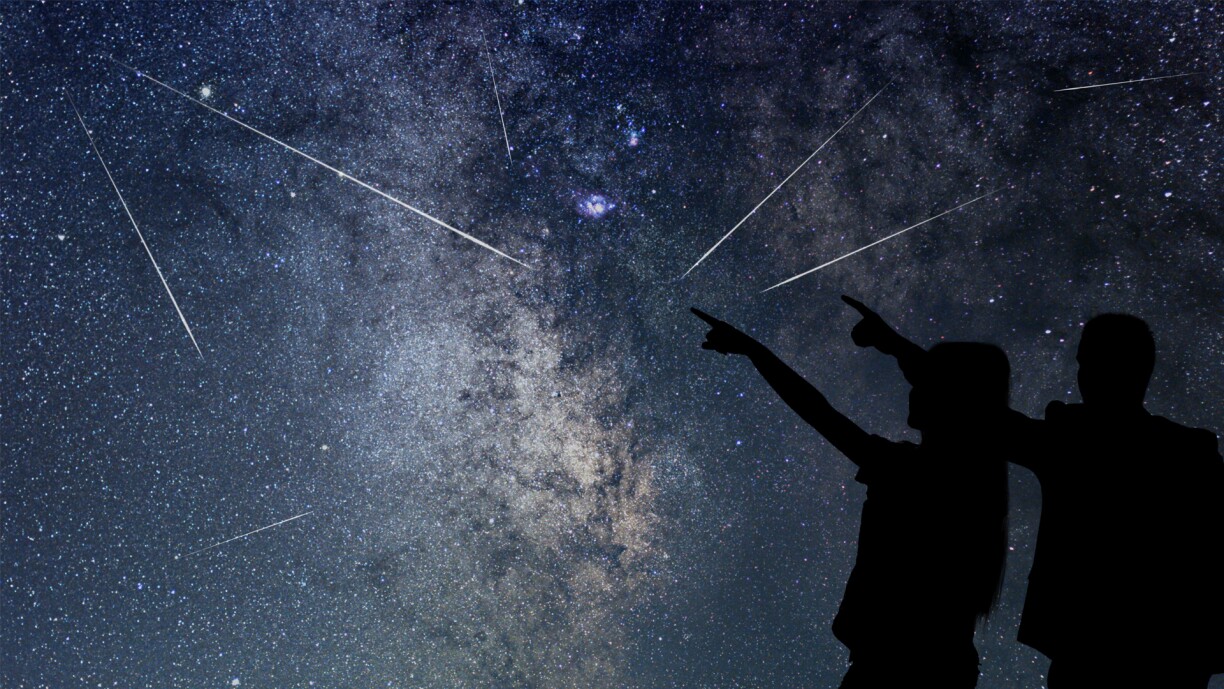
The annual display occurs as the Earth passes through debris left behind by the asteroid 3200 Phaethon, producing bright, slow-moving meteors that are often visible to the naked eye.
Under ideal conditions, observers can see dozens of meteors an hour. However, forecasts for the Grand Duchy suggest variable cloud cover overnight, with clearer spells more likely later in the evening and towards the early hours of Monday.
Astronomers say the best chance of spotting meteors will come away from urban light pollution, particularly in rural parts of the north and east of the country, where skies may clear for longer periods.
The shower’s radiant lies in the constellation Gemini, which rises in the east after nightfall and climbs higher as the night goes on. Stargazers are advised to scan wide areas of the sky rather than focusing directly on the constellation itself.
Conditions are otherwise favourable, with a waning Moon producing relatively little glare. No special equipment is needed, but warm clothing and patience are essential given December temperatures.
Even if cloud cover intervenes, brief clear intervals can still deliver sudden bursts of activity, with meteors often appearing in clusters rather than at regular intervals.
The Geminids should remain visible into Monday morning, marking a seasonal highlight for skywatchers across Luxembourg.
Check out our December guide to stargazing by Adriano Anfuso.





