Jeannot Wilwert keeps 120 dairy cows, and including young calves the herd numbers 260. He has been in the business for 23 years and feels that summers are getting hotter and hotter. His cows have access to water at all times. One of his fields has a large tree under which the herd can shelter throughout the day. Another field, by contrast, had no shade at all, so Wilwert decided to scrap that arrangement, since the animals had no way of protecting themselves in the afternoon.
He installed the first fans in his cowshed ten years ago. The newest ones, fitted three years ago, are temperature-controlled, switching on automatically at 20°C and running at full tilt at 30°C, with the system also currently running through the night. Beyond that, a fine water spray is used to cool the cows further.
Wilwert said the spraying typically kicks in around 3 or 4 in the afternoon, when the cows are clearly suffering from the heat. In the worst cases, they open their mouths wide, something that has to be avoided since it points to laboured breathing. He also noted that the cows are eating less and that milk yields are slightly down, and to keep the situation under control, the animals have to be cooled as effectively as possible.
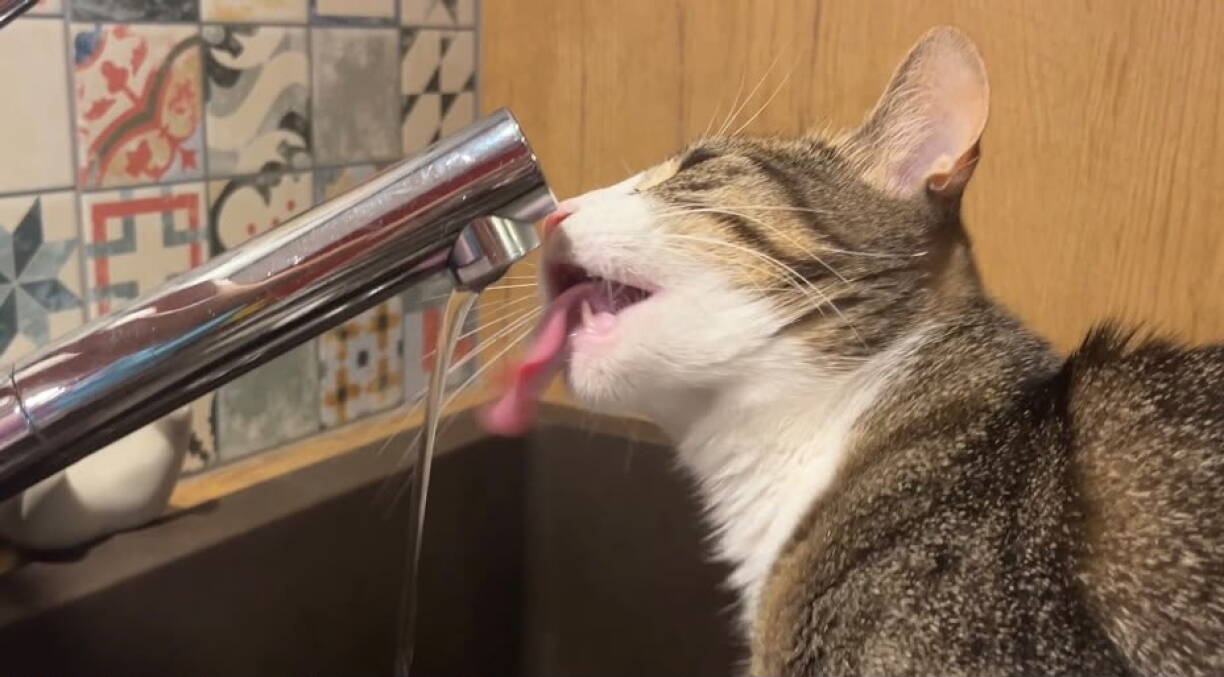
The rule of thumb for pets is to head out only in the morning or evening, once temperatures have eased, with animals kept indoors and in the shade for the rest of the day. The blazing sun is no friend to them either. Fresh drinking water matters just as much for animals as it does for people. Cats tend to cope better than dogs, but even among dogs the picture varies from breed to breed, said Dr Mousel.
With dogs, he explained, the breeds with flat noses, which do not breathe well and which already struggle to take in air, are by far the most vulnerable to heat-related problems. Extra care should also be taken with very young or older animals, or those with underlying conditions, since they are simply more sensitive.
This year, Dr Mousel has not yet treated any heatstroke cases. In previous summers, however, such cases came in regularly, alongside dogs with burnt paws after walking on ground that was too hot.
Warning signs in dogs include heavy panting, since they can no longer regulate their body temperature, weakness and bouts of nausea. In such cases the animal must be given water, possibly hosed down with water that is cool but not ice-cold, and taken to the vet without delay, since heatstroke can be fatal.
It is not just pets that suffer in the heat. Birds and insects can also be helped along. Nature largely regulates itself, but that does not mean people cannot lend a hand, since birds and insects also need water, and there are weaker creatures out there that benefit from a bit of help.
The simplest thing to do, Dr Mousel said, is to provide somewhere they can drink. Putting a shallow bowl of water outside gives them a chance of finding some relief.
Attention must also be paid to small pets such as rabbits and guinea pigs. With rabbits and guinea pigs in particular, Dr Mousel said, owners must ensure that they have access to shade and water, and where the animals live permanently outdoors, it is worth considering whether to bring them inside during these temperatures and place them in a cool room. Rabbits in particular, he pointed out, do not tolerate heat well.





