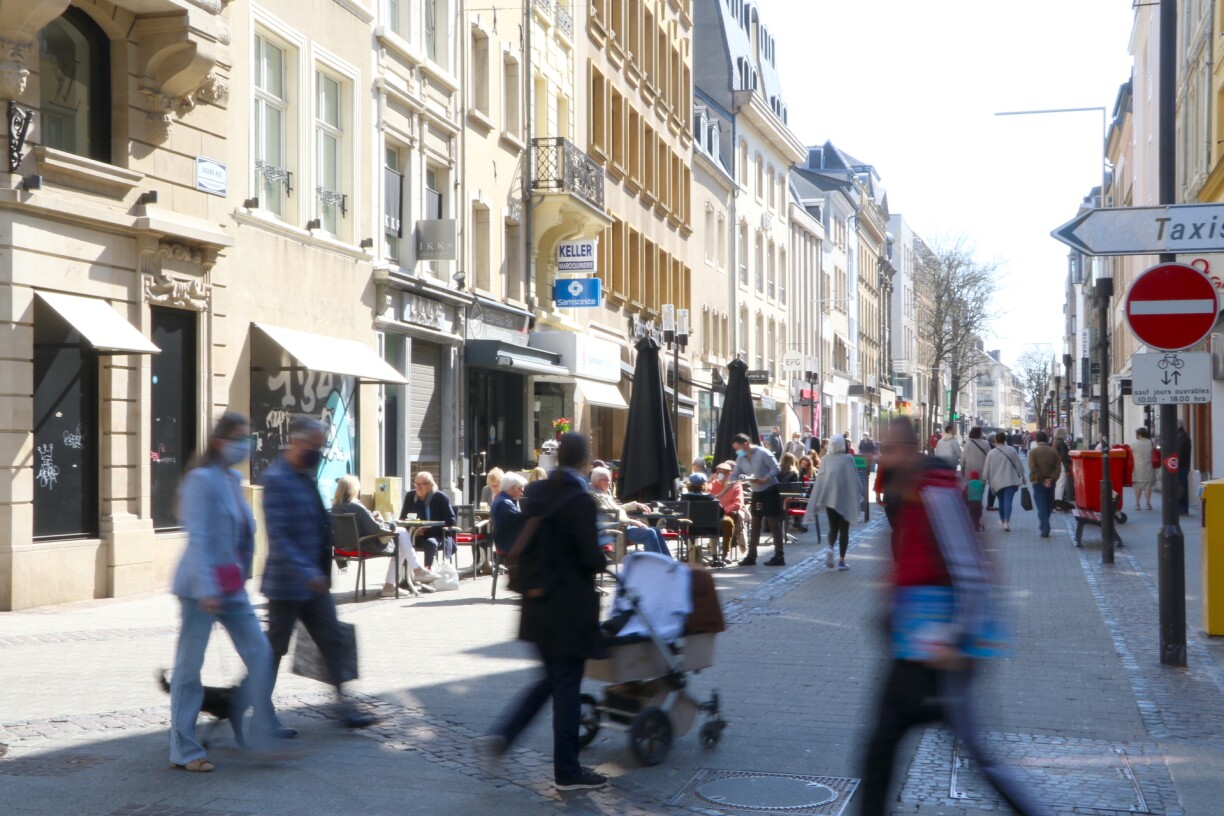
When a woman walks down the street, it is not uncommon for her to be subject to disrespectful behaviour. Women thus tend to be on their guard, know which corners to avoid, hold a completely fictitious conversation on the phone, hurry up even more at night, or tell a friend when they arrive at home safe and sound.
"It started when I was twelve", said one woman in conversation with RTL Infos. Sociological studies show that women often start to be sexualised and experience their first street harassment from the onset of puberty. Car horns, whistles, crude words, insistent looks: like a rite of passage, young girls become women and are forced to face harassers.
"I can no longer go for a walk around 9pm anymore." Some women feel so unsafe in the street that they avoid going out alone after certain hours at all costs. Indeed, many of them revealed that they regularly feel unsafe when walking alone. However, public space is, as its name indicates, for everyone.
"I don't find it very reassuring and horrible, it shouldn't be normal", says a young girl interviewed on the subject of street harassment. It should not be normal, and yet, many women are so used to this type of behaviour that they are no longer surprised. Being preyed upon by certain men when they leave their homes is part of their routine. "I'm so used to it happening," stated another young woman.
"Men look at us, whistle at us". Can a woman be completely carefree while out in the street? When a woman is harassed in a public space, she is reminded of her vulnerability and any fleeting sense of security vanishes.
All the women interviewed by RTL Infos, even those who had never been harassed, confided that they felt they were more careful than men when walking down the street. This is an internalised way of protecting themselves, whether it be their choice of clothes, their body language, or not walking around with headphones on. For many women, walking the streets of Luxembourg means being on constant alert, and often without even being aware of it.





