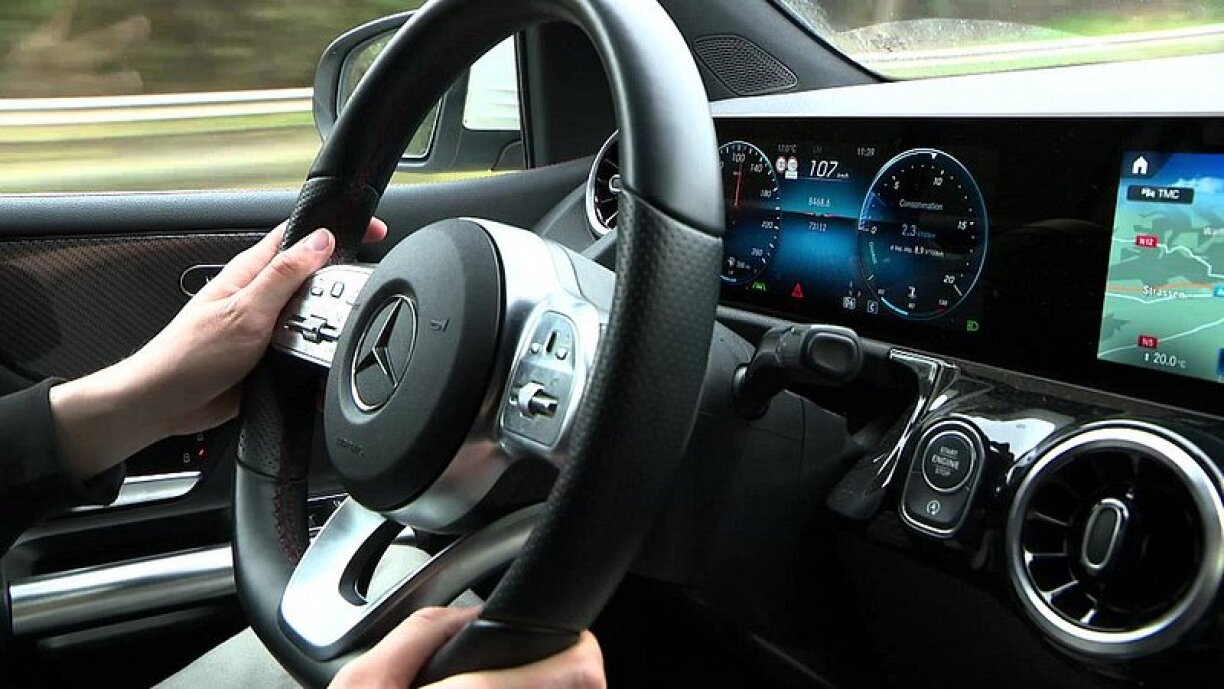
In Luxembourg, the minimum number of compulsory practical lessons to obtain a driving licence is 16, which is low compared to neighbouring countries. 24 driving lessons are required in the Netherlands and in Germany, 20 in France, and 30 in Belgium. This means that these countries have modernised and adapted the practical lessons to the pupils.
For learner drivers, the practical test is often not so easy to pass. Nervousness often contributes to failure, but that is not the only reason.
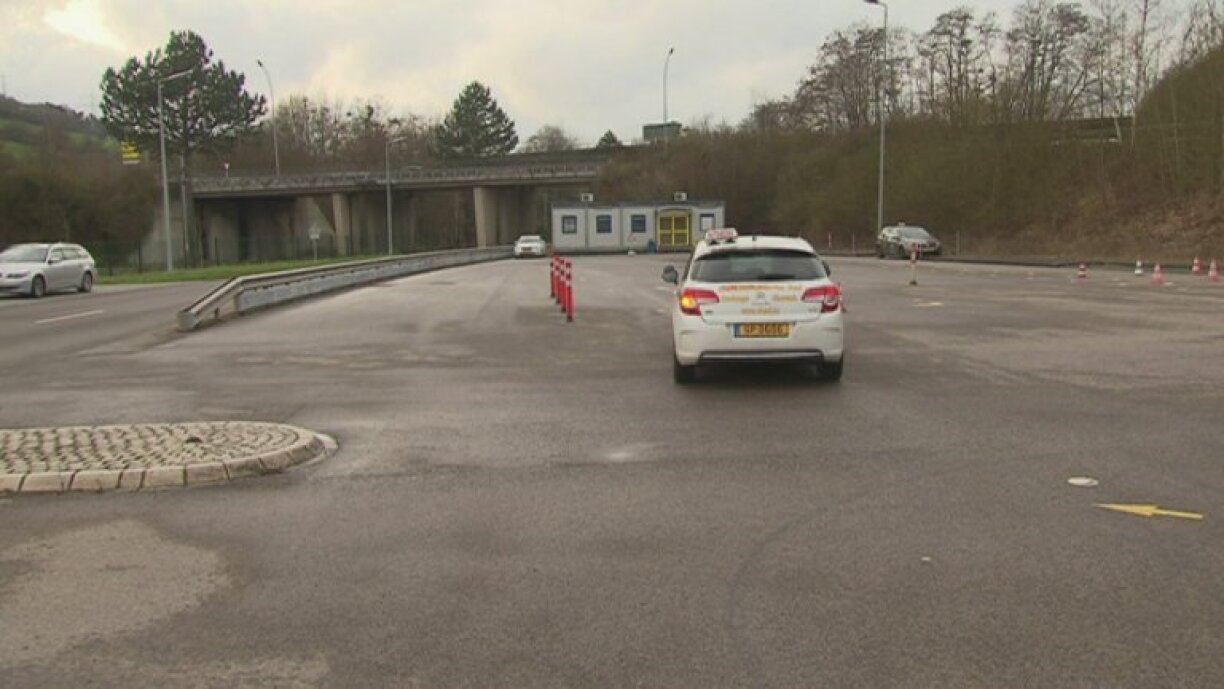
Driving instructor Tim Wagner explains:
"We are also noticing that more and more students are finding it difficult to pass the practical test at the first attempt. Basically, the minimum number of 16 hours of practical driving lessons is no longer sufficient. Because traffic is increasing and students are constantly faced with new situations. The motor skills are not the same as before either. When we were little, we rode a lot on bicycles, cars without pedals and go-karts, which is much less the case nowadays. This is noticeable later in the practical training for the driving licence, where you see that mastering the car is much more difficult for the student driver. And [it would] therefore also be necessary to add more time and hours of driving until the student has got the hang of it."
Wagner continued:
"With more driving hours, the student also has more time to prepare well for the driving test. Accompanied driving also helps, because you get more practical experience. Or you go for the automatic, where gear change and clutch disappear completely and you can concentrate more quickly on traffic."
The National Society of Automotive Traffic (SNCA) knows exactly how many practical tests were taken last year and how many people passed or failed.
SNCA spokesperson Manuel Ruggiu elaborated:
"In 2022, we had a total of 14,639 category B practical exams, which is the category of the car. There, the overall success rate is 51.4%. However, it has to be said that with accompanied driving, 62.9% of the students pass versus only 42.7% without accompanied driving. This says that accompanied driving is better for students, they are better prepared, they do better, and they also get their licence sooner than someone who has not done accompanied driving."
In 2021, the pass rate across 14,069 tests was 48.9%.





