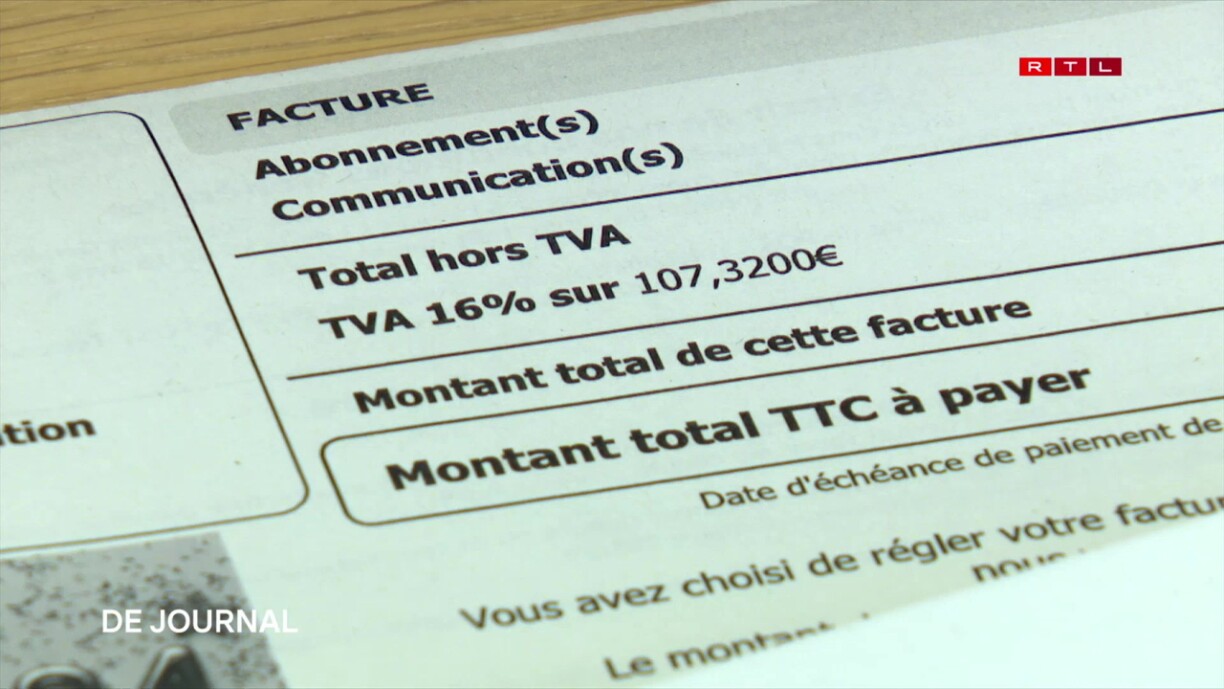
This reduction, effective until 1 January 2024, excluded the super reduced VAT rate of 3%, which remained applicable to essential items such as food, books, and children's clothing.
The primary objective of this tripartite measure was to mitigate inflation by 0.2%, thereby delaying the next wage indexation.
The National Institute of Statistics and Economic Studies (STATEC) reported that the plan showed signs of success, despite a mixed picture painted by the analysis of prices at the beginning of the year.
Tom Haas, spokesperson for STATEC, highlighted the diverse impact of the VAT reduction on prices: "We observed that some prices decreased in tandem with the VAT measures, while others increased. There were also instances where prices remained unchanged," he explained in a conversation with RTL.
The VAT reduction on energy prices, though mechanically applied, only reflected in approximately 40% of the goods and services where a decrease was anticipated.
Haas suggested various potential explanations, citing factors such as wage indexations, an increase in the minimum wage in January of the previous year, and pre-existing price hikes in the pipeline.
The cost of these measures amounted to €304 million, as reported by the Ministry of Finance, with a decrease in government tax revenue of €216 million in the previous year.
Due to the time lag between the application of the VAT reduction and the actual collection of VAT revenue, a cost of €88 million is expected to carry over into 2024.
On 1 January 2024, Luxembourg reinstated VAT to its standard level, which – as a logical consequence – is anticipated to contribute to a 0.3 percentage point increase in inflation for the current year, surpassing the impact of the reduction in the preceding year, as reported by STATEC.
Tom Haas sheds light on the dynamics behind this acceleration: "There is also the assumption that more businesses will adjust VAT upwards than downwards. That's why instead of 0.2% one year, it's 0.3% the next."
Due to this acceleration, STATEC estimates that the upcoming wage indexation, scheduled for the second half of the year, will occur a month earlier than initially projected.
According to Haas, while the reduction may seem relatively small in isolation, it was part of a broader package of measures that collectively had a significant impact on inflation and competitiveness. Without this comprehensive approach, it is estimated that companies would have faced an additional salary burden of €4.3 billion.
The temporary VAT reduction required efforts from businesses, with varying degrees of impact depending on their level of digitalisation, notes Tom Baumert, Director of the Luxembourg Confederation. Particularly, the retail sector faced significant challenges, given the multitude of labels involved.
However, collaborative efforts with the Ministry of Small and Medium-Sized Enterprises and the Ministry of Culture facilitated solutions to streamline the deduction process at the checkout.
As of January 2024, the standard VAT rate has been reinstated, leading to inquiries from both businesses and consumers regarding the applicable rates in various scenarios. Below are two examples of sales between businesses and private customers:
1. Deferred delivery of goods:
2. Delayed invoicing for services:
It is important to note that distinct regulations may govern transactions between companies and other businesses.
Full report by RTL Télé (in Luxembourgish)





